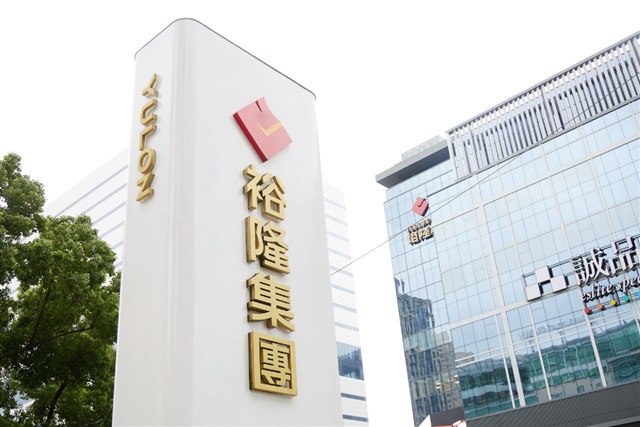
Yulon Motor has signaled a cautious but optimistic outlook after a challenging period, telling investors it expects improving conditions as policy direction becomes clearer and new business opportunities come into focus.
During an online investor briefing held on March 25, Yulon Motor President Kuo-Hsing Hsu described 2025 as a low point for the company’s operations. He pointed to geopolitical tensions and ongoing tariff uncertainty as key factors that weighed on performance and made planning more difficult across the auto industry. In the current environment, shifting trade rules and supply chain pressures can quickly ripple through manufacturing costs, export competitiveness, and consumer demand—making it harder for automakers and suppliers to maintain stable growth.
Still, the message to investors wasn’t purely defensive. The company believes the outlook can improve as policies become more predictable and as new growth drivers begin to contribute. While the auto market remains sensitive to external shocks, clearer regulatory direction and better visibility on tariff policy tend to support long-term investment decisions, production planning, and partnerships.
Yulon’s comments also highlight a broader theme playing out across manufacturing: companies are increasingly looking beyond traditional automotive cycles for momentum. Areas tied to artificial intelligence, advanced manufacturing, and energy-related business development are becoming more important to industrial strategy, especially when core markets are under pressure. For Yulon, the emphasis on moving forward with “clearer policies and new” opportunities suggests the company is positioning itself to capture upside as uncertainty eases and the next phase of demand emerges.
For investors and industry watchers tracking Yulon Motor’s 2025–2026 trajectory, the key takeaway is that the company is acknowledging near-term operational strain while preparing for a rebound built on greater policy clarity and expanding business focus.