A new blind image-quality test suggests many gamers still favor NVIDIA’s DLSS over AMD’s FSR when it comes to upscaling.
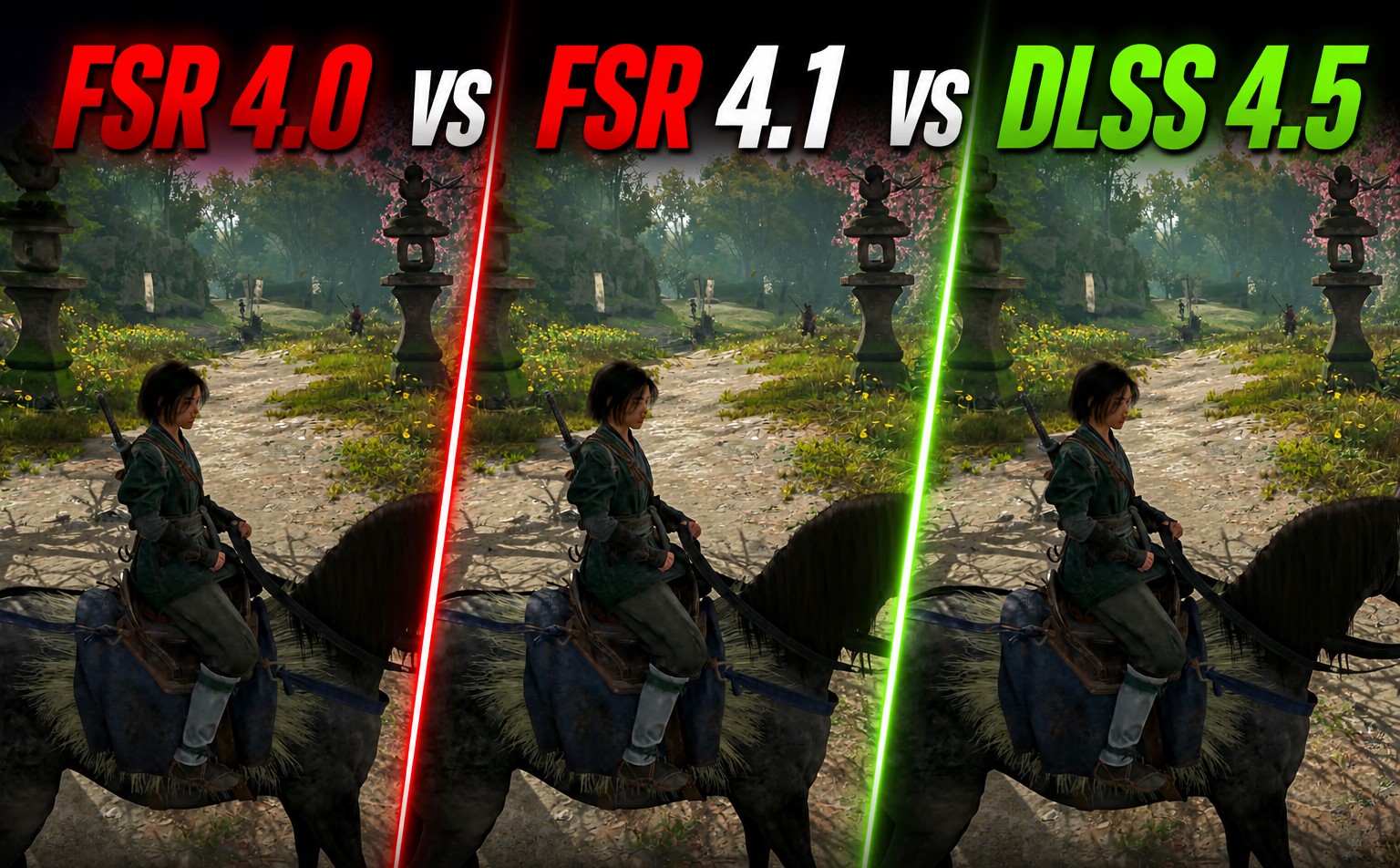
In a recent comparison run by Computer Base, players were shown gameplay clips with different upscaling solutions placed side by side and were asked to vote on which looked best. The test focused on three options: NVIDIA DLSS 4.5, AMD FSR 4.1, and the older FSR 4.0. Participants could also select a “No difference” choice if they didn’t see a meaningful visual gap.
The results were clear across most of the lineup. Out of seven games tested, DLSS 4.5 was voted the best in six. FSR 4.1 generally landed in second place, while FSR 4.0 consistently came last in every game included in the test. The seven titles used were Assassin’s Creed: Shadows, Anno 117: Pax Romana, Arc Raiders, Resident Evil Requiem, Call of Duty: Black Ops 7, Kingdom Come: Deliverance, and The Last of Us Part 1.
The one exception was The Last of Us Part 1, where FSR 4.1 came out on top over DLSS 4.5—and the margin there was described as notably large compared to other matchups.
That said, one of the most interesting takeaways is how often voters picked “No difference.” Even though the final tallies still leaned toward DLSS 4.5 in most games, a sizeable group of gamers didn’t find the differences obvious in real-world scenes, which suggests that for many players, both modern upscalers can deliver “good enough” image quality depending on the game, settings, and viewing conditions.
Overall, the voting reinforces the idea that DLSS 4.5’s latest model is impressing players with sharper detail, less noise, and improved motion clarity. At the same time, FSR 4.1 appears to be a meaningful step up from FSR 4.0, showing real progress even if it didn’t take the top spot in most of the blind comparisons.


