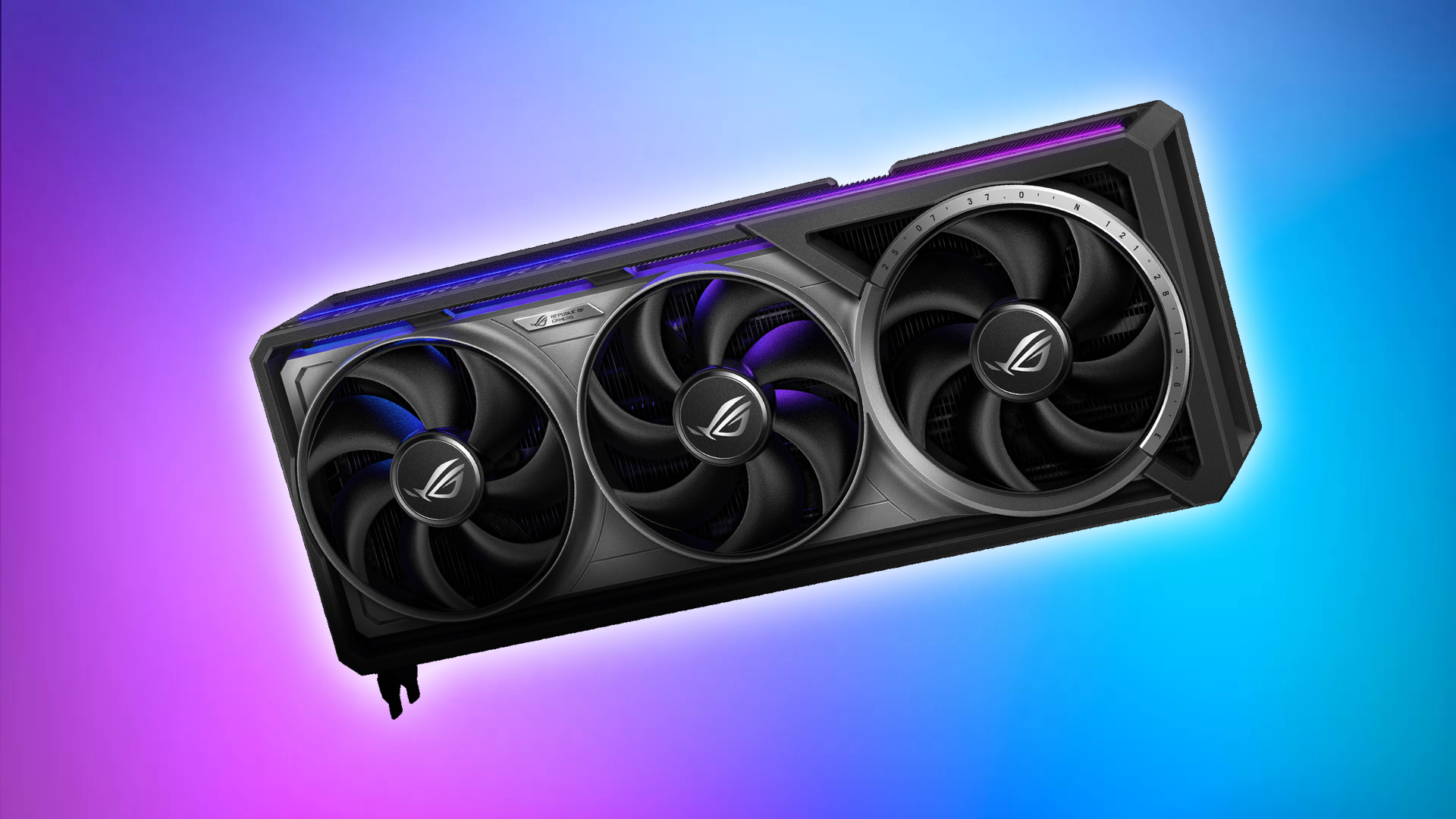
ASUS is reportedly rolling out another round of graphics card price increases, with most of the GeForce RTX 50 series lineup seeing higher costs in mainland China. The only clear exception in the current adjustment is the RTX 5060 Ti 8GB, which is said to remain at the same price. On the AMD side, ASUS’s RDNA 4-based Radeon RX 9000 series models are also reportedly staying unchanged for now.
According to a new report citing Channel Gate, the latest ASUS GPU price hikes range from about 50 yuan up to 500 yuan, depending on the model. These changes were reportedly put in place toward the end of February, and the same report suggests additional increases could follow in the coming weeks or months. The common reason being mentioned across the industry is rising memory-related costs, which many hardware vendors have used to justify repeated pricing revisions this year.
The biggest jump is said to hit the GeForce RTX 5090 D V2, which reportedly increased by 500 yuan (around $72). Other RTX 50 series cards are seeing smaller—but still noticeable—bumps. The RTX 5080 is reported to be up by roughly 100 to 200 yuan (about $15 to $30) for entry-level models, while other variants may be unchanged. The RTX 5070 Ti appears to be among the harder-hit models too, with most versions reportedly increasing by 200 to 300 yuan (around $30 to $45).
Midrange options aren’t fully spared either. The RTX 5070 and RTX 5060 Ti 16GB are said to be about 100 yuan (roughly $15) more expensive in many cases. The standard RTX 5060 lineup is reported to be up by about 50 yuan (around $7). Meanwhile, several older and budget-focused GeForce models—including the 5050, 3050, and low-end 1030/730/710 series—are also said to be seeing broad increases in the 40 to 55 yuan range.
One standout detail is the RTX 5060 Ti 8GB, which reportedly remains unchanged despite most of the surrounding stack moving upward. It’s also noted that the 8GB version has been appearing with better availability than the 16GB edition in recent discussions, which may be influencing how pricing is being handled at the moment.
For AMD buyers, the report indicates ASUS has not applied similar increases to its RDNA 4 lineup, meaning ASUS-branded Radeon RX 9000 series cards are currently unaffected in this particular pricing move.
This isn’t the first time ASUS has adjusted pricing recently. Earlier this year, the company was also linked to price revisions on certain products tied to increases in DRAM-related costs. While ASUS graphics cards have often carried a premium relative to some competing options, the broader issue is that ongoing memory market volatility has been putting pressure on many add-in-board partners and GPU brands—not just one manufacturer.
For shoppers tracking GPU prices, the key takeaway is simple: if you’re planning to buy an ASUS GeForce RTX 50 series card, prices may be trending upward (at least in the China market right now), with the RTX 5090 D V2 and RTX 5070 Ti seeing some of the largest reported jumps, while the RTX 5060 Ti 8GB and ASUS’s RX 9000 series remain the notable exceptions—at least for now.