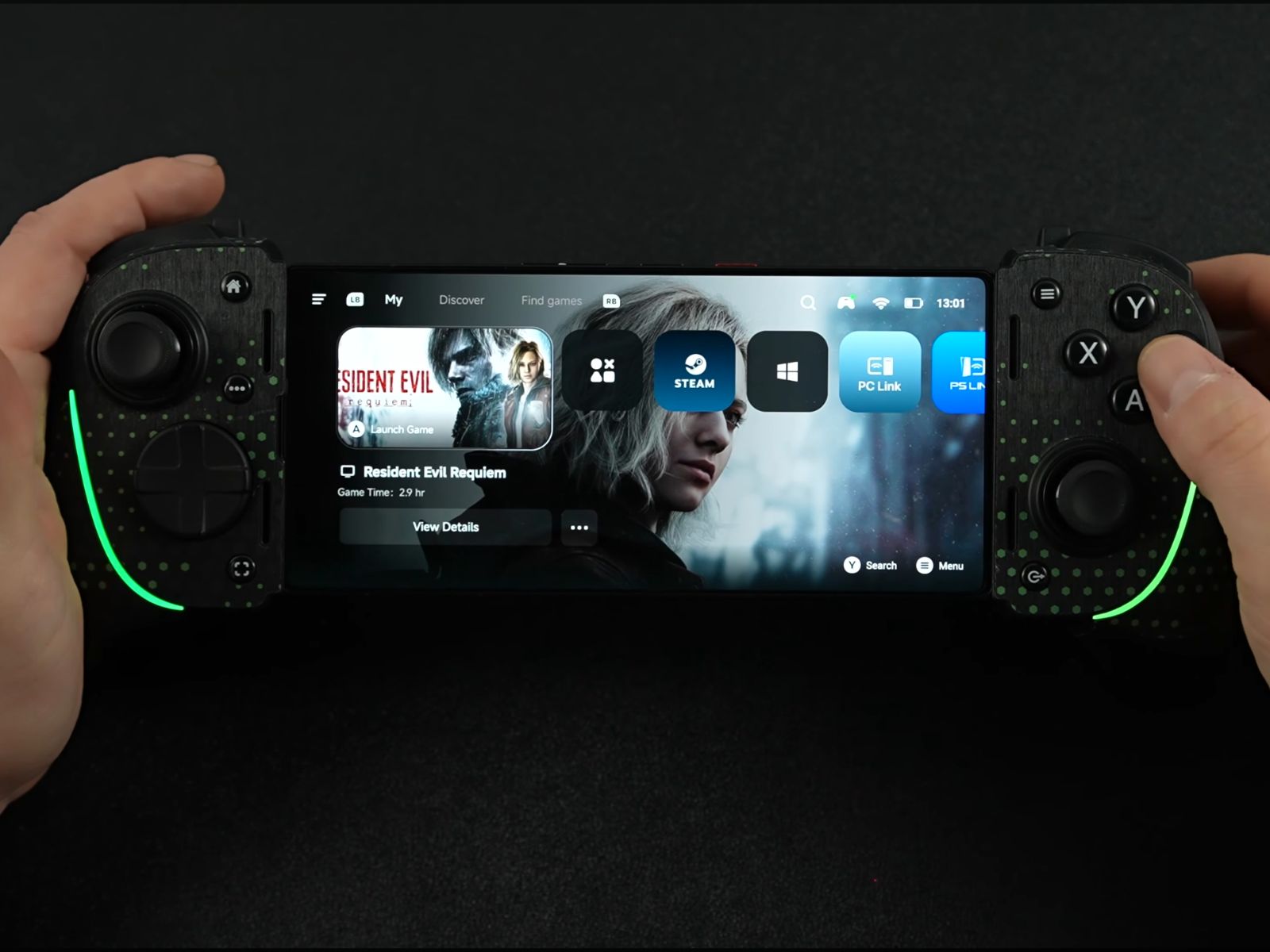
A new performance test is turning heads by showing Resident Evil Requiem running on an Android gaming phone at up to 100 FPS through PC emulation. It’s an impressive snapshot of how far Snapdragon-powered devices have come, even if the experience still comes with the usual emulation trade-offs like heat, battery drain, and performance dips over time.
To squeeze out the best results, the tester configured the phone in its “Rise” performance mode, which boosts CPU and GPU clock speeds for higher frame rates. Even with serious cooling hardware built in—including an internal fan and a liquid cooling system—the phone still runs into thermal throttling during sustained play. That’s a key reminder that mobile performance isn’t just about peak power. Keeping those speeds steady is the real challenge once temperatures rise.
Another major takeaway is just how demanding PC emulation remains on smartphones. Pushing a modern PC title through x86-to-ARM translation can put a massive load on the chipset, and the Snapdragon processor in this setup can draw well over 20 watts while trying to hold performance. For a phone, that’s a lot of power, and it helps explain why heat management becomes a limiting factor even on gaming-focused models.
RAM capacity also matters more than many people expect. The tested Red Magic phone includes 16 GB of memory, and the creator suggests that this amount is important for running newer PC games via emulation. Devices with 8 GB of RAM may struggle to keep games stable, while 12 GB could be workable but still potentially restrictive depending on the title and how heavy its memory usage is.
While this kind of Android emulation setup isn’t about to replace dedicated handheld gaming PCs like the Steam Deck or ROG Ally, it does highlight how quickly ARM gaming performance is improving. The tester also points out that the next wave of ARM-based gaming hardware—especially if major platform holders push in that direction—could speed up progress on better translation layers and more efficient x86-to-ARM emulation. If that happens, today’s impressive proof-of-concept could become a much more practical way to play PC games on mobile class hardware in the future.
The overall message is clear: Android gaming phones are already capable of surprisingly high frame rates in demanding PC titles through emulation, but heat, power draw, and memory requirements still determine how “playable” the experience is over longer sessions.