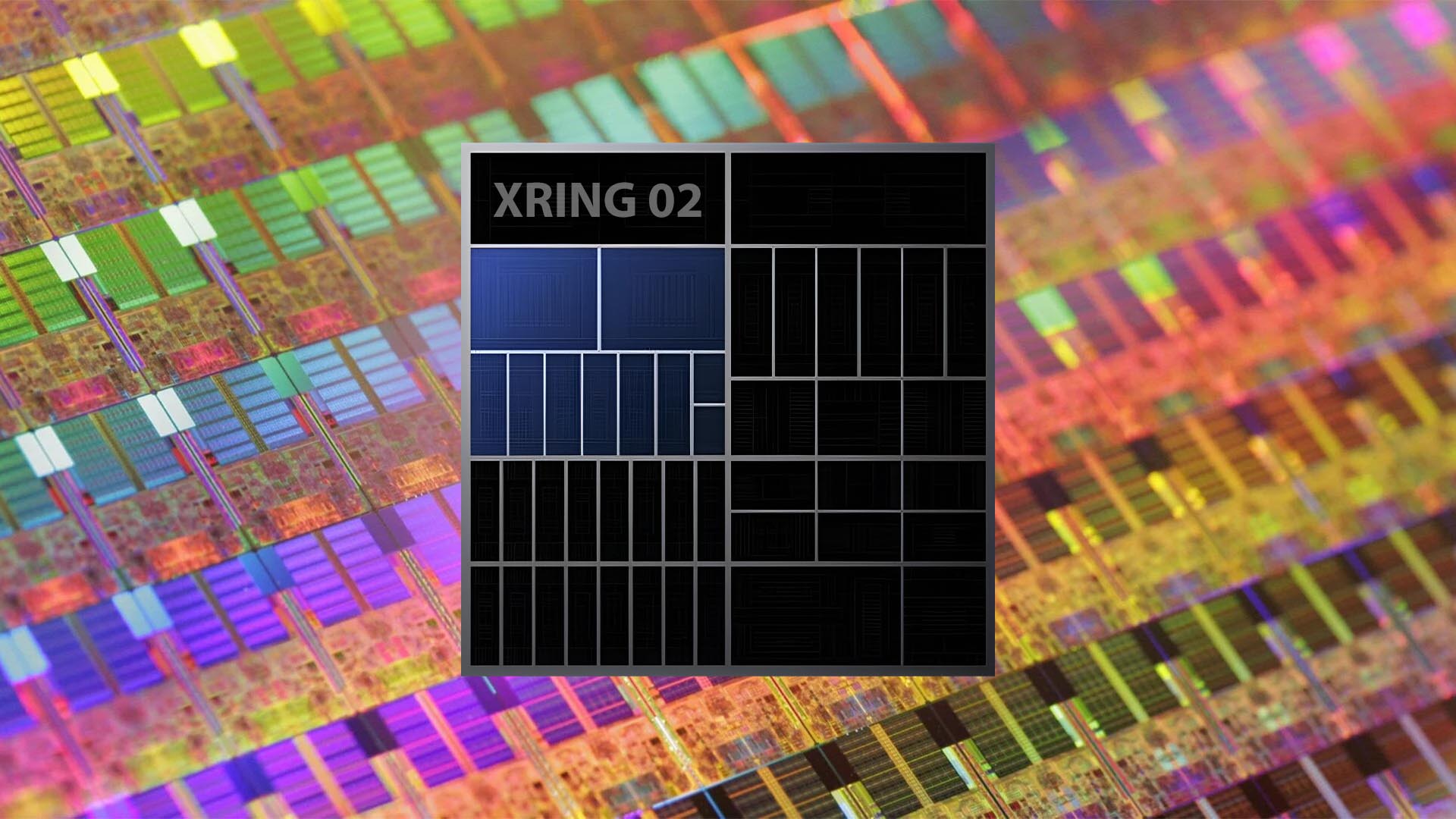
Xiaomi’s next in-house chipset may not chase the 2nm hype. Despite the strong debut of the XRING 01 on a 3nm node, a new rumor suggests the upcoming XRING 02 will continue on TSMC’s 3nm process rather than jump to 2nm—even as rivals reportedly shift gears when mass 2nm production ramps up.
The XRING 02 name was trademarked earlier this year, signaling Xiaomi’s intent to follow up on its first homegrown silicon. Reports suggest the chip is slated to appear in the Xiaomi 16S Pro, but instead of the cutting-edge 2nm node, it’s said to be built on TSMC’s third-generation 3nm process, commonly referred to as N3P. The XRING 01 used the second-generation N3E, so an N3P move would still deliver iterative improvements in efficiency and performance without the risks and costs of a full node jump.
Why would Xiaomi avoid 2nm if competitors target it around late 2026? Cost and complexity likely top the list. Industry estimates peg TSMC’s 2nm wafers at about $30,000 each, and that figure excludes the multi-million-dollar tape-out phase required to validate a design before mass production. On top of that, ongoing export controls have constrained access to advanced EDA tools for Chinese companies, making 2nm development even more challenging.
There’s also a broader strategy at play. Xiaomi is reportedly evaluating XRING 02 not just for smartphones and tablets, but also for cars and other categories. Building a single platform flexible enough to power such a wide range of products demands extensive backend work, adds to development costs, and can stretch timelines—another reason to favor a mature, well-understood 3nm process over a riskier transition to 2nm right now.
Sticking with 3nm could make the XRING 02 look a generation behind on paper, but it may offer Xiaomi a practical path to better yields, faster time to market, and tighter control over costs while continuing to reduce reliance on third-party chip vendors. Plans can evolve, and if Xiaomi’s calculus changes as 2nm matures, the roadmap could pivot accordingly.