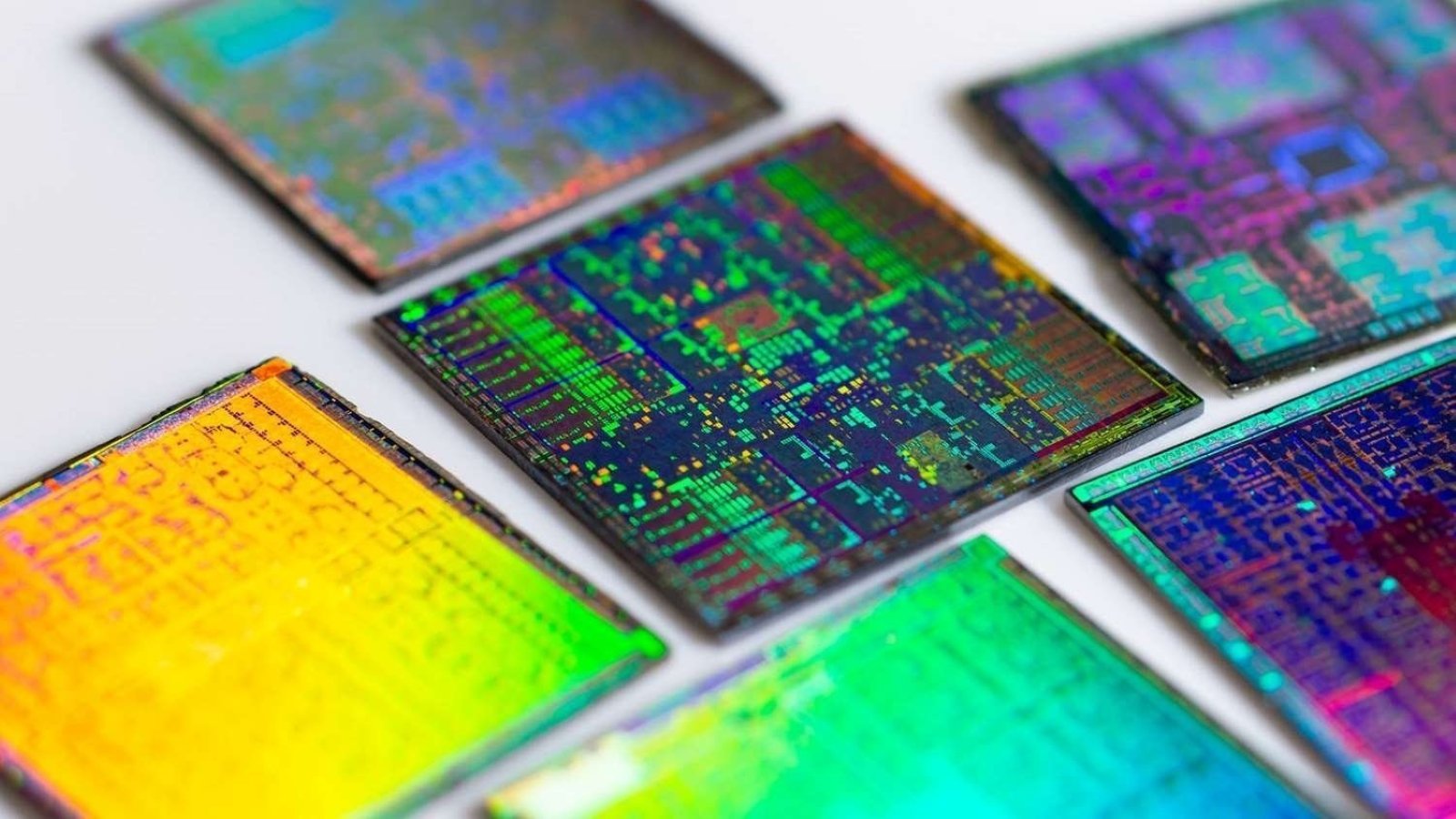
A wave of next-generation chips built on TSMC’s cutting-edge 2nm process is expected to arrive later this year, and early signs suggest this could become one of the most in-demand manufacturing nodes the semiconductor industry has ever seen. MediaTek has already confirmed the tape-out of its first 2nm system-on-chip planned for 2025, and it’s far from alone. Multiple major customers are reportedly lining up to secure capacity, as fresh industry chatter points to a surge of activity around TSMC’s N2 technology.
One of the most attention-grabbing details is how quickly 2nm is being adopted compared to the previous generation. According to the shared notes, TSMC’s 2nm node has already logged about 1.5 times more tape-outs than its 3nm technology at a comparable point. Tape-outs are a strong signal of real product development, meaning companies aren’t just experimenting with 2nm—they’re actively preparing commercial silicon that will ship in volume.
That momentum is also tied directly to the ongoing AI boom. The same discussion suggests TSMC is on track to maintain a commanding position in AI-focused silicon, potentially holding over 95 percent of the AI accelerator foundry market during the 2nm era. If accurate, it underscores how heavily AI chip designers continue to rely on TSMC’s manufacturing lead for performance, efficiency, and scale.
The demand projections are equally striking. Monthly 2nm wafer output is estimated to reach roughly 140,000 wafers by the end of 2026, a massive target that reflects both customer appetite and TSMC’s confidence in ramping capacity. Even more notably, 2nm revenue is expected to surpass the combined revenue of TSMC’s 3nm and 5nm nodes by the third quarter of 2026—an indicator of rapid adoption across premium smartphones, PCs, and AI hardware.
Apple is expected to be at the front of the line again. Reports claim Apple secured more than half of TSMC’s initial 2nm capacity, with much of it likely earmarked for future iPhone and Mac chips. The A20 and A20 Pro are widely expected to power the iPhone 18 lineup, while a future M6 chip is rumored to make its way into an OLED MacBook Pro.
Interestingly, the 2nm rush isn’t limited to the usual fabless giants. Intel is also said to be exploring greater use of TSMC’s N2 process for multiple products, despite simultaneously developing its own advanced manufacturing technologies. That’s a notable shift in a market where leading-edge capacity and time-to-market can matter as much as architectural innovation.
Meanwhile, competition in flagship mobile chips is heating up. Qualcomm and MediaTek are rumored to keep pace with Apple, with a prediction that all three companies could announce their 2nm SoCs in the same month. That raises an obvious question: if Apple has locked up more than half of early capacity, how do rivals ship meaningful volume on 2nm?
One possible answer is TSMC’s enhanced variant called N2P. Although it’s described as a modest improvement over the base N2 node, it could give Android-focused chipmakers enough manufacturing headroom to hit higher CPU frequencies and build sufficient supply for device launches, even while Apple consumes a large slice of the earliest N2 wafers.
There’s also a separate angle involving Apple’s long-term strategy. A note attributed to Morgan Stanley suggests Apple has considered using Intel Foundry Services for some M-series chips in the future, potentially leveraging Intel’s upcoming 18A process. If that happens, it may be targeted at lower-end, more cost-sensitive Mac models rather than the highest-performance parts. Still, TSMC’s long track record for high-volume reliability and consistent leading-edge execution makes it tough for any competitor to displace it quickly—especially while demand for AI accelerators and premium consumer chips continues to climb.
With 2nm tape-outs accelerating, AI demand surging, and multiple top-tier chip designers fighting for capacity, TSMC’s N2 era is shaping up to be a major turning point for smartphones, PCs, and the broader AI hardware ecosystem.