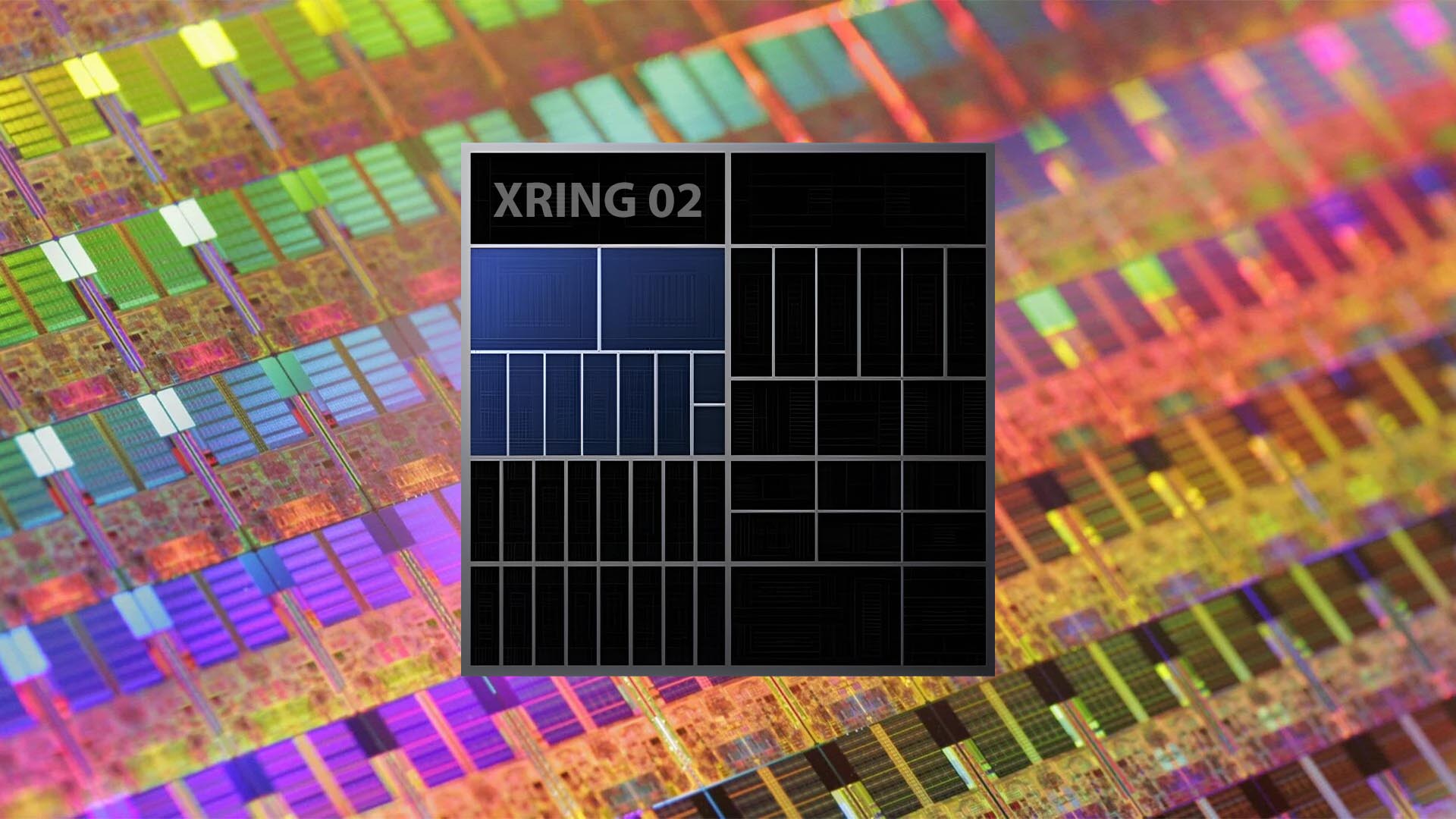
Xiaomi seems to have its sights set on building a product ecosystem powered by custom hardware, akin to Apple’s strategy. The company’s recent launch of the XRING 01, utilizing TSMC’s cutting-edge second-generation 3nm process, turned heads across the tech industry. But Xiaomi isn’t stopping there. Plans are already underway for the XRING 02, which promises to elevate their ambitions even further.
Rumors suggest that the upcoming XRING 02 won’t just power smartphones, tablets, and smartwatches. Xiaomi is reportedly venturing into integrating this technology into cars and other varied categories. This move could potentially allow Xiaomi to triumph in areas where even Apple has yet to break ground.
The information, coming from Weibo’s Digital Chat Station, aligns with previous leaks indicating that Xiaomi has trademarked the successor to the XRING 01. Custom chipset development offers Xiaomi enhanced control over their hardware, enabling seamless interaction across their devices. Imagine a smartphone, tablet, or smartwatch equipped with the XRING 02 effortlessly communicating with a Xiaomi car. Users could unlock doors or control the vehicle remotely with just a few taps.
While there is speculation that the XRING 02 used in future Xiaomi vehicles might be specially optimized versions, nothing is definitive yet. To hold its own against heavyweights like Apple, Qualcomm, and MediaTek, Xiaomi’s XRING 02 must utilize TSMC’s latest manufacturing techniques. However, with the U.S. restrictions on importing specialized EDA tools, Xiaomi might face challenges in leveraging the more advanced 2nm process.
As a result, the XRING 02 might be limited to TSMC’s 3nm N3E process. While this could make it less competitive compared to SoCs developed on the 2nm technology, Xiaomi’s ecosystem vision remains intriguing. It’s important to remain cautious with these rumors, as it’s still early days for Xiaomi’s broader chipset-powered ecosystem ambitions.