Xiaomi XRING O3 leak reveals big efficiency gains, wider device support, and a likely August launch
Xiaomi is preparing the next major step in its in-house chip strategy, and fresh details suggest the company’s upcoming flagship processor will be called the XRING O3.
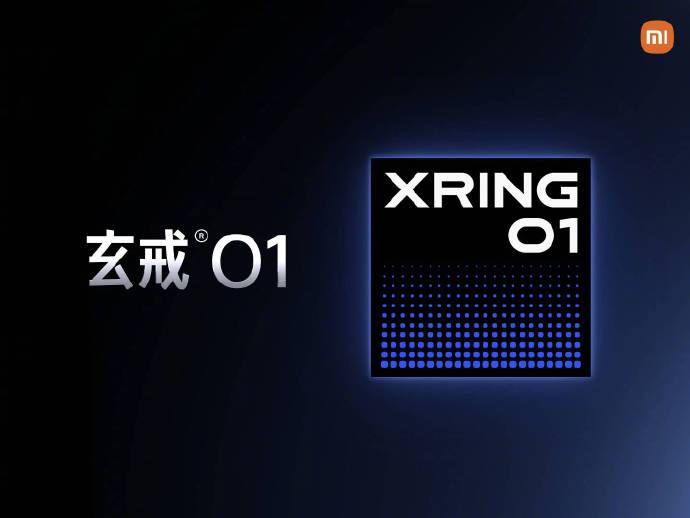
The new chipset is expected to succeed the XRING O1, Xiaomi’s first truly premium self-developed SoC. The XRING O1 made its debut last year and powered high-end devices such as the Xiaomi Pad 7 Ultra and Xiaomi 15S Pro, proving that Xiaomi is serious about reducing its reliance on third-party mobile processors.
According to the latest information, the Xiaomi XRING O3 will be positioned as a high-end chipset and is likely to compete with Qualcomm’s Snapdragon 8 Elite Gen 5. However, timing could make things more complicated. Xiaomi may launch the XRING O3 shortly before Qualcomm introduces its next-generation flagship processor, expected to be called the Snapdragon 8 Elite Gen 6 Pro. That means Xiaomi’s new chip could quickly find itself compared with even newer hardware from Qualcomm.
One key detail is the manufacturing process. The XRING O3 is expected to be built on TSMC’s 3nm process, the same node used for the Snapdragon 8 Elite Gen 5. While that should still deliver strong performance and efficiency, Qualcomm’s upcoming Snapdragon 8 Elite Gen 6 Pro is rumored to move to TSMC’s newer 2nm N2 process. MediaTek’s next flagship chip is also expected to use the same advanced 2nm technology.
Because of that, Xiaomi’s XRING O3 may technically be one generation behind its newest rivals in terms of fabrication technology. Still, that does not mean the chipset will be underwhelming. Reports suggest Xiaomi has focused heavily on improving efficiency, with the XRING O3 expected to deliver noticeable gains over the already capable XRING O1.
Performance is also said to improve across the board, especially in the mid-to-low frequency range. That could be important for everyday use, where smartphones and tablets often rely on sustained efficiency rather than peak benchmark numbers. Better performance at lower frequencies could help Xiaomi devices feel faster while also improving battery life and thermal control.
Another major change could be availability. The XRING O1 had limited use across Xiaomi’s product lineup, but the XRING O3 is expected to appear in more devices. Xiaomi may use the chip in a wider range of mobile products, and there are also suggestions that the company could integrate the processor into its future electric vehicles.
That would fit Xiaomi’s broader ecosystem strategy. The company is no longer focused only on smartphones, tablets, and smart home devices. With its growing presence in the EV market, an in-house chipset could help Xiaomi create tighter integration between its cars, phones, tablets, and software services.
For now, the XRING O3 is not expected to appear in Xiaomi devices sold globally. Like the XRING O1, it will likely remain limited to select markets at launch. However, future generations of Xiaomi’s custom chips may eventually make their way into international models as the company gains more confidence in its silicon roadmap.
The Xiaomi XRING O3 is currently expected to launch around August. If the leaks are accurate, it could become one of Xiaomi’s most important hardware releases of the year, showing how far the company has come in developing its own flagship-class mobile processors.