Xiaomi’s first XRING 01 chipset sent a clear message to the smartphone silicon world: the company is serious about building its own high-end processors. Built on TSMC’s 3nm N3E process and designed with top-tier phones in mind, XRING 01 looked like the start of a bigger push into territory long dominated by Qualcomm, MediaTek, and Apple.
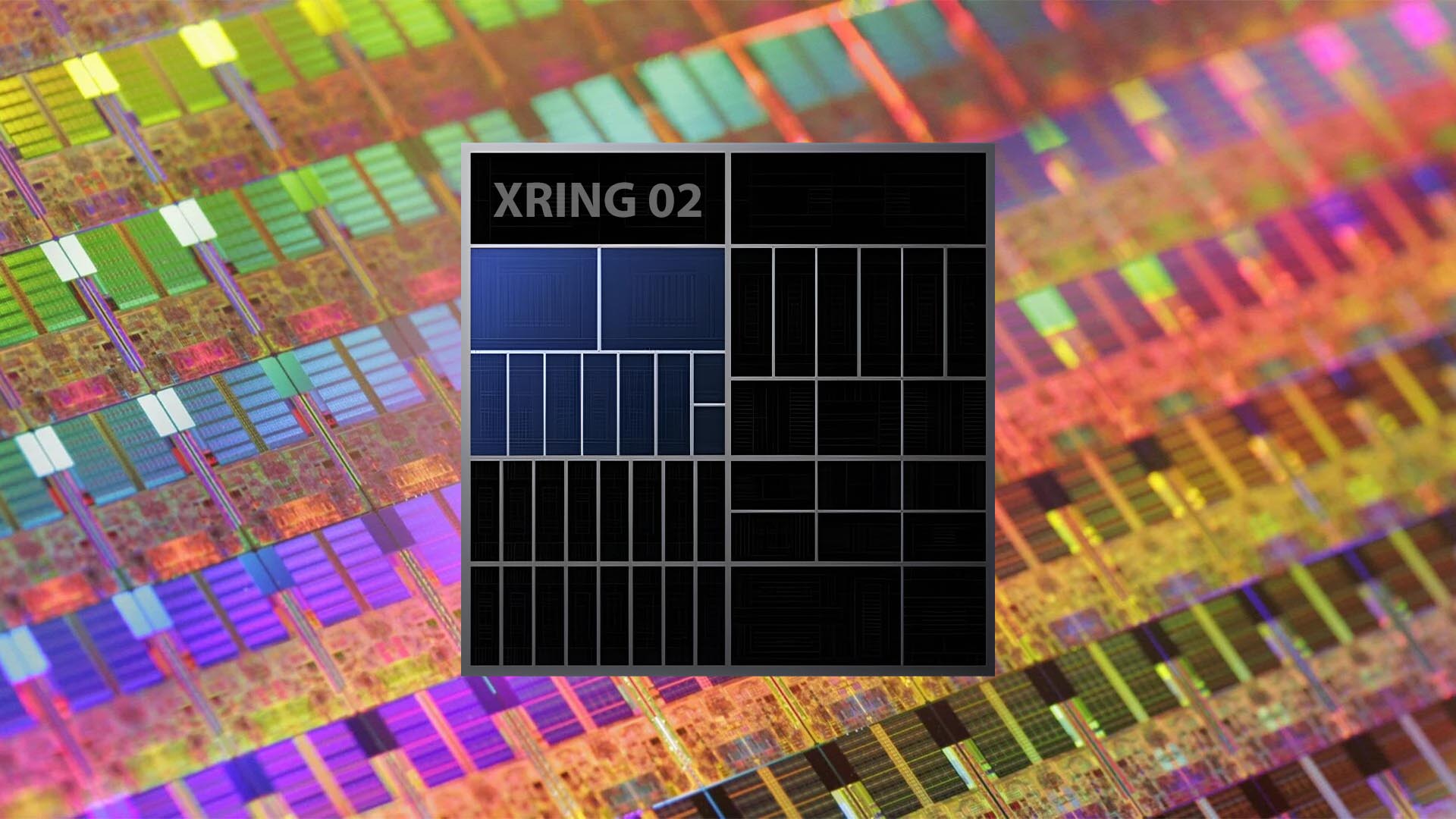
Now, new chatter suggests Xiaomi may be taking a more cautious approach with its next chip, the XRING 02. Instead of jumping to the latest 2nm manufacturing technology that rival chipmakers are expected to adopt later this year, XRING 02 is rumored to remain on TSMC’s 3nm N3P node. If accurate, that choice could signal a shift in strategy: XRING 02 may not be headed for Xiaomi’s most premium flagship phones.
A major reason comes down to money, and not just in chips. Smartphone component pricing has been moving in the wrong direction for manufacturers. Xiaomi’s president has already pointed to rising storage costs as a factor behind a price increase for the Redmi K90. While Xiaomi has reportedly secured enough DRAM supply through 2026, the broader pricing pressure hasn’t eased. Industry estimates indicate mobile DRAM prices have surged by more than 70 percent, while flash memory pricing has climbed by more than 100 percent. That combination can push the overall smartphone bill of materials up by more than 25 percent, making it tougher to keep retail prices in check.
Against that backdrop, choosing a less aggressive manufacturing node for XRING 02 starts to make practical sense. Cutting-edge nodes like 2nm typically come with higher wafer costs and tighter supply dynamics, especially early in their lifecycle. Xiaomi isn’t only trying to win a spec war in chipset performance—it also has to protect margins and maintain competitive pricing across its phone lineup. If the company can reduce silicon costs by sticking with 3nm N3P, it can redirect spending to other areas such as cameras, displays, batteries, or simply keeping final device prices from climbing even higher.
There’s also the performance and positioning angle. If competitors roll out 2nm-based flagship processors, a 3nm XRING 02 could land a generation behind on process technology. That doesn’t automatically make it a weak chip, but it could make it harder to go head-to-head with the newest Snapdragon and Dimensity flagship parts at the very top of the market. The more likely outcome is that XRING 02 ends up powering “near-flagship” or upper-midrange premium devices—still fast, still efficient, but not positioned as Xiaomi’s ultimate answer to the highest-end silicon available globally.
That said, there may be a bigger plan at work. One tip suggests XRING 02 isn’t just being considered for smartphones and tablets, but also for automotive applications. If Xiaomi is evaluating the chip for cars too, it hints at a longer-term ecosystem play—one where Xiaomi-designed processors could show up across multiple categories of connected devices. In that scenario, being on the absolute newest manufacturing node might not be the top priority. Reliability, cost control, supply stability, and platform consistency can matter just as much, especially when you’re building hardware meant to exist across phones, tablets, and vehicles.
If these reports hold true, XRING 02 could represent a strategic compromise: less about chasing the bleeding edge and more about scaling Xiaomi’s in-house silicon ambitions in a way that fits today’s rising component costs and the company’s broader product ecosystem goals.