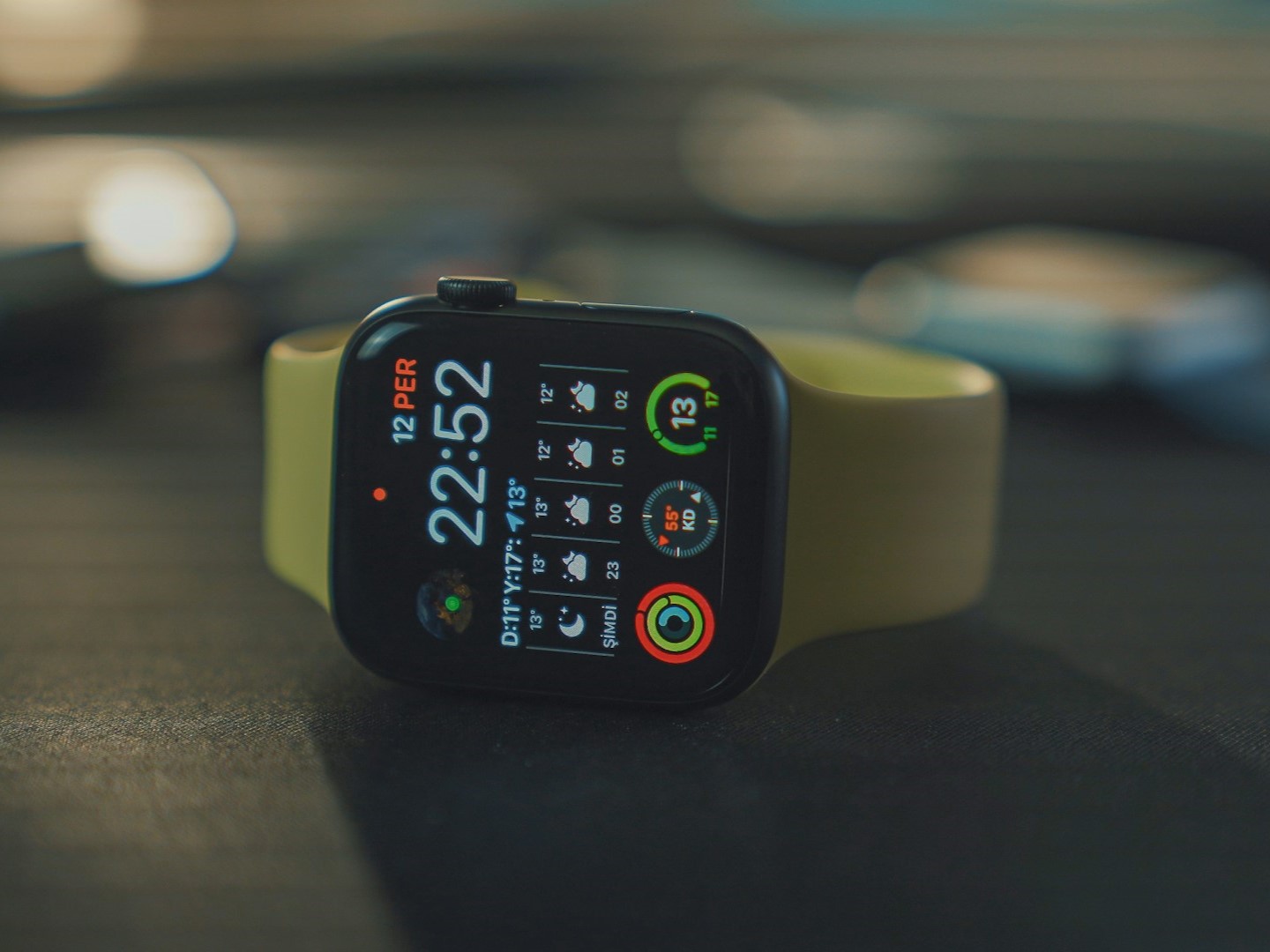
Your body could soon power your gadgets. Scientists at Peking University have unveiled a first-of-its-kind thermoelectric rubber—an elastic material that efficiently turns body heat into electricity. The advance, published in Nature, points to a future of self-charging wearables such as smartwatches, fitness bands, and smart rings, along with medical sensors that never need to be plugged in.
Most body-heat harvesters until now have used materials that were flexible but not truly stretchy, limiting comfort and durability in real-world use. This new rubber changes that balance by combining high performance with genuine elasticity, so it can bend, twist, and stretch with your skin while still generating power from the temperature difference between your body and the air.
The team achieved this by creating a hybrid polymer: semiconducting polymers are blended with elastic rubber to form semiconducting nanofibrils wrapped inside an elastomer. That counterintuitive structure boosts electrical conductivity while reducing thermal conductivity—exactly the mix you want for an efficient thermoelectric generator. In testing, the material returned to 90% of its original shape after being stretched to 150% and could stretch to over 850% of its size. The researchers plan to refine its properties further.
Why this matters for wearables is simple: elastic thermoelectric materials could unlock soft, comfortable devices that quietly generate energy as you move through your day. Think smartwatches and smart rings that top up their batteries from your skin, patches that power health monitors without wires, and e-textiles or soft robotics that run on the body’s own heat. Fewer charges, smaller batteries, and more seamless designs would be within reach.
The work is still in the research phase, but it’s a notable milestone in energy harvesting and stretchable electronics. If the material scales well and proves stable on skin over time, it could help usher in a new generation of self-powered wearables and medical devices.