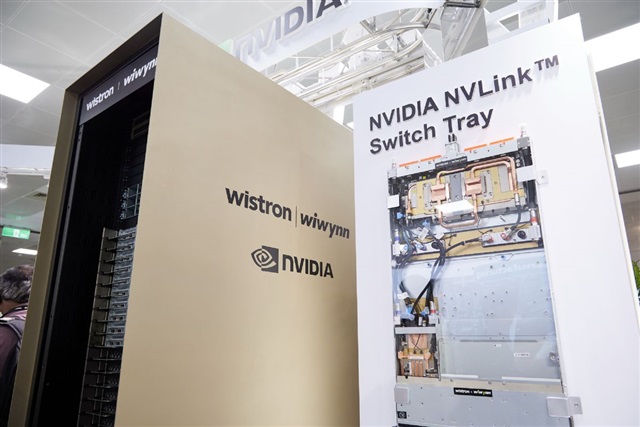
Wistron Group closed 2025 with its strongest performance yet, posting record revenue and earnings per share as demand for AI servers continued to surge. The company benefited from a wave of enterprise and cloud investment in AI computing infrastructure, helping push shipments higher and keep factory lines busy throughout the year.
But the headline growth came with a trade-off. Even as sales climbed, Wistron’s gross margin slipped. The reason is tied to the changing mix of what the company is shipping: more AI server racks and higher-value configurations. These systems carry higher unit prices, but they also come with higher material and component costs, which can compress profitability when volumes ramp quickly. In other words, Wistron sold more—and sold bigger-ticket hardware—yet faced tighter margins because the cost base rose alongside the growth.
This creates a clear storyline for 2026: Wistron is enjoying strong AI server momentum, but it’s also feeling the pressure that comes with scaling up complex, cost-intensive products. As AI server volume increases, companies across the supply chain often revisit how they price, package, and sell these systems to protect margins while keeping demand strong. For Wistron, that means investors and industry watchers will be looking closely at how it manages product mix, procurement costs, and its sales approach as AI infrastructure spending continues to expand.
Wistron’s 2025 results highlight a key reality in the AI hardware boom: record demand can drive record revenue, but maintaining healthy margins depends on how efficiently a manufacturer can handle rising materials costs and the shift toward rack-level AI server shipments.