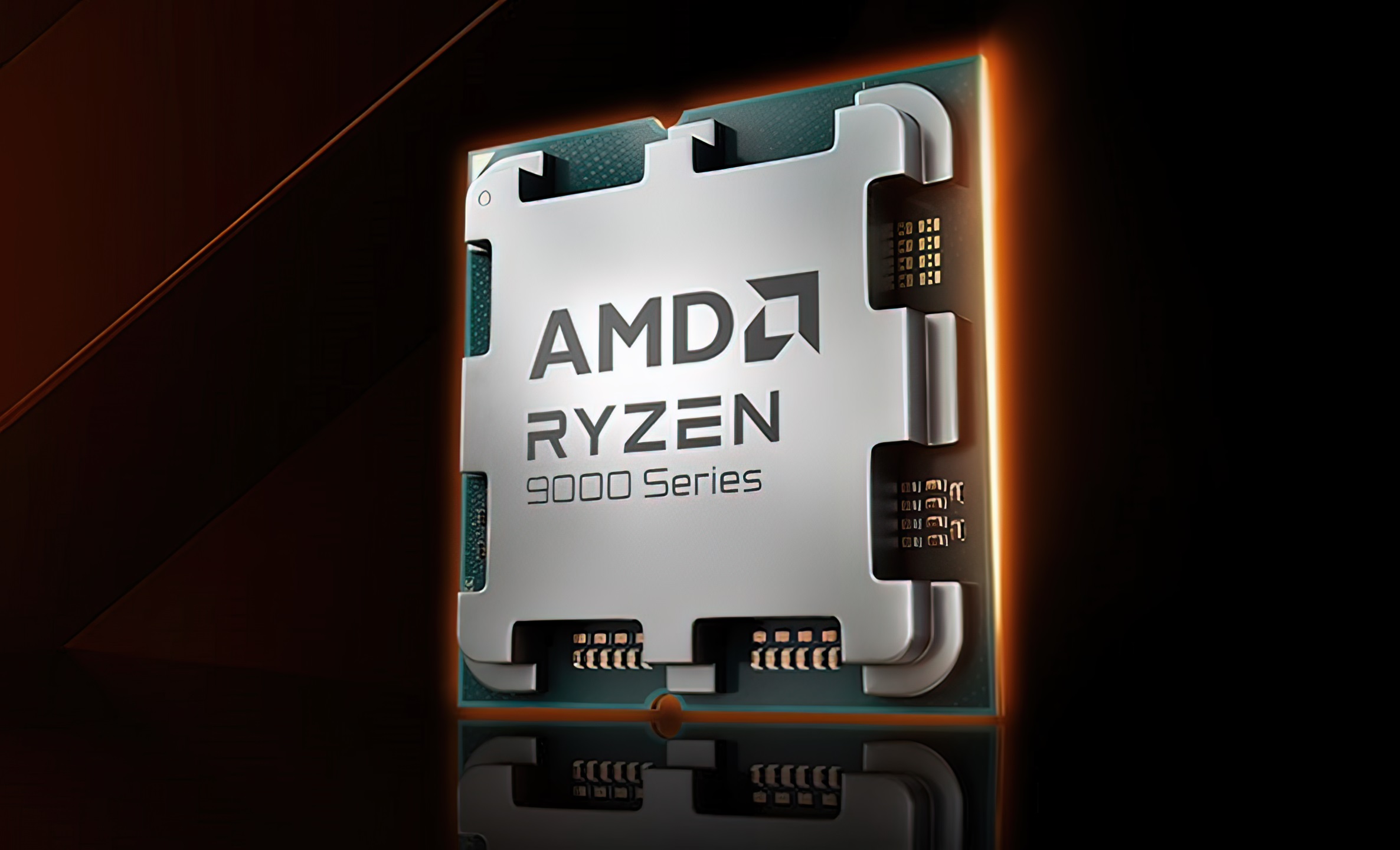
AMD closed out Q4 2025 with its strongest CPU quarter yet, posting record-high revenue and impressive unit gains across both Ryzen and EPYC, according to the latest Mercury Research figures. The takeaway is simple: AMD’s x86 CPU market share is still climbing, and it’s doing so in the places that matter most—desktop PCs, notebooks, and especially servers.
Desktop: Ryzen hits its highest revenue share since launch
AMD’s biggest headline win in Q4 2025 came from desktop CPUs. Desktop revenue share jumped by 14.6 points year over year and rose another 1.6 points compared with the prior quarter. By the end of the quarter, AMD held a 36.4% desktop unit share and a 42.6% desktop revenue share—its best desktop revenue position since Ryzen first arrived.
Much of that momentum continues to be driven by Ryzen’s strength in both prebuilt systems and the DIY PC market. AMD’s Ryzen X3D lineup remains a major attraction for gamers and performance-focused buyers, with chips such as the 7800X3D, 9800X3D, and the newer 9850X3D frequently positioned as top-tier gaming options. AMD is also benefiting from continued demand for older AM4 processors, helped in part by higher memory prices that can push budget-conscious buyers toward cost-effective upgrade paths.
Mobile: solid notebook growth as Ryzen AI expands
AMD also made meaningful progress in mobile CPUs. Notebook revenue share increased by 3.3 points year over year and matched that with a 3.3-point quarter-over-quarter gain. AMD now sits at a 26.0% unit share and a 24.9% revenue share in the mobile segment.
A key reason AMD is gaining ground in laptops is the breadth of its Ryzen lineup, spanning entry-level refreshes, mainstream parts, and higher-end designs like the Ryzen AI MAX series. As more systems ship with Ryzen AI 400 and Ryzen AI MAX chips, AMD’s mobile share has room to grow further—especially as buyers increasingly prioritize on-device AI capabilities and next-generation efficiency in thin-and-light laptops.
Server: EPYC reaches record revenue share and nears 30% unit share
On the server side, AMD’s EPYC business continues to push into territory that would have seemed unreachable just a few years ago. In Q4 2025, server revenue share climbed by 4.9 points year over year and rose 1.8 points from the previous quarter, reaching a record 41.3%. Server unit share also increased to 28.8%, bringing AMD within striking distance of the 30% milestone.
Current volume is largely carried by AMD’s Genoa and Turin server CPUs, while earlier EPYC generations continue to ship in large quantities. AMD is also preparing its next major step with Venice CPUs based on the Zen 6 architecture, expected later this year, and positioned to pair with next-gen Instinct MI450-series accelerators in Helios rack-scale platforms—an important signal that AMD is aligning CPUs and accelerators for modern AI and high-performance data center deployments.
The bigger picture: AMD’s total CPU share keeps trending upward
When you zoom out, AMD’s overall progress is clear:
In client CPUs (Ryzen across desktop and notebook), AMD reached 29.2% unit share and 31.2% revenue share in Q4 2025, up 7.4 points in revenue share year over year and up 3.0 points quarter over quarter.
Across total CPUs (client plus server), AMD posted 29.2% unit share and 35.4% revenue share, marking a 6.8-point revenue share increase year over year and a 2.9-point gain quarter over quarter.
AMD enters 2026 from its strongest position to date. With ongoing Ryzen updates, expanding Ryzen AI adoption, and EPYC continuing to take high-value server revenue, the company’s trajectory remains pointed upward—even as it navigates market challenges like ongoing pressure in the memory ecosystem.