Samsung is mapping out a major shift in how it builds products over the next several years, and the plan centers on two technologies poised to redefine modern factories: humanoid robots and agentic AI. The company says this combination will help transform its manufacturing operations globally by 2030, improving everything from efficiency and quality control to safety on the factory floor.
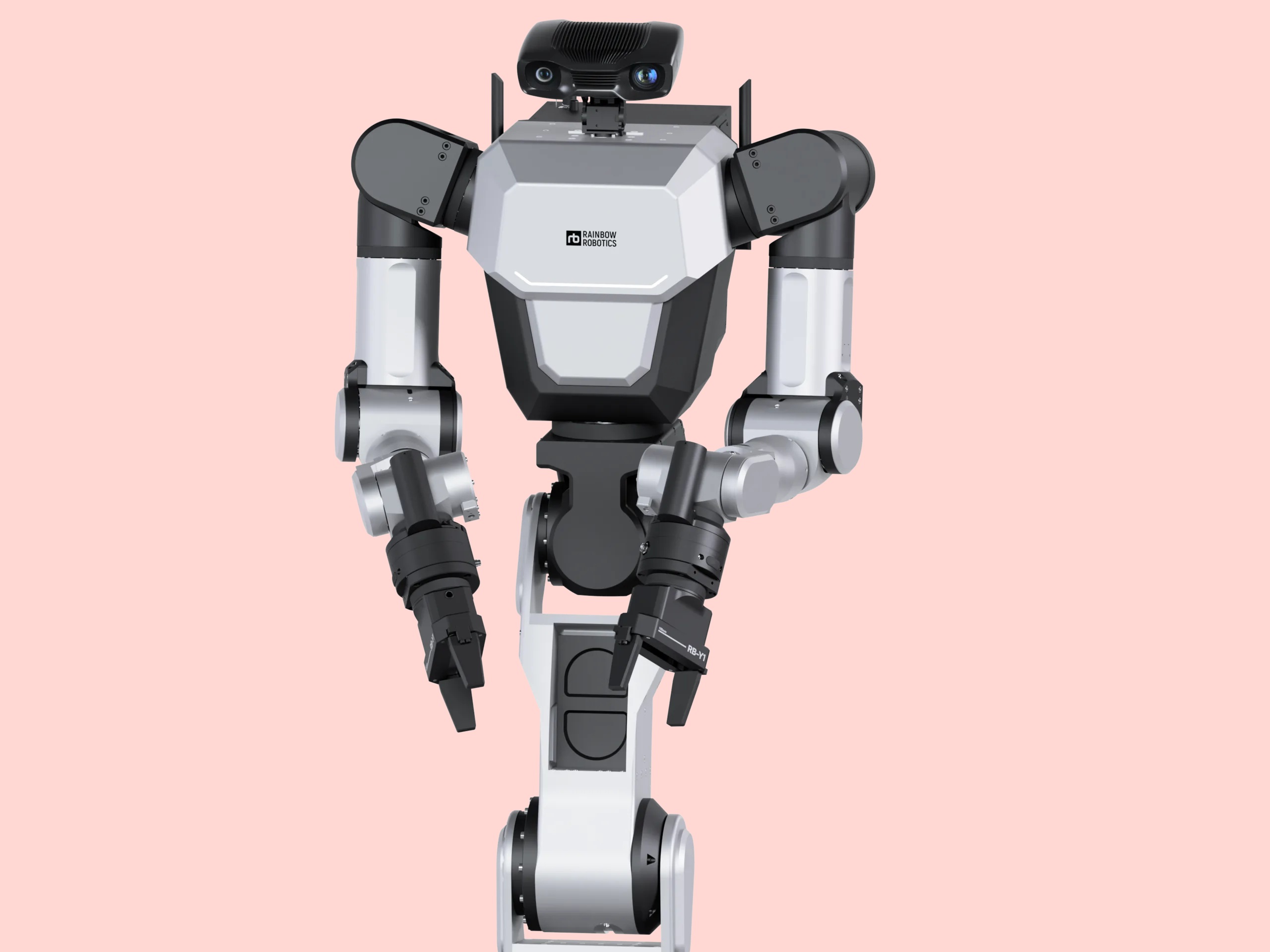
While Samsung has long been involved in robotics, its best-known consumer offerings have typically been commercially focused devices such as robot vacuums. Now, the company is signaling a bigger push into advanced robotics for industrial use. A key part of that strategy involves its investments in humanoid robot developers, including Rainbow Robotics. Samsung has indicated it intends to deploy Rainbow Robotics’ RB-Y1 humanoid robot on manufacturing lines, moving beyond simple automation toward robots designed to operate in environments built for humans.
Alongside humanoid robots, Samsung is placing agentic AI at the center of its manufacturing transformation. The company says it plans to apply this AI across the entire production pipeline, from material warehousing and handling through to shipping. The goal is to raise productivity and improve product quality at every step, using AI systems that can analyze conditions, make decisions, and help optimize processes in real time. Samsung also states it will use AI-based applications to strengthen workplace safety and support better environmental health conditions in its facilities.
More details on Samsung’s AI direction are expected soon. The company plans to share additional information at the Mobile World Congress in Barcelona in March, including how it intends to manage and govern AI deployment inside its operations. That governance focus matters, especially as manufacturers increasingly rely on autonomous and semi-autonomous systems that can influence both output and worker safety.
Samsung isn’t the only global manufacturer betting on humanoid robots in industrial settings. Other major players are also moving quickly, signaling that factory humanoids may be shifting from experiments to real deployments. Foxconn, a major supplier in the electronics industry, announced in late 2025 that it would start using Nvidia-powered bipedal robots to assemble AI servers within six months. Hyundai is also scaling up, placing an order for 30,000 Atlas humanoid robots from Boston Dynamics, with plans to use them across its car factories in the United States.
Taken together, these moves highlight a broader industry trend: manufacturing is entering a new era where intelligent software and human-shaped robots could work alongside traditional automation to make production lines more flexible, responsive, and resilient. For Samsung, the message is clear—by 2030, the factory of the future won’t just be automated; it will be increasingly intelligent and increasingly humanoid.