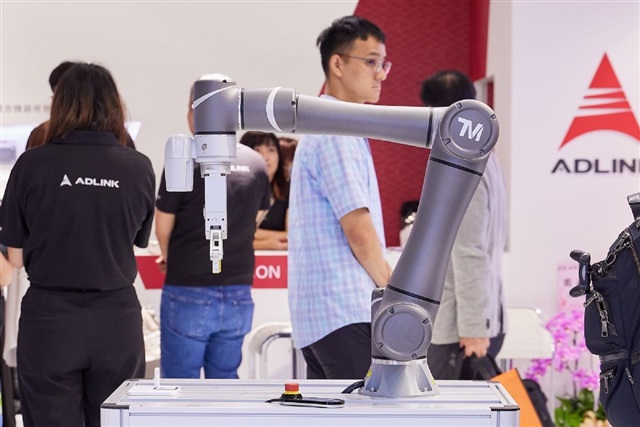
The realm of robotics is experiencing an upsurge in interest and innovation, especially in the field of artificial intelligence (AI). A surge in discussions concerning humanoid robots has been triggered by recent advancements in AI computing. With AI and robotics interweaving closer than ever, the industrial PC (IPC) industry sees robots as more than mechanical marvels; they represent a burgeoning market brimming with potential.
The importance of the IPC sector becomes even more pronounced when considering the infrastructure needed to support advanced robotics. As the robot market expands, the demand for robust IPC systems – computers designed to operate reliably in industrial environments – is expected to rise. IPCs are typically used to control and monitor industrial processes, and with the increased sophistication of robots, these PCs are integral to the seamless functioning of robotic systems.
### Understanding IPC’s Role in Robotics
Industrial PCs are the unsung heroes in the evolution of robotic technology. Here are some key aspects that showcase their role in the thriving robot market:
1. **Control and Communication**: IPCs are essential for the control systems of robots, providing the computing power necessary to process complex algorithms and manage intricate tasks.
2. **Reliability in Harsh Environments**: Robots are often deployed in environments that are challenging for electronic equipment. IPCs are engineered to withstand extreme temperatures, dust, vibrations, and other harsh conditions.
3. **Real-Time Processing**: Robotics applications often require real-time data processing. IPCs can handle these demands, ensuring robots react quickly to environmental changes or input data.
4. **Scalability**: As robotic applications evolve, so does the need for more powerful computing solutions. IPCs can be upgraded to meet the growing processing needs of advanced robotics.
### The Potential of the Robot Market
The robot market is not just about the production and sale of robots. It involves a complex ecosystem that includes sensors, control systems, software, and connectivity solutions, all of which are areas where the IPC industry can play a significant role. Here’s how the robot market is presenting new opportunities:
– **Robotics in Various Industries**: From manufacturing to healthcare, the use of robots is expanding rapidly, leading to a wider array of applications for IPCs.
– **Humanoid Robot Development**: The pursuit of creating robots that resemble and interact like humans might sound like science fiction, but it’s a field that’s gaining traction, pushing the boundaries of what IPCs can facilitate.
– **AI Integration**: With artificial intelligence becoming a staple in robotics, IPCs are the foundation enabling this integration, handling the intense computational requirements of AI algorithms.
### Staying Ahead in the Robot Market
For businesses and investors in the IPC industry, staying ahead entails constant innovation and understanding the needs of the robotics market. Here are some actionable steps to maintain a competitive edge:
1. **Invest in Research and Development (R&D)**: Continuous investment in R&D ensures that IPC solutions remain at the forefront of technology, capable of meeting the demands of advanced robotic systems.
2. **Cultivate Partnerships**: Building relationships with robot manufacturers and software developers can lead to integrated solutions that serve the market more effectively.
3. **Focus on Quality and Durability**: In robotic applications, where failure can be costly, emphasizing the quality and reliability of IPC products can set a company apart.
4. **Keep Abreast of Market Trends**: The robot market is dynamic, and staying informed about the latest trends, such as the growth of humanoid robots or new AI breakthroughs, allows IPC industry participants to adapt their strategies accordingly.
In conclusion, as the fascination and practicality of robots continue to skyrocket, the importance of the IPC industry is undisputed. The collaboration between robotic innovation and industrial computing is imperative for the frontier of AI and automation. By leveraging unique insights, staying up-to-date with market trends, and focusing on practical applications, the IPC industry can not only hold its place but thrive as the robot market progresses.


