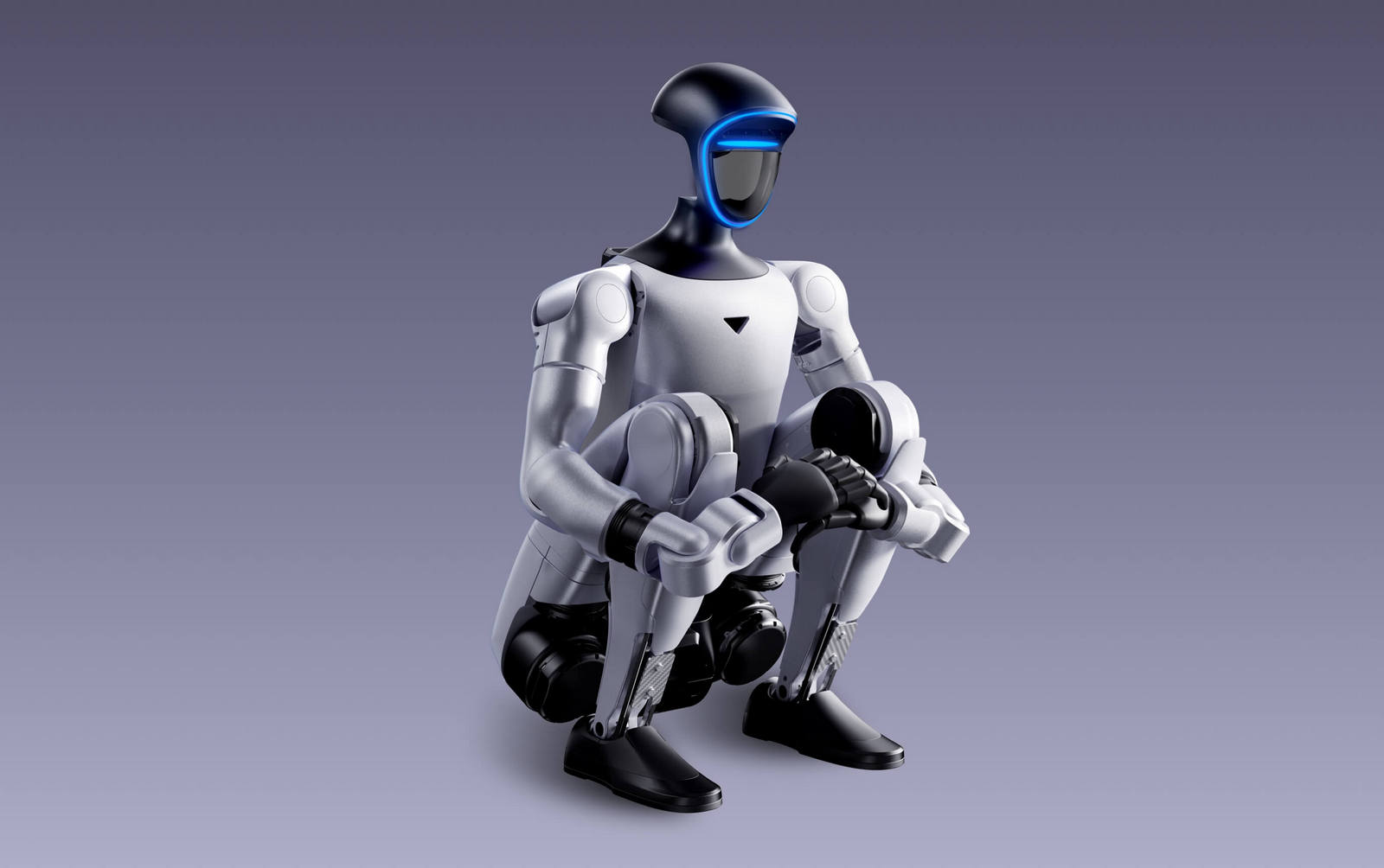
China’s Humanoid Robot Boom Is Huge, but Replacing Human Workers Is Still a Long Way Off
China is racing to become the global leader in humanoid robots, with more than 150 companies now working on machines designed to walk, carry objects, sort goods, serve customers, and eventually take on industrial jobs. Backed by heavy government funding and an aggressive manufacturing strategy, the country is trying to build a new robotics industry before the rest of the world catches up.
But behind the eye-catching demonstrations of robots dancing, serving coffee, or performing martial arts, the reality is far more complicated. Humanoid robots may look futuristic, but most are still struggling with the basic demands of real workplaces.
At a robotics training center in southern China, more than 100 humanoid robots are reportedly being trained to handle simple tasks such as sorting crates, packing food, and making coffee. These tasks may sound straightforward, but for robots they remain difficult, slow, and unreliable.
Training a humanoid robot to perform even one usable movement can take a long time. A beginner trainer may need around 300 attempts before getting one successful action. Even experienced trainers may need about 50 attempts to produce a usable result. In some cases, robots can complete simple tasks at only around 20% of the speed or productivity of a human worker.
That gap shows one of the biggest challenges facing the industry: humanoid robots are not yet flexible enough for real-world environments.
A robot may perform well when every object is placed exactly where expected. But if an item is moved slightly, a box is tilted at a different angle, lighting changes, or equipment is arranged differently from the training setup, performance can quickly fall apart. Human workers adapt almost instantly to these changes. Robots still need far more training and better artificial intelligence to do the same.
This is why traditional industrial robots remain the better option in many factories. They are often faster, cheaper, more accurate, and more reliable for repetitive manufacturing tasks. Humanoid robots are more visually impressive, but that does not automatically make them better for factory automation.
The biggest barrier is not only mechanical design. It is also artificial intelligence.
Humanoid robots rely on advanced AI systems that combine vision, language understanding, and physical action. These models must understand what they see, interpret instructions, and translate that information into precise movements. That is much harder than training a chatbot to generate text.
Robots also need enormous amounts of real-world physical training data. Current estimates suggest the humanoid robotics industry has access to roughly 500,000 hours of relevant training data. However, truly capable physical intelligence may require closer to 100 million hours. That massive data gap helps explain why progress can look impressive in controlled demos but much weaker in everyday work settings.
Even so, China is investing heavily.
Chinese government-linked entities reportedly spent at least $230 million on humanoid robots and related equipment in the first half of 2026. That is a major jump from about $62 million during the same period a year earlier. Chinese manufacturers also produced the vast majority of humanoid robots shipped globally last year, accounting for around 95% of approximately 20,000 units.
The strategy is familiar. China previously used a similar playbook in electric vehicles and solar panels: support early production, scale quickly, push costs down, and let fierce competition shape the strongest companies. In humanoid robotics, the country appears to be following the same path.
However, humanoid robots are still far less mature than electric cars or solar panels were during their rapid expansion phases. Analysts warn that the sector could face major consolidation if subsidies slow down and weaker companies fail to find profitable uses for their machines.
There are already some promising real-world applications. One Chinese robotics company has started using humanoid robots in pharmacies, where they retrieve products from shelves. In that controlled environment, the robots reportedly achieve a success rate of more than 95%. This suggests humanoids may first succeed in structured spaces where tasks are repetitive and conditions are predictable.
General-purpose factory work, however, remains a much harder challenge. A factory floor can be noisy, crowded, fast-moving, and constantly changing. For humanoid robots to become truly useful there, they need better AI, more training data, stronger reliability, and lower operating costs.
China’s humanoid robot industry is growing at remarkable speed, and the country may become the center of global robot manufacturing. But for now, the machines are still better at impressing crowds than replacing human workers.
The future of humanoid robots may be coming, but it is not here yet.