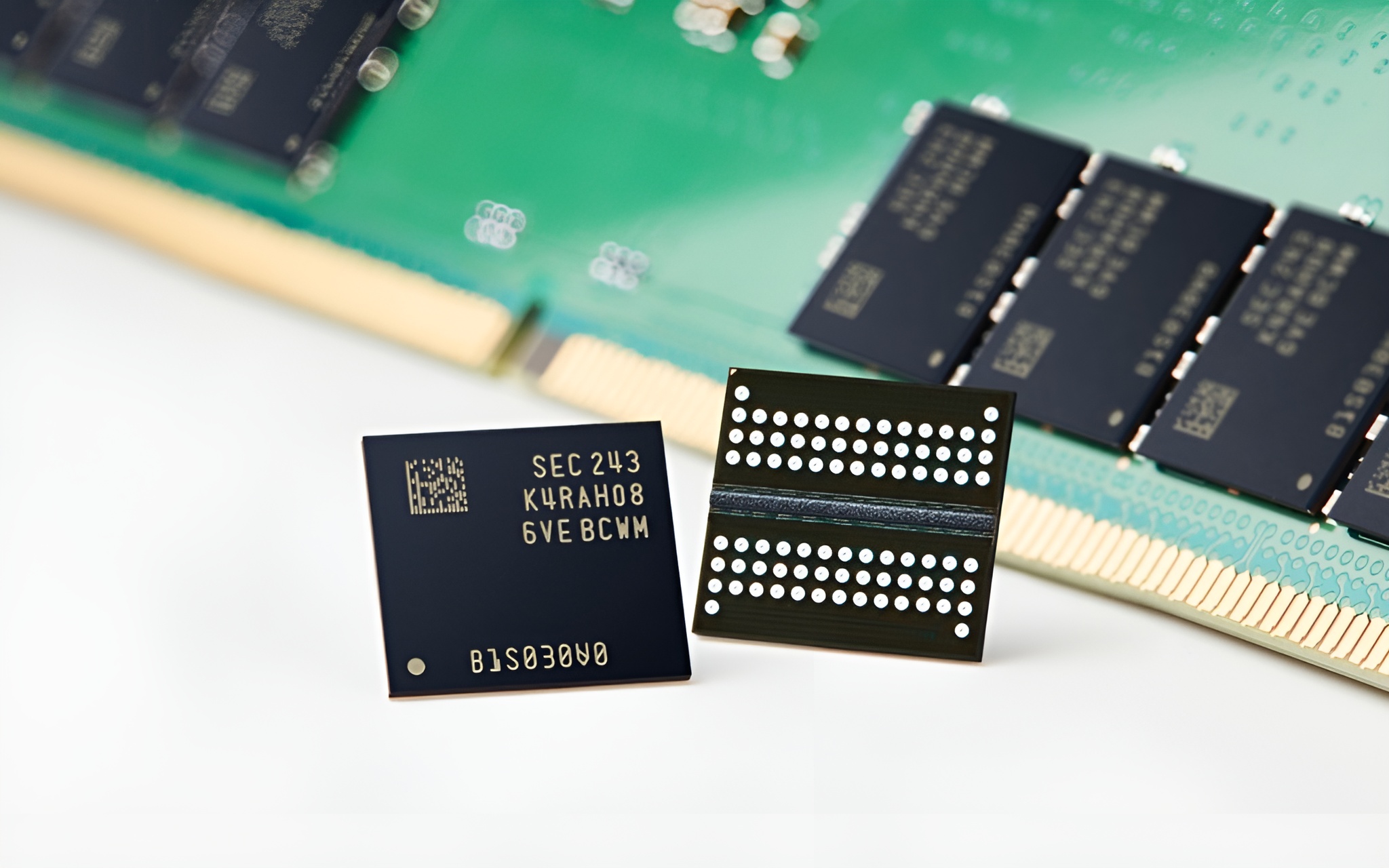
The DRAM market is getting more intense by the day, and the pressure to secure memory chips is reportedly pushing parts of the supply chain into uncomfortable territory. New claims suggest Samsung is investigating possible bribery involving employees and third-party distributors looking to lock in DRAM allocations.
With DRAM capacity tight across the industry, nearly every major player in the computing world is racing to secure inventory. Large technology companies have been able to protect themselves by signing long-term supply agreements with leading memory makers such as Samsung and SK hynix. Smaller companies, however, don’t always have the leverage to negotiate priority access—so some are believed to be seeking alternative ways to get supply in a market where availability can determine whether products ship on time.
According to a report cited by DigiTimes, some distributors in Taiwan allegedly paid kickbacks to Samsung employees in exchange for preferential access to memory supply. The claims have prompted Samsung to launch an internal investigation, with potential personnel actions expected depending on the outcome.
The report says Samsung has been interviewing employees across its Taiwan operations as part of the inquiry. The seriousness of the response points to how critical supply stability and fair allocation have become during this shortage. When capacity is constrained and demand is coming from every direction—PC makers, enterprise customers, and other device manufacturers—any hint that allocations are being influenced unfairly becomes a major risk not just for business operations, but also for trust across the supply chain.
The situation also highlights just how strained DRAM availability is right now. In a previously reported example, Samsung allegedly declined a DRAM supply request from its own mobile division due to limited capacity—an eye-opening detail that underscores how even internal demand can be affected when production is stretched thin.
While memory manufacturers are working to expand output, meaningful relief may still be quarters away. Until then, the DRAM supply chain is expected to remain constrained, particularly in the PC market. That pressure is already visible to consumers and businesses alike, as many mainstream manufacturers continue to raise prices on products impacted by higher component costs and limited availability.
If the investigation confirms wrongdoing, it could lead to stricter controls over DRAM allocation practices and closer scrutiny of distributor relationships—especially in regions where competition for memory supply is at its fiercest.