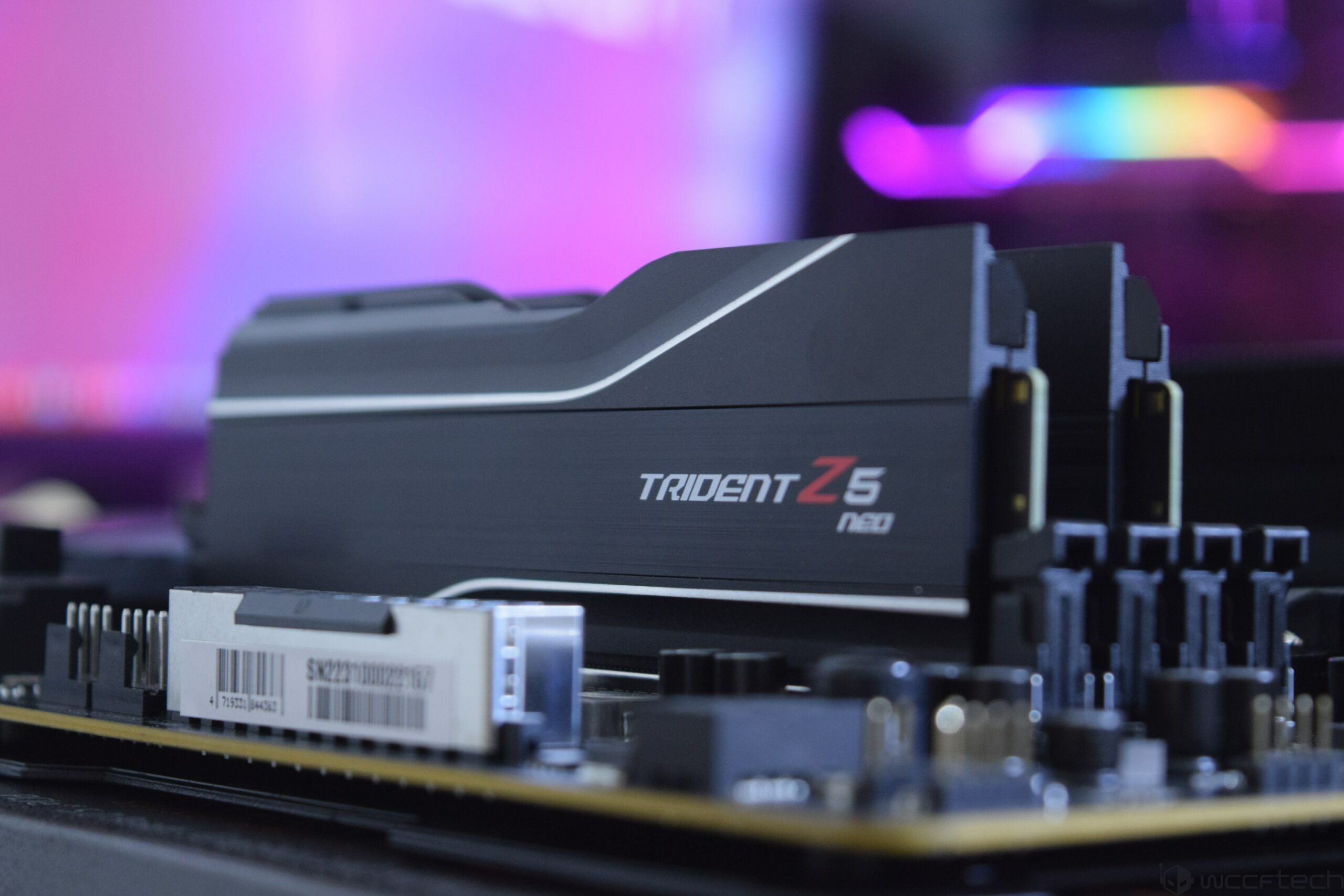
Shopping for DDR5 memory? Be prepared for a surprise. Distributors in Taiwan are reportedly bundling RAM purchases with mandatory motherboard buys, a tactic designed to squeeze extra margin out of ongoing memory shortages. In other words, if you only want a DDR5 RAM kit, you might be told you have to take home a compatible motherboard too.
This kind of forced bundle isn’t entirely new to the PC hardware world. We’ve seen retailers roll out pricey combos for in-demand parts before, especially when stock was tight—think of the rush around CPUs like the Ryzen 7 9800X3D. But the latest move marks a bold escalation: tying every RAM purchase to a motherboard, even when the customer doesn’t need one.
According to Taiwan Economic Daily, the strategy appears to be driven by two forces. First, inventory pressure: the industry is on the cusp of a new CPU generation with fresh chipset lineups, and distributors are eager to clear out current boards before next-gen models become the default choice. Second, demand dynamics: DDR5 has entered a period of heightened demand and constrained supply, and distributors are capitalizing on the surge by pushing higher-margin bundles.
For consumers, it’s a frustrating scenario. Builders who planned a simple memory upgrade are being nudged into a far pricier purchase, often with a motherboard they didn’t intend to replace. It underscores how quickly the supply chain can pivot to protect margins when components become scarce. The result is a market that feels less consumer-friendly just as memory prices are climbing and availability is tightening.
Will this remain a localized phenomenon? Hopefully. But it’s easy to see why some vendors and channel partners might be tempted to adopt similar tactics elsewhere. Bundling is an easy way to bolster motherboard sell-through while still moving in-demand DRAM kits. If the memory market stays hot and supply remains tight, other regions could see similar policies surface at select retailers or distributors.
What’s driving the pressure on DDR5 right now? A mix of rising demand from PC enthusiasts and broader industry factors affecting DRAM output. When supply tightens, prices tend to spike quickly, and we’re already seeing that trend play out. Gamers and creators looking to upgrade their rigs are either paying more or hitting pause on planned builds until the market cools down.
If you’re in the market for DDR5 RAM, here are a few practical tips to navigate the situation:
– Compare multiple retailers and watch for unbundled listings before you buy.
– Verify store policies and ask directly whether a motherboard purchase is required with memory.
– Consider timing your upgrade if your current system is serviceable; prices and policies can shift fast.
– If you do need both parts, evaluate a bundle only if the motherboard genuinely fits your build plan and offers a fair price-to-feature ratio.
– Keep an eye on upcoming CPU and chipset launches; price adjustments often follow new product cycles.
The bottom line: DDR5 is in a classic squeeze—high demand, limited supply, and rising prices—and parts of the channel are using that leverage to move slower-selling inventory. While the practice of forcing motherboard add-ons may help distributors clear shelves, it leaves consumers paying more and upgrading sooner than planned. If you’re shopping for memory right now, stay vigilant, shop around, and don’t let a “must-buy” upsell derail your build or your budget.