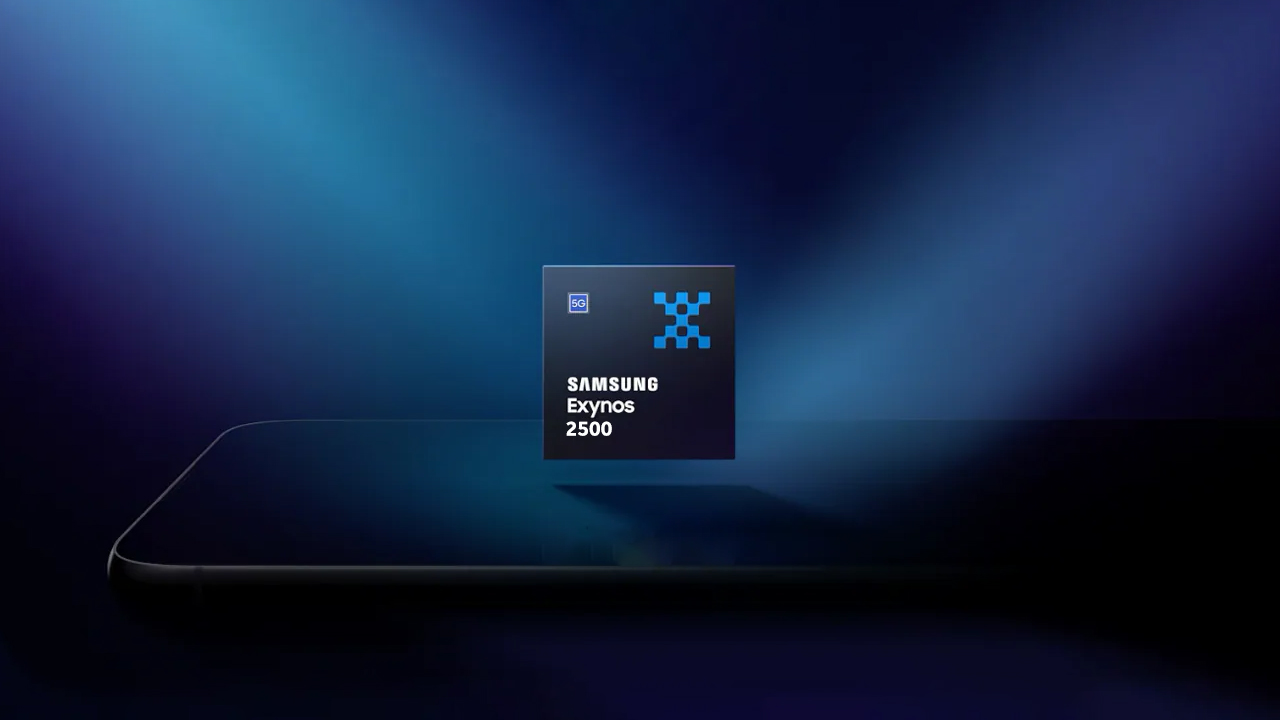
Samsung’s highly anticipated Galaxy S25 series may end up relying on Qualcomm’s Snapdragon 8 Gen 4 chips due to issues with its own Exynos 2500 SoC. Reports suggest that the company’s in-house chip, previously expected to power the upcoming smartphones, could be abandoned as a result of disappointing production yields.
The Exynos 2500 was initially thought to be a game-changer for Samsung, designed to elevate the performance of their devices and bring them to the forefront of chipset technology. Leveraging Samsung’s second-generation 3 nm node, this chip was set to debut in the Galaxy S25, Galaxy S25+, and possibly the Galaxy S25 Ultra. However, recent murmurs within the tech industry point to a less than stellar production yield of about 20%, raising doubts about the viability of this chip making it to mass production.
Despite these challenges, there is still time for Samsung Foundry to address these yield issues before the launch. Moreover, Samsung’s previous commitments to integrating more Exynos chips into its devices—primarily due to rising manufacturing costs at rival foundries like TSMC—hint at a low likelihood of the tech giant giving up on the Exynos 2500. This ambition is evident as Samsung explores cost-effective solutions, such as opting for MediaTek’s Dimensity 9300+ for its upcoming Galaxy Tab S10+ in an attempt to keep costs competitive.
Nevertheless, if the decision to forgo its own chip is made, Samsung’s Galaxy S25 series would turn exclusively to the Snapdragon 8 Gen 4. Although there could be a price increase associated with this switch, as the new Qualcomm chip is expected to be 25-30% costlier than its predecessor, it points to weighty implications for the pricing strategy of Samsung’s future devices, such as the Galaxy Z Flip6 and Galaxy Z Fold6.
Switching to Qualcomm would mean Samsung would have to reconcile the higher cost of the Snapdragon chips with its overall device pricing strategy, a balancing act that could have significant ramifications for the consumer market experience. It’s important to note these developments come from predictions and reported trends within the industry, as such, actual outcomes may differ.
Despite the uncertainties, enthusiasts and potential buyers of Samsung’s next-gen devices are keeping a watchful eye on the unfolding scenario. With the right strategic moves, Samsung could either redefine the chipset landscape with its Exynos line or strengthen its partnership with Qualcomm, charting new paths for innovation and market dynamics.
As consumers anticipate further developments, it’s clear that the semiconductor manufacturing process, with its complex yield rates and cost considerations, continues to play a pivotal role in shaping the future of mobile technology and device capabilities. The industry awaits to see how Samsung will navigate these challenges in the lead-up to the launch of the much-awaited Galaxy S25 series.