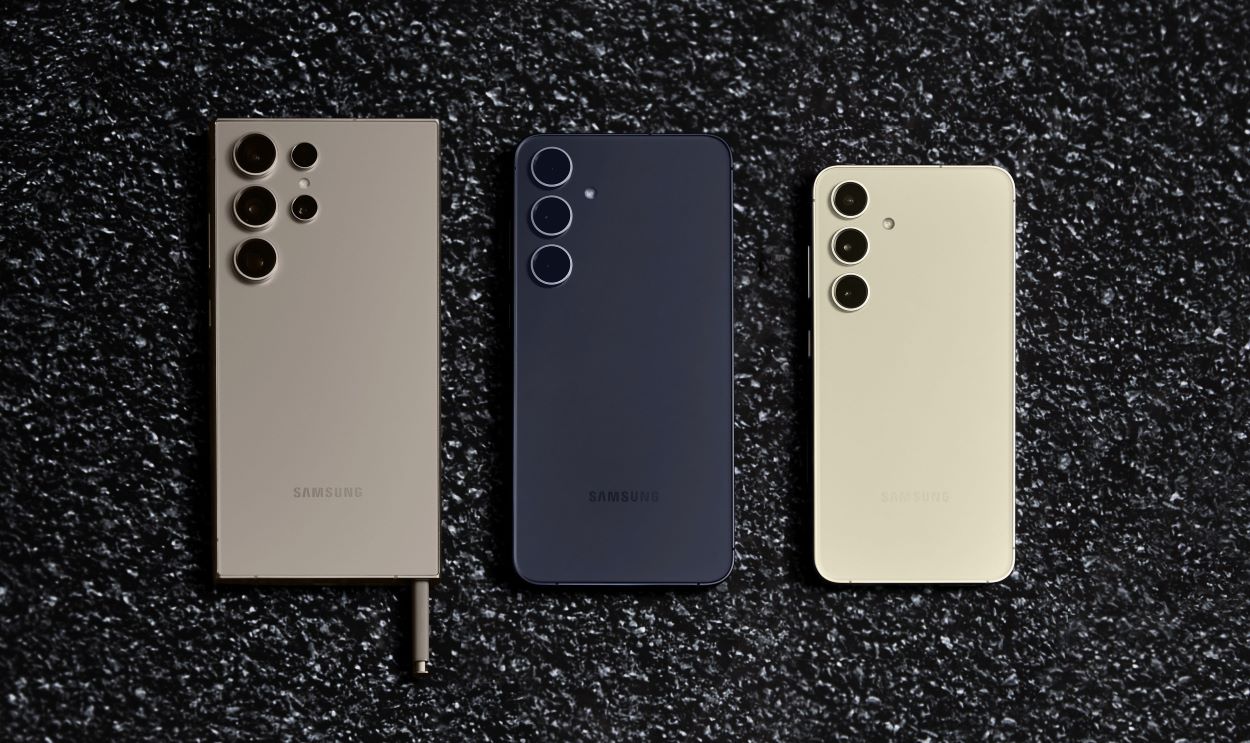
Samsung Galaxy S25 Series Expected to Feature Both Exynos 2500 and Snapdragon 8 Gen 4 Chipsets Upon 2025 Release
Samsung, the renowned South Korean tech company, continues to adopt a dual-chipset approach for its flagship smartphone series. In the past, the brand introduced variants of its Galaxy S24 series powered by the Exynos 2400 and Snapdragon 8 Gen 3 processors. It’s anticipated that Samsung will carry this strategy into the future with the Galaxy S25 series set to launch in 2025, employing both the Exynos 2500 and Snapdragon 8 Gen 4 chipsets.
The decision behind offering various chipset options is not publicly detailed, including how they plan to divide shipments between the two processor types or how they will choose which models will feature which chipset. Particularly, it remains unclear whether the premium Galaxy S25 Ultra model will be available exclusively with the Snapdragon 8 Gen 4, the Exynos 2500, or a mix of both.
Traditionally, Qualcomm’s Snapdragon chips have outpaced their Exynos counterparts, achieving higher benchmarks in both computing and graphical performance. This raises the question as to why Samsung would continue to utilize a dual chipset strategy despite the potential for some models to have less powerful processing. The answer may lie in costs. Snapdragon chipsets, famed for their performance, are also known for their high prices. For instance, the Snapdragon 8 Gen 3 is estimated to cost around $200 per unit, and an executive from Qualcomm has hinted that its successor, the Snapdragon 8 Gen 4, could be the priciest offering to date.
By leveraging its in-house Exynos chips, such as the upcoming Exynos 2500, Samsung could balance out the costs, ensuring that profitability is not sacrificed while continuing to deliver high-quality hardware upgrades to consumers. Thus, it’s a strategic move aimed at maintaining a balance between performance and cost-effectiveness.
As for the Exynos 2500, early discussions have begun to shape expectations around its capabilities. It is rumored to feature an RDNA4 GPU, support LPDDR5T RAM, and incorporate a 10-core CPU cluster akin to the Exynos 2400. However, it’s anticipated to have a significant upgrade with the inclusion of a Cortex-X5 CPU.
More rumors and speculation are likely to emerge as we move closer to the Galaxy S25 series’ anticipated release. People interested in the intricacies of smartphone technology and future models can look forward to further details that will undoubtedly surface.
This approach of employing dual chipsets in high-end smartphones demonstrates Samsung’s flexibility and responsiveness to market demands and cost considerations, positioning it as a company that values both performance and profitability. Consumers interested in the next-generation Galaxy S smartphones can anticipate further announcements, as Samsung prepares to unveil its latest creations.


