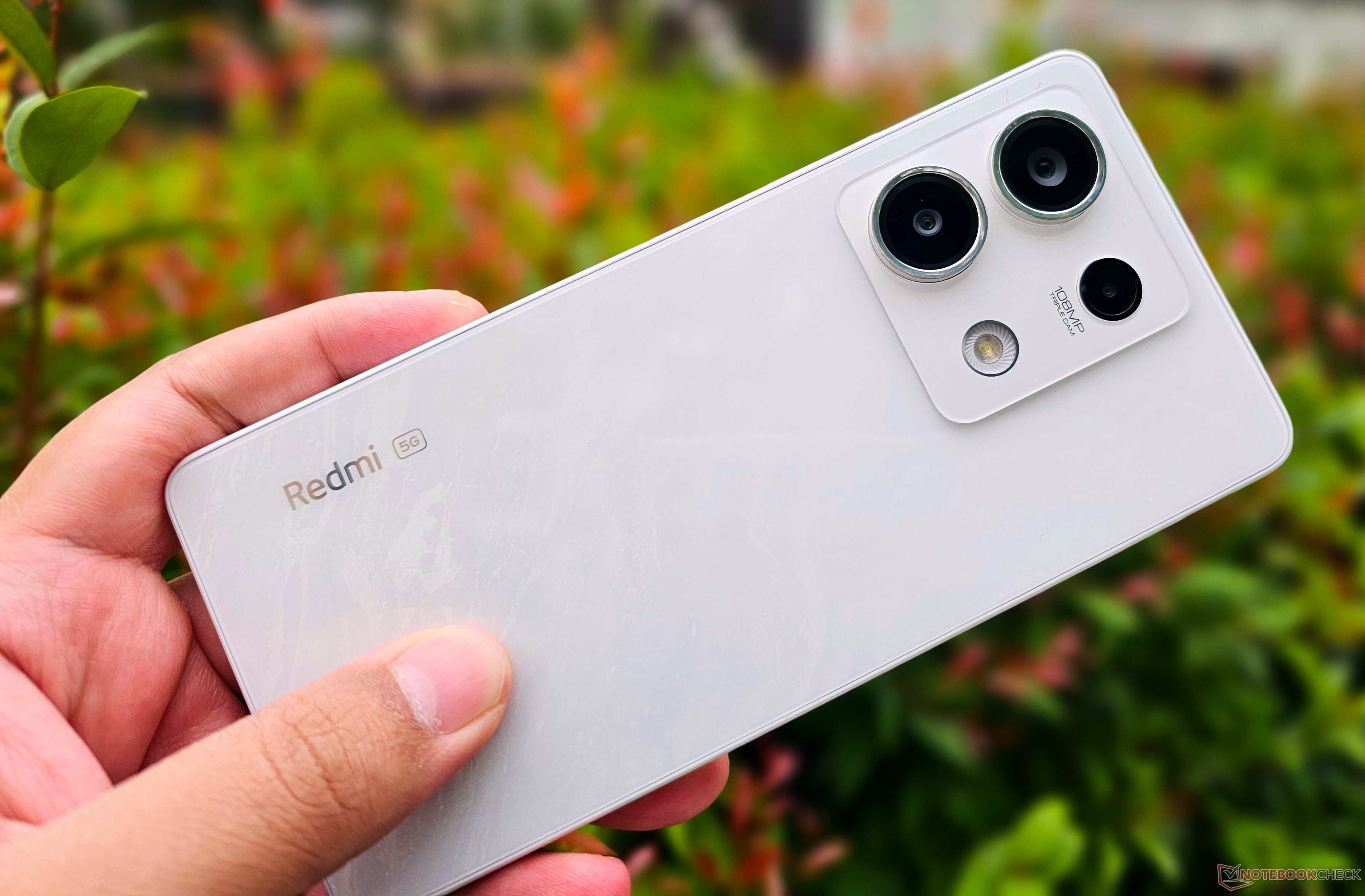
The Xiaomi Redmi Note 13 5G, also branded as the Note 13 Classic, brings the fast connectivity of 5G to budget-conscious consumers with its attractive pricing under ₹20,000 (around €200). Ideal for those who are looking for practicality matched with aesthetics, the model comes in a striking Arctic White among other finishes and boasts a design that is true to the Redmi ethos.
In the realm of operating systems, users of the Note 13 5G will encounter HyperOS, an experience that doesn’t stray far from the familiar MIUI 14, yet attempts to offer a bit of freshness.
A key standout of the Redmi Note 13 5G is its 108 MP camera, which puts it ahead of competitors like the Tecno Pova 6 Pro 5G and the Samsung Galaxy A35 5G. The camera performs admirably, producing quality images even with 2x and 3x sensor crops. The device’s 6.67-inch 120 Hz AMOLED display doesn’t disappoint either, with impressive color replication, HDR10 support, a peak brightness of 1,000 nits under bright lighting conditions, and quick response times – features that are often sought after by users prioritizing multimedia consumption.
However, the Redmi Note 13 5G isn’t without its compromises. Powered by the Dimensity 6080, it delivers sufficient performance for day-to-day usage but falls short when compared to more modern chipsets like the Snapdragon 695 found in devices such as the OnePlus Nord CE 3 Lite 5G. Even so, it does offer a slight performance bump compared to the previous generation.
Despite its positive aspects, the Redmi Note 13 5G has a number of missing features that could affect user experience. The absence of Wi-Fi 6, L5 GPS, Voice over New Radio (VoNR) calls, Electronic Image Stabilization (EIS)/Optical Image Stabilization (OIS), 60 fps or 4K video recording capabilities, and stereo speakers might be deal-breakers for some. Additionally, the device only supports 33 W fast charging, features a USB 2.0 Type-C port, and has a slower microSD card reader. Furthermore, while the battery life isn’t negative, it’s not particularly noteworthy either.
Further adding to potential buyer’s dilemmas is Xiaomi’s own offering of a very similar device, the Poco X6, that addresses many of the Redmi Note 13 5G’s deficiencies. The Poco X6 steps up the game by including a more powerful Snapdragon 7s Gen 2 chipset and rectifying some of the features at a price point that closely rivals the Note 13 5G.
With this in mind, when considering a budget-friendly 5G device, the Xiaomi Redmi Note 13 5G emerges as a double-edged sword, providing a great display and camera but at the expense of several other features that modern users might expect. When shopping for a new smartphone, it’s important to weigh these factors against your specific needs and usage patterns to ensure that you’re making the best choice for your individual requirements.


