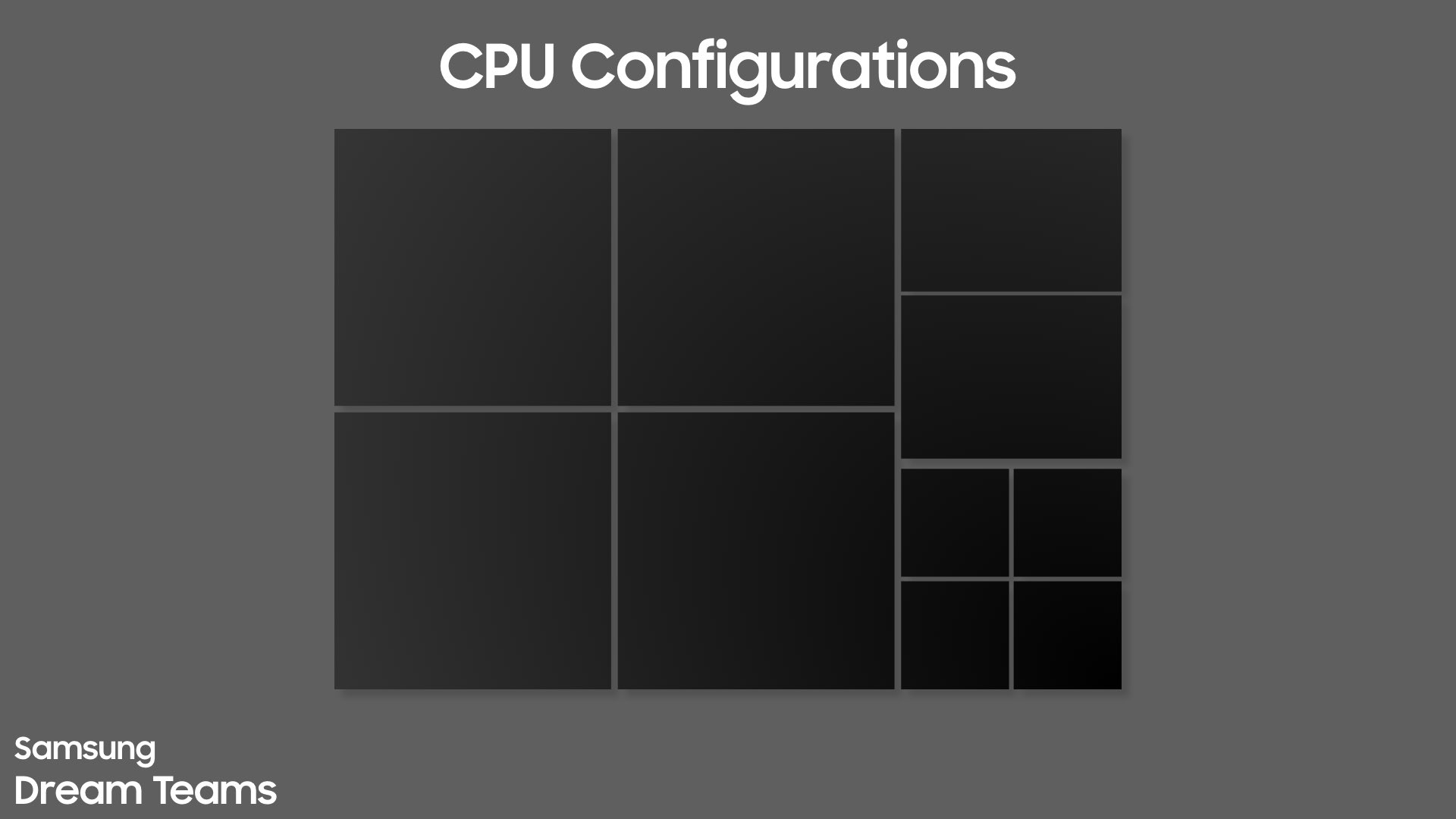
Samsung is reportedly persevering with the development of the Exynos 2500 chipset, which is set to power future iterations of the company’s Galaxy S series, specifically the Galaxy S25. According to industry insiders, efforts are underway to enhance the success rate of producing functional SF3 chips, a crucial component of the Exynos 2500. The current yields of these components are believed to be at a concerning low of around 20%, necessitating substantial improvements to make the chipset viable for mass production.
The urgency for improving the Exynos 2500’s yield stems from the potential consequences of failing to do so. Notably, Qualcomm is gearing up to unveil its Snapdragon 8 Gen 4 later in the year. Should Samsung be unable to increase its Exynos yields to a more sustainable threshold, approximately 60%, by the same timeframe, it may have to rely entirely on Qualcomm’s offerings for its Galaxy S25 series. This could lead to increased costs for consumers, as integrating exclusively Qualcomm chips would likely raise the price point of the devices.
Despite the challenges, Samsung remains committed to its in-house system-on-chip. The South Korean tech giant has historically split its supply between Exynos and Snapdragon chips for its flagship devices, aiming to showcase its technological prowess through its proprietary silicon. Abandoning the Exynos 2500 altogether would not only imply significant financial and resource losses but might also impact the company’s competitive edge and market perception.
As a leader in the tech industry, known for innovation and high-performance devices, Samsung’s struggle with the Exynos 2500 yields is closely watched by enthusiasts and analysts alike. The success in enhancing production efficiency would not just secure the Exynos spot in the upcoming Galaxy models but might also influence consumer satisfaction, given the historical performance benchmarks set by Qualcomm.
Consumers and industry observers are keenly awaiting updates on Samsung’s progress, as the performance and reliability of upcoming Galaxy S devices hinge significantly on the outcomes of these efforts. A successful turnaround in the Exynos 2500 development could lead to more diversified and potentially cost-effective options for the Galaxy S25 lineup and beyond, underscoring Samsung’s dedication to innovation and self-sufficiency in the highly competitive world of mobile technology.


