The Exynos brand, Samsung’s in-house chipset solution, experienced turbulence with the launch of the Exynos 2200 SoC and the Galaxy S22 series. Performance issues marred the initial release, casting a shadow on the chipset’s reputation. Critics pointed to the disparities between the Exynos-powered models and their Qualcomm counterparts, which didn’t bode well for Samsung.
However, Samsung’s chipset image is undergoing a transformation. In 2023, Samsung bypassed the Exynos 2xxx series and focused on the Exynos 2400. This chipset has made its debut with the Galaxy S24 series and has, so far, been a success story for the Exynos brand, hinting at a potential comeback.
Exynos Chips in Mid-range Galaxy A Devices – A Make-Or-Break Scenario
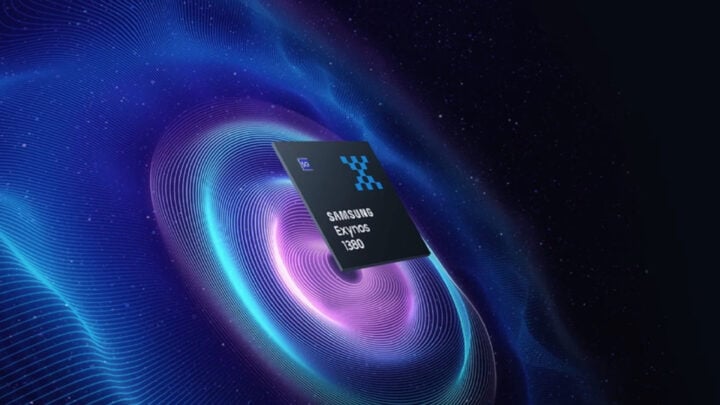
While high-end devices draw significant attention, the performance of Samsung’s Exynos chips in mid-range devices is as crucial. Although the Galaxy A54 and the Exynos 1380 chip launched in 2023 show signs of improvement, their release was not without challenges. Users reported issues with One UI stuttering, raising concerns over the optimization of the Exynos 1380 SoC.
It is essential for Samsung to mirror their high-end Exynos success with their mid-range chipset offerings. The release of the Exynos 1480 SoC with the Galaxy A55 represents an opportunity for Samsung to establish their prowess in the mid-range market as well.
Confidence in Exynos chipsets could revitalize the Exynos brand if the upcoming Galaxy A55 showcases a significant improvement. The Galaxy A55, anticipated to be on the market soon, is reported to be housing the Exynos 1480. This new chipset could be a determining factor in the Exynos brand’s overall resurgence.
Built on a 4nm process, the Exynos 1480 is expected to share some production qualities with its high-end sibling, the Exynos 2400. It’s also the first mid-range chipset from Samsung to integrate an AMD RDNA-based GPU.
Benchmarks disclosed by third-party sources suggest that the Exynos 1480 surpasses its predecessor, the Exynos 1380, in terms of both CPU and GPU performance. While benchmarks serve as a starting point, real-world performance remains the ultimate test. With the Exynos 1480, Samsung aims to demonstrate that it has not overlooked the importance of their mid-range chipset, as the user experience with the Galaxy A55 will be pivotal.
The Galaxy A55’s launch is more than merely a product release; it could be the litmus test that vindicates the Exynos brand and Samsung’s dedication to producing superior chips across all price brackets. While the Exynos 2400 may have initiated Samsung Foundry’s recovery, the Exynos 1480 might just cement its success.
The tech community and Samsung enthusiasts are poised to see if the Galaxy A55 delivers on these expectations, potentially marking a new era for Samsung’s Exynos chipsets.


