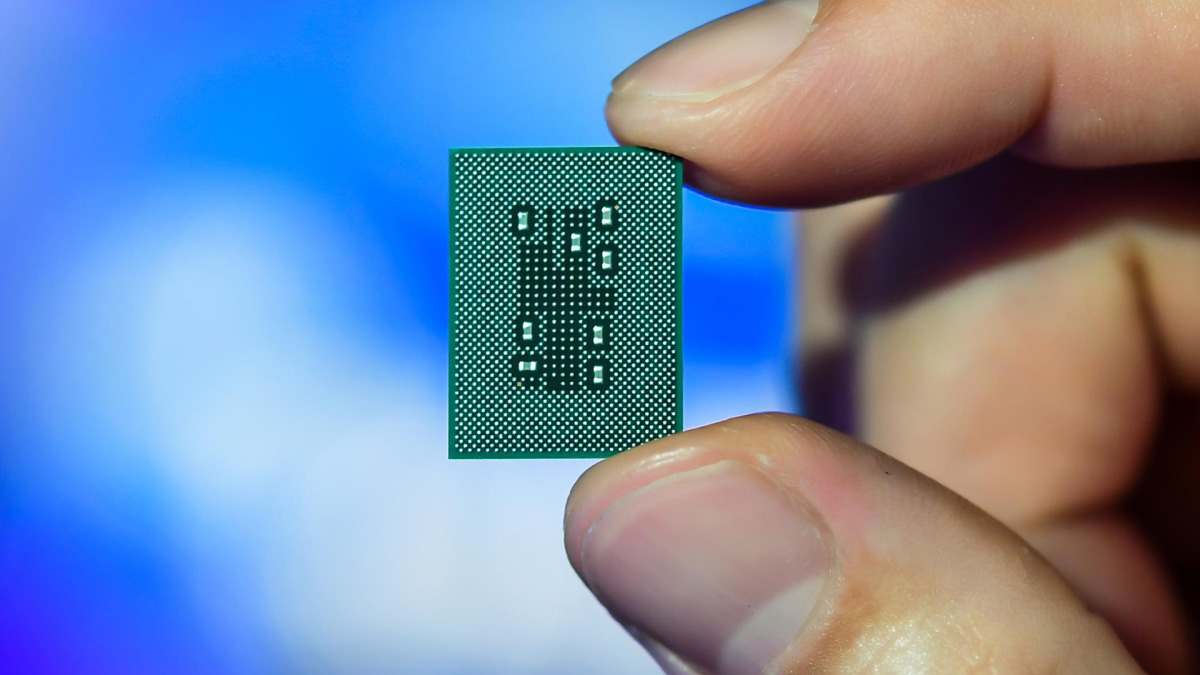
Qualcomm’s upcoming Snapdragon 8 Gen 4 chipset is stirring buzz ahead of its expected unveiling in October. Amid speculation, the tech giant may tweak the chip’s frequency to achieve a commanding 4.26GHz. The aim? To outpace Apple’s forthcoming A18 Bionic chipsets, particularly in benchmark comparisons such as Geekbench.
The race to the top of Geekbench scores is more than a matter of hardware might; it’s an influential marketing tool. Apple’s M4 chip recently set records with its 4.40GHz performance cores on Geekbench 6, highlighting the benchmark’s tendency to favor higher processor frequencies. There’s a notion that the Snapdragon 8 Gen 4 might follow suit, leveraging its potential frequency increase for a similar score boost.
Benchmarks like Geekbench 6 incorporate intervals between workloads, a process that allows processors to cool and avoid throttling. This means that although the Snapdragon 8 Gen 4 may show impressive scores in short, intense bursts due to its higher clock speed, it might not maintain such performance under prolonged stress.
Qualcomm has had its sights set on topping Apple in benchmark bragging rights, previously claiming that its Snapdragon X Elite was upward of 21 percent speedier than Apple’s M3 in multi-core performance. However, they remained silent about single-core performance, where Apple’s chips traditionally shine.
Critics and consumers alike often question if benchmarks translate into tangible user benefits. As Qualcomm potentially pivots their strategy towards these tests, we must await realistic, comprehensive test results to understand the true impact of the Snapdragon 8 Gen 4’s increased frequency in everyday use. The technology community eagerly anticipates these outcomes to determine the validity of Qualcomm’s approach and its influence on user experience.