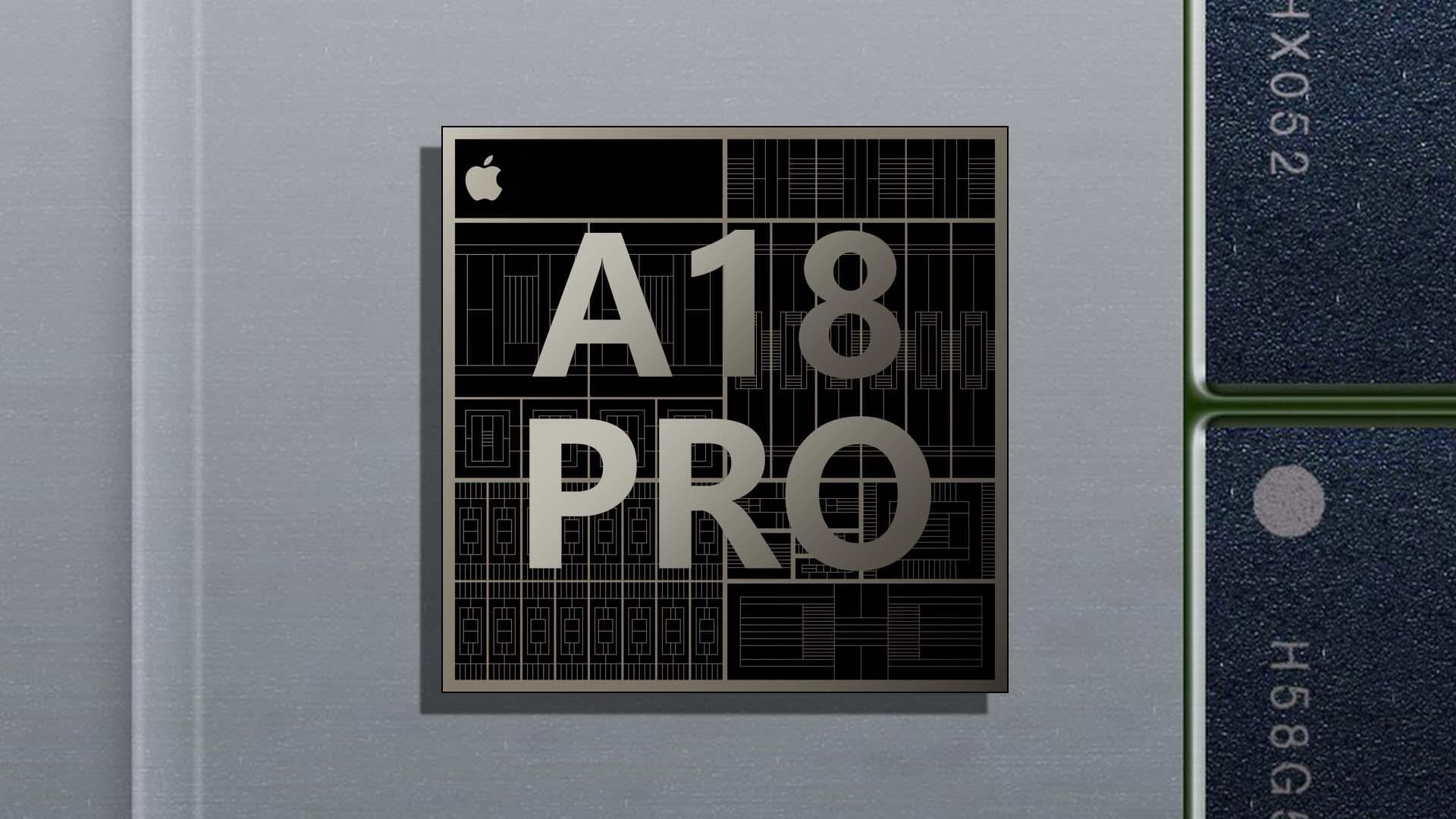
Apple is poised to continue its legacy of powerful chipsets with the anticipated release of the A18 Pro. Poised to be the driving force behind the iPhone 16 Pro and iPhone 16 Pro Max, expectations are high for this next-generation SoC. There’s been much speculation about the specifications and capabilities of the A18 Pro, especially in comparison to its predecessor, the A17 Pro, which has been a benchmark of performance thus far.
CPU Configuration of the A18 Pro
Rumors suggest that Apple is set to continue with its tried-and-true CPU core configuration for the A18 and A18 Pro. According to sources, these SoCs will maintain a ‘2 + 4’ CPU cluster. This would involve two high-performance cores teamed with four efficiency cores. This stands in contrast to predictions made by a tech Youtuber who had suggested a ‘2 + 6’ core configuration for the A18 Pro, hinting at an eight-core CPU.
Despite these whispers, a tipster with knowledge on the topic responded that there has not been any credible information suggesting an eight-core A18 Pro CPU. Some tech enthusiasts may find this lack of change in core count from earlier versions to be somewhat disheartening, as this could mean the A18 Pro might not exhibit remarkable multi-threaded performance improvements.
Performance Enhancements and Expectations
Nonetheless, even with the same core count, preliminary performance evaluations of the A18 Pro are promising. Leaks indicate that the A18 Pro could display up to a 28 percent performance increase in both single-core and multi-core tests over the A17 Pro, according to Geekbench figures. This is impressive, albeit not enough to surpass the projected performance of the Snapdragon 8 Gen 4 by Qualcomm, which reportedly has a 46 percent advantage in multi-core performance compared to its predecessor.
Despite this, Apple may be strategically focusing on enhancing efficiency over maximizing performance. Improved efficiency generally leads to better battery life, a trade-off that might appeal to users prioritizing longer device usage over raw power.
Potential Benefits of a Larger Die Size
Beyond the CPU core configuration, there are further areas where the A18 and A18 Pro could see notable improvements. Reports suggest that Apple might opt for a larger die size for these chipsets. A larger die could offer advantages such as greater cache memory, an expanded Neural Engine for advanced machine learning tasks, and other significant upgrades that could enhance the overall performance and capabilities of the chipsets, despite the unchanged core count.
Final Thoughts
It’s crucial to consider that all the details surrounding the A18 and A18 Pro are based on rumored information and should be taken with caution. Final specifications and performance data will become clearer as we approach the official announcement and release of Apple’s upcoming flagships. Whether the changes to the chipset will satisfy the high expectations of consumers remains to be seen. The tech community eagerly awaits concrete updates to paint a full picture of what the A18 Pro will bring to the table.