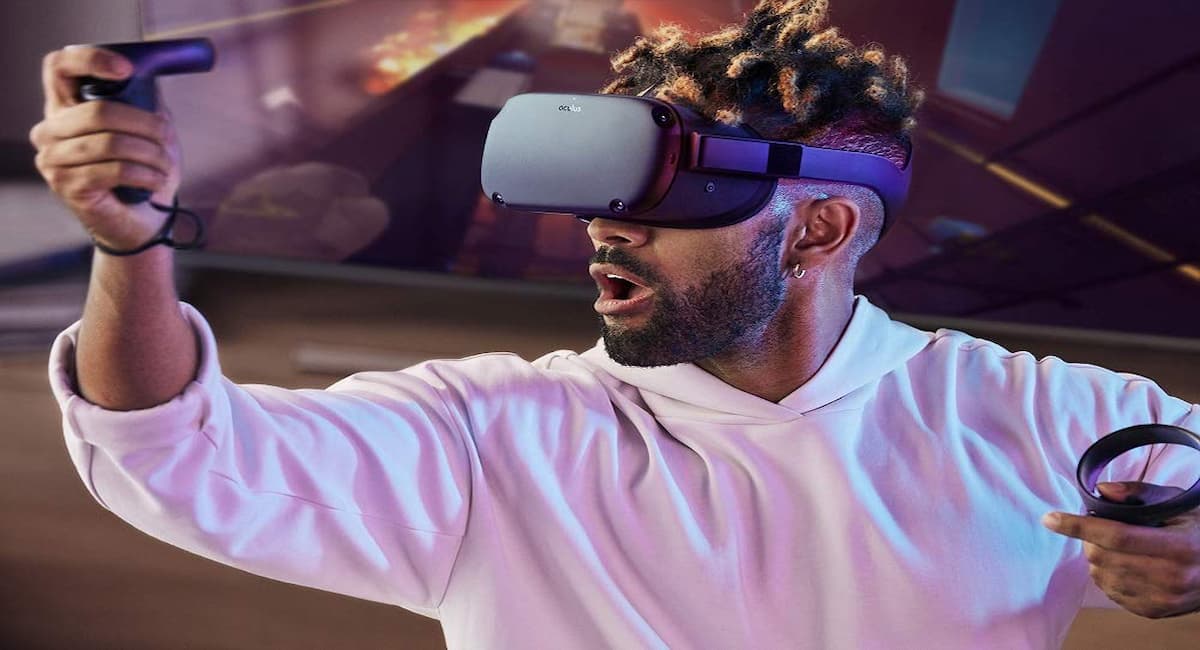
Meta to Discontinue Support for the Original Quest VR Headset
Meta, the tech giant behind the famous Quest VR headset, has recently made an official announcement indicating that they will soon terminate support for the original Quest. This development was conveyed to developers via an email, which offered some insight into how the support for the headset will be phased out and what the future holds for the platform.
The timeline set by Meta indicates a phased approach to ending support. The developers were reminded of this impending change, which had been previously mentioned. According to the information disseminated, starting from the end of April, developers will no longer be able to push updates to their applications on the original Quest. This measure also includes blocking any new updates post-April, irrespective of whether developers wish to distribute them. Further, applications that are newly published in the Meta Quest store will not be supported on the original Quest.
This plan is not entirely unexpected, as Meta had already initiated the process. They announced the discontinuation of the original Oculus Quest in January 2023. Since then, the device has seen a gradual reduction in the availability of new features and updates.
Despite the forthcoming lack of new content, Meta has assured users that they will still provide necessary security patches and critical bug fixes for the original headset until August. However, post-August, there will be no further support for the first-generation device.
For enthusiasts and users who wish to continue experiencing the newest features and maintaining the most up-to-date security on Meta’s VR platforms, the company suggests transitioning to the newer models. The Meta Quest 2, currently available, and the Meta Quest 3, are hailed as worthy successors to the original headset. Both devices come with an enhancement in features and performance, reflecting the advancements in virtual reality technology.
This decision to phase out support for the original Quest could influence customer decisions going forward. It may be viewed as a move to promote the latest models or as a natural progression in the technology lifecycle. Regardless of the motivations, users of the older models will need to make a choice about upgrading or finding alternative solutions if they want to continue having the full spectrum of features and support.
In conclusion, the end of support for the original Quest marks the end of an era for Meta’s VR endeavors. It suggests a strategic shift towards newer hardware, which offers updated capabilities and better performance. For users, while there may be some inconvenience associated with these changes, it also signals an exciting time for advancements in virtual reality technologies and the richer experiences these offer. As Meta continues to release updates, users are encouraged to keep informed and plan accordingly for future investments in VR gaming and experiences.


