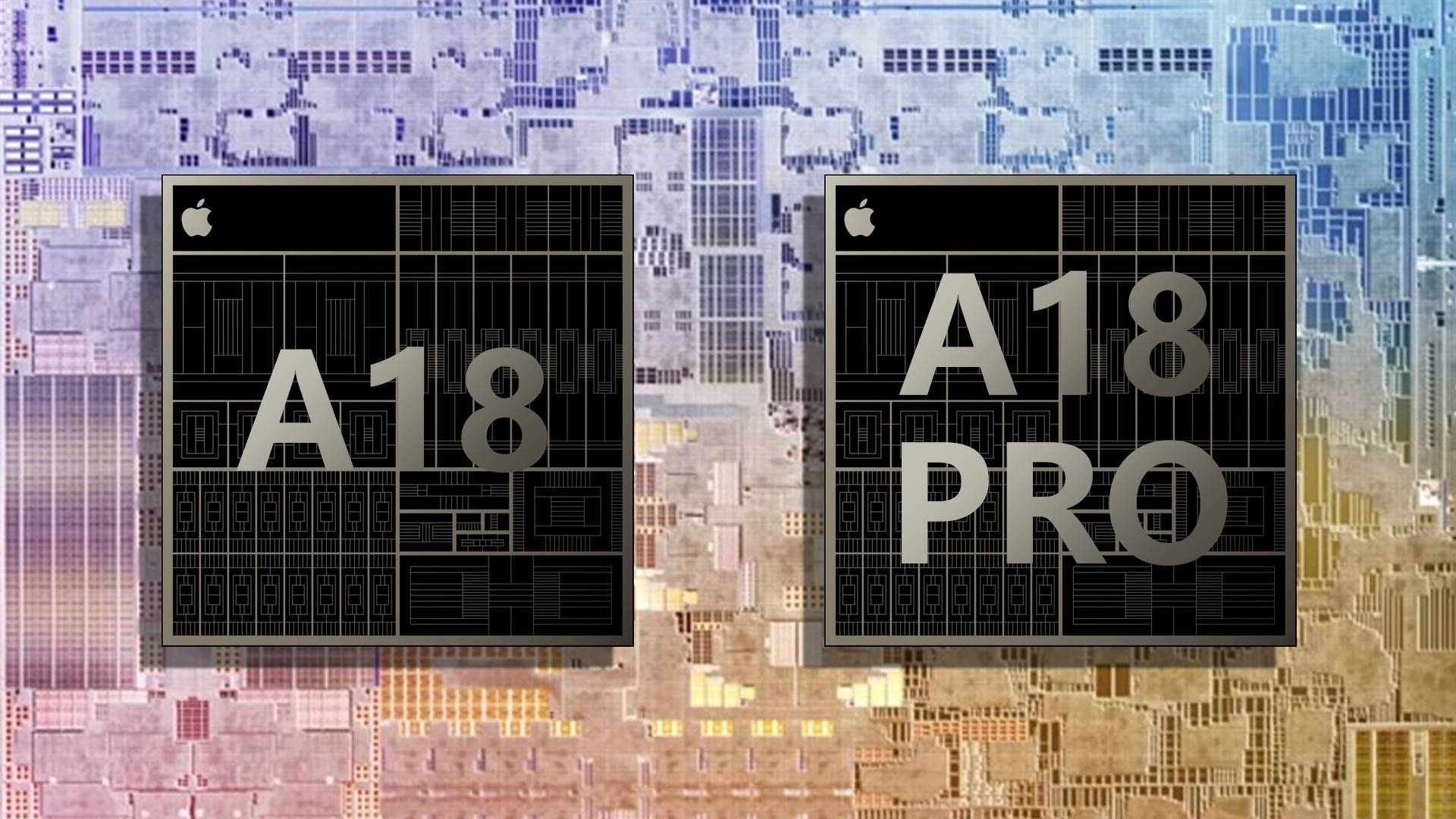
Apple’s approach to distinguishing the ‘Pro’ versions of its iPhone lineup has evolved in recent years, frequently through hardware disparities, particularly when it comes to the chipset. With this historical backdrop, anticipation builds around the potential specification differences—or lack thereof—between the ‘Pro’ and non-Pro models in the upcoming iPhone 16 series.
Apple’s Historical Chipset Differentiation
Historically, Apple’s ‘Pro’ models have been powered by superior chipsets compared to their standard counterparts. For instance, the iPhone 13 Pro series boasted a 5-core GPU, elevated above the 4-core GPU in the non-Pro models. This trend of differentiation continued and even expanded with each new launch, culminating in the iPhone 15 Pro series receiving the first 3nm SoC, the A17 Pro, while the iPhone 15 and iPhone 15 Plus maintained the A16 Bionic—a chipset previously used in the iPhone 14 Pro series.
Will the iPhone 16 Series Break the Pattern?
The big question now is whether Apple will instigate a shift in strategy by standardizing the A18 chipset across the entire iPhone 16 range. Leaks about iOS code and potential Geekbench scores have surfaced, hinting that all iPhone 16 models may indeed share the A18 chipset. However, the possibility of an A18 Pro variant still looms, potentially earmarked for the high-end models in the series.
What to Expect from the A18 and A18 Pro?
It’s speculated that Apple might repurpose the A17 Pro’s architecture and produce mass quantities on TSMC’s improved 3nm technology, branding it as the A18 for marketing purposes. This shift to a second-generation 3nm process, much like the step from M3 to M4, could enhance performance while optimizing production costs. It’s important to remember that despite this rebranding, the powerful legacy A17 Pro already powers advanced features like Apple Intelligence, indicating a strong performance baseline for the forthcoming A18 in the iPhone 16 and iPhone 16 Plus.
As for the rumored A18 Pro, it’s expected to maintain the same CPU cluster as the A17 Pro, sporting a mix of performance and efficiency cores. Even though GPU core counts may not increase, architectural improvements could lead to tangible performance gains.
Moreover, speculation suggests that enhancements to the A18’s Neural Engine could surpass those in the M4, potentially invigorating on-device generative AI capabilities. If Apple opts for larger die sizes for its upcoming chipsets, this could accommodate a more substantial Neural Engine. Nevertheless, efficient thermal management will be crucial to unlock the full potential of these new chipsets.
Conclusion: Diverging or Unifying the iPhone 16 Series?
Considering the leaked information and existing patterns, it’s conceivable that both the A18 and A18 Pro will find their way into distinct iPhone 16 models. However, only time will tell whether Apple will maintain a clear hardware distinction between the ‘Pro’ and non-Pro variants or opt for a new, unified approach.
We encourage readers to share their thoughts and engage in the conversation surrounding Apple’s chipset deployment strategy for the iPhone 16 series.