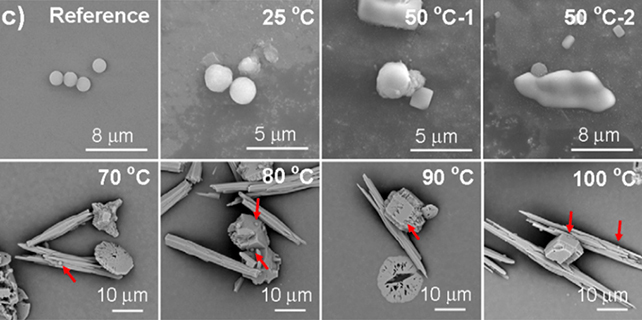
In recent times, scientists have made significant discoveries regarding the reduction of nanoplastics and microplastics in our water supply. A study from a dedicated team at Guangzhou Medical University and Jinan University in China has shown promising results indicating that boiling and filtering home tap water could reduce nanoplastic and microplastic content by a considerable amount.
Plastics can be beneficial due to their durability and versatility, but the downside is their presence in the environment, particularly in the water we consume. This can introduce plastic particles into the human body with potential long-term health effects. The recent research from the Chinese scientists introduced nanoplastics and microplastics, abbreviated as NMPs, into water samples, which were then boiled and filtered. They discovered that this method proved effective in significantly lessening the concentration of NMPs, achieving a reduction of up to 90 percent in some cases.
With such simple techniques requiring no high-end technology or specialized equipment, homeowners can potentially protect themselves from unwanted plastic ingestion. The research, published in a February journal article, highlighted that boiled tap water could be an easily adopted practice for mitigating human intake of these plastic particles.
It’s important to note, however, that boiling water could remove essential minerals and salts. Consequently, individuals who use this method to purify their water might need to consider mineral and salt supplementation to maintain a balanced diet. Animal studies, including those on mice, have found that plastic particles can make their way into every organ, suggesting a similar pattern could occur in humans. Some documented effects of ingesting plastic particles involve changes in the gut microbiome and an impact on antibiotic resistance, but research on the topic is still evolving.
For those interested in exploring the subject further, the book “A Poison Like No Other: How Microplastics Corrupted Our Planet and Our Bodies” by Matt Simon offers extensive insights. It elaborates on the pervasiveness of microplastics in our environment and the potential consequences for human health, available in multiple formats for a broad readership.
In conclusion, the fight against microplastics in our water is gaining ground with practical, home-based solutions that can significantly reduce their presence. While more research is necessary to fully understand the long-term human health consequences, leveraging simple methods such as boiling and filtering tap water can serve as an immediate step toward decreasing plastic ingestion. It’s a topic that touches on environmental health, personal well-being, and our collective responsibility to address the challenges posed by plastic pollution.


