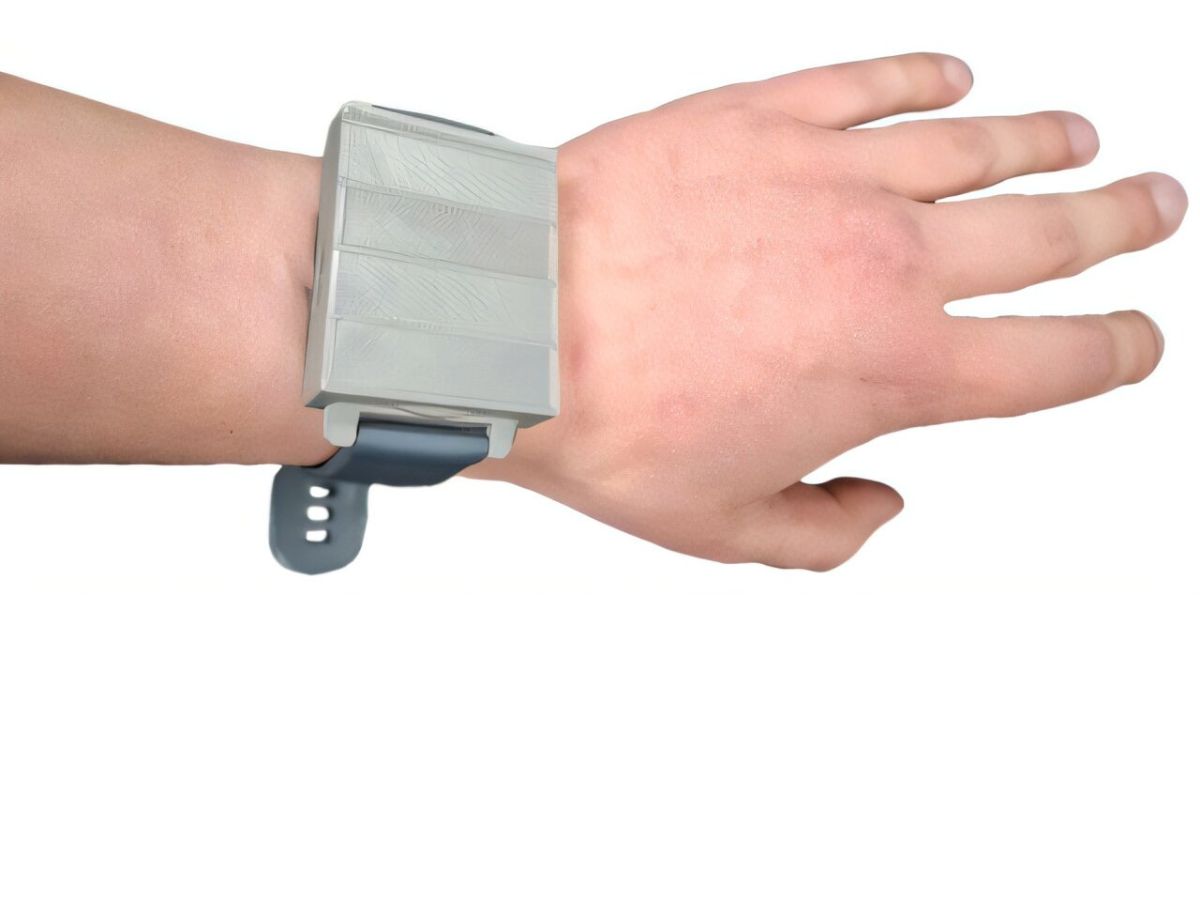
A smartwatch-like prototype could one day make it much easier to detect microplastics inside the human body, without needles or expensive lab work. Researchers at the University of Tartu in Estonia have created a low-cost wearable concept called SWAN that uses optical sensors to spot plastic particles through the skin, offering a potential alternative to traditional blood testing.
Concern about microplastics has grown rapidly as scientists continue finding these tiny plastic fragments in the air we breathe, the water we drink, and even in human blood and brain tissue. Some research suggests microplastics may be linked to inflammation and metabolic problems, but accurately tracking personal exposure is still difficult. Right now, the most reliable methods typically involve invasive blood draws and specialized testing, which can be pricey and impractical for everyday monitoring.
SWAN is designed to change that by using spectrometry, a light-based method that identifies materials by how they interact with specific wavelengths. In simple terms, the device shines carefully selected light into the body and measures the light that reflects back. Because different plastics produce distinct optical “signatures,” the sensors can recognize common plastics based on the patterns returned.
According to the research team, the prototype can detect particles as small as a grain of salt. It also performed consistently across different skin tones and didn’t interfere with typical wearable health tracking functions like heart rate monitoring—an important detail if the goal is to eventually combine microplastic detection with everyday fitness and wellness wearables.
Another key point is affordability. The prototype was built entirely from readily available, off-the-shelf parts and costs roughly $105 to assemble. Its core components include an ESP32-WROOM-32E microcontroller, an AS7265X miniature spectrometer, and three LEDs, keeping the system relatively simple while still capable of meaningful optical measurements.
Instead of moving straight to human trials, the researchers first validated SWAN using artificial skin and biological tissue models, including gelatin-based “phantoms” and pig skin. Lead researcher Kevin Post explained that the device tests a spectrum of wavelengths that includes portions of ultraviolet light, and the team wanted to understand how each wavelength affects measurement accuracy while staying cautious about safety. Even though the experiments used low UV intensities, high-intensity UV exposure is known to carry health risks. As a result, the team followed standard wearable development practice by confirming safety and performance under controlled conditions before progressing further.
While the technology is still in the early stages and likely far from mainstream adoption, the long-term idea is compelling: microplastic monitoring that’s as easy as checking your steps. If future studies confirm safety and accuracy in real-world use, similar sensors could eventually be integrated into familiar consumer devices like smartwatches and smart rings, making microplastic exposure tracking far more accessible for everyday users.


