Ford, the iconic American automaker, has hit a rough patch in its journey toward electrification. The company’s Model e division, dedicated to electric vehicles (EV), has been suffering heavy losses that have escalated to an average of $130,000 per vehicle sold. In response to these financial difficulties, Ford has reportedly made substantial cutbacks in battery orders, a move indicative of a broader reassessment of its EV production strategy.
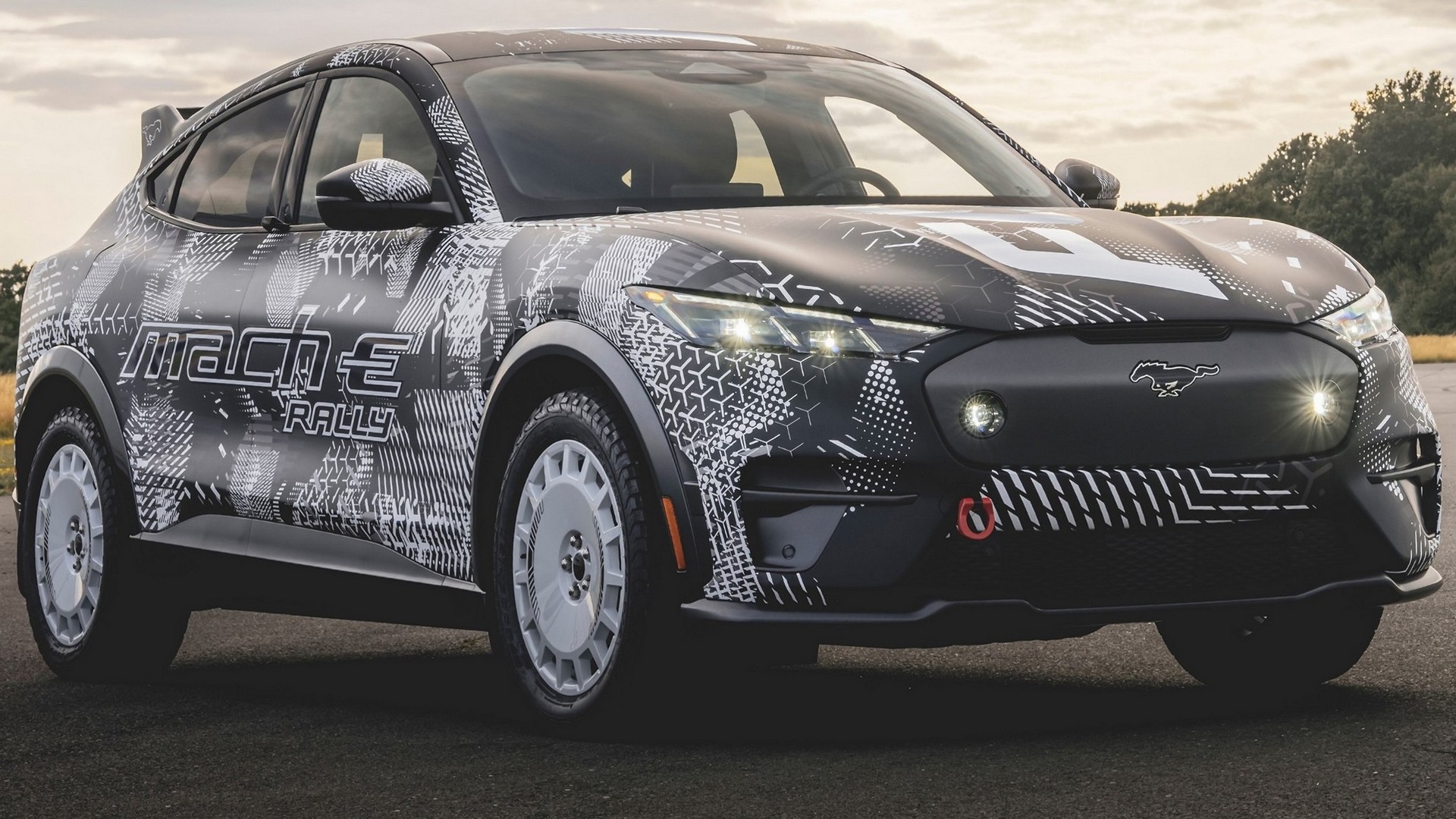
The Mustang Mach-e, despite initially facing high demand, seems to be caught in the crosshairs of Ford’s challenges. Changes in the automotive market and consumer demand have prompted the company to reconsider its ambitious plan for a fully electric lineup in Europe by 2030.
A Bloomberg report citing industry insiders suggests that Ford is recalibrating its approach to manage the economic impacts of declining demand for its electric offerings. This report follows a financial statement indicating that, despite experiencing a nearly 97% increase in EV sales year-over-year in April, the financial sustainability of Ford’s Model e division has worsened significantly.
This increase in losses per EV is staggering when compared to the previous year, with the losses more than doubling from just over $58,000. Such figures are concerning against a backdrop of rising competition, particularly from Chinese EV manufacturers like BYD, and aggressive pricing strategies from Tesla, which has initiated a price war within the industry.
Despite these struggles, Ford’s CEO Jim Farley has suggested that the company is not retreating from the electric vehicle market. Instead, it plans to compete by focusing on a new compact EV that could offer a more affordable option compared to its current lineup.
Ford’s ongoing adjustments display a company grappling with the rapidly evolving EV landscape, where increasing competition and varying consumer demand are reshaping traditional automakers’ strategies. Investments in more competitively priced electric models could be Ford’s key to gaining ground in this high-stakes market.
As the situation develops, consumers and industry observers alike will be watching closely to see how Ford adapts its electric vehicle offerings and whether it can navigate the complex economics of EV production to emerge as a stronger competitor in the electrified future of transportation.