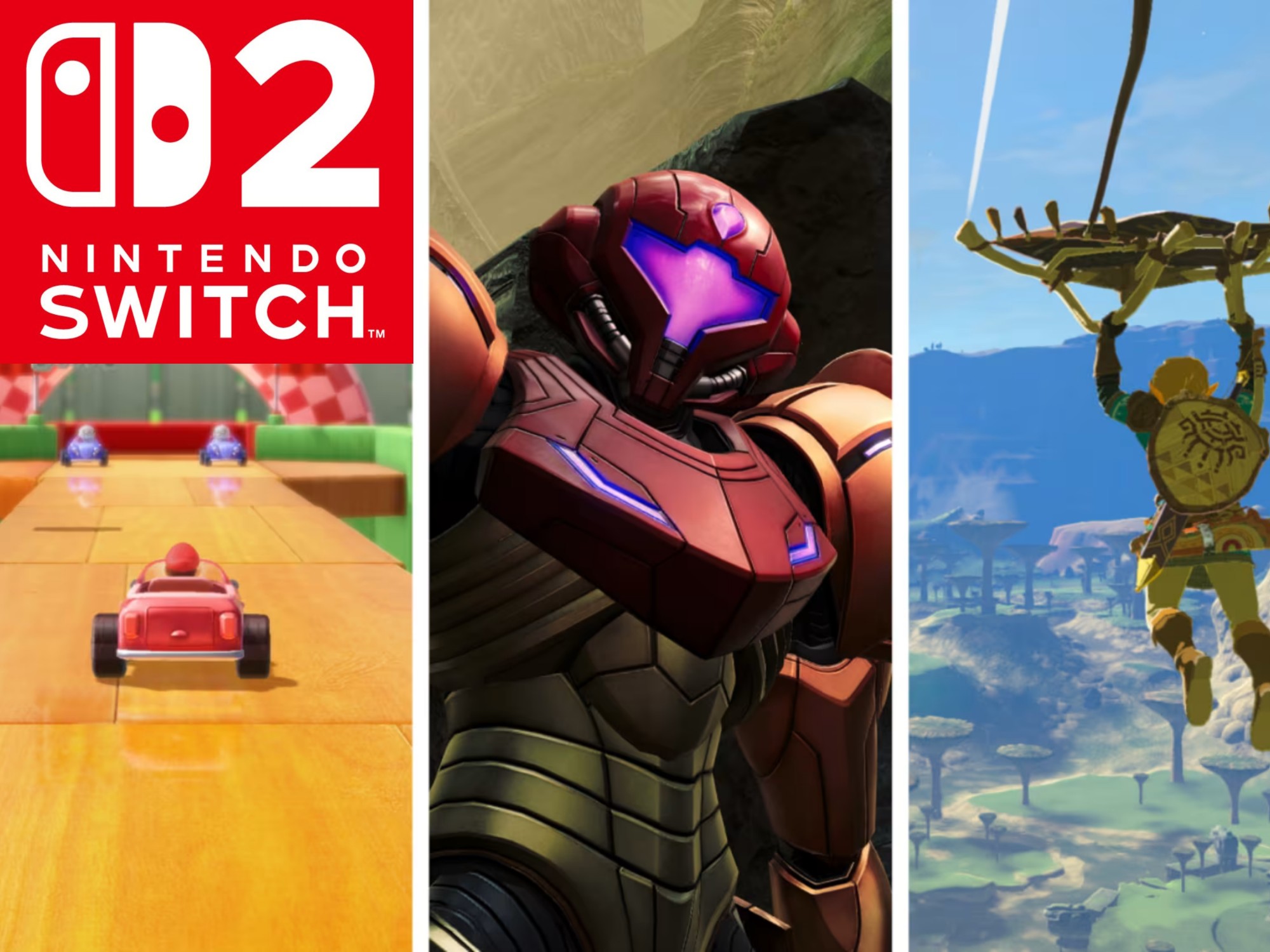
Nintendo Switch 2 rockets past 10 million sales, but game purchases aren’t keeping pace
Nintendo’s newest console is off to a blazing start, with 10.36 million Switch 2 units sold. That puts the hardware ahead of the original Switch at a comparable point in its life cycle. The surprise is on the software side: players aren’t buying new Switch 2 games as quickly as expected.
According to the latest financials, Switch 2 software has reached 20.62 million units through September 2025. That’s roughly a 2:1 attach rate. By contrast, the original Switch had around a 3:1 ratio at this stage, meaning it sold about three games for every console. Analysts caution that if game sales stay soft next term, it could weigh on investor sentiment and the company’s share price, since software carries higher margins than hardware.
Why the gap? Strategy and timing. Nintendo’s early focus has been to get hardware into as many homes as possible, leveraging the system’s robust backward compatibility. Many buyers are happily playing upgraded or original versions of existing Switch titles rather than stocking up on brand-new releases. A popular Mario Kart World bundle helped, but first-party output in the first four months has been comparatively light. The real test will come as headline releases arrive: Metroid Prime 4: Beyond and Pokémon Legends: Z-A should meaningfully lift next-gen software uptake once they land.
There’s also an important wrinkle in how sales are counted. Some observers note that digital upgrade purchases for Switch 2 may be recorded under legacy Switch revenue, and that certain digital-only transactions aren’t fully reflected in the same buckets analysts are comparing. If so, current attach-rate math could be understating next-gen software momentum.
For now, Nintendo appears comfortable prioritizing a massive installed base, confident that a strong pipeline will convert hardware owners into game buyers. Backward compatibility keeps players engaged, while free and paid upgrade paths help smooth the transition to new hardware. The upside is clear: once the first-party lineup expands, the Switch 2’s software curve could accelerate quickly. The risk is equally clear: if big releases slip or underperform, slower game sales could blunt the console’s early hardware success.
What to watch next:
– Holiday-season bundles and limited editions that can boost both hardware and software
– Attach-rate changes after tentpole launches like Metroid Prime 4: Beyond and Pokémon Legends: Z-A
– How Nintendo classifies digital upgrades and digital-only sales in future reports
– Third-party support and whether major franchises lean into Switch 2 enhancements
Bottom line: Switch 2 hardware is a hit, and the software story is still being written. With a strong slate ahead and millions of eager owners already on board, the next few quarters will reveal whether Nintendo can turn blazing console sales into equally impressive game revenue.