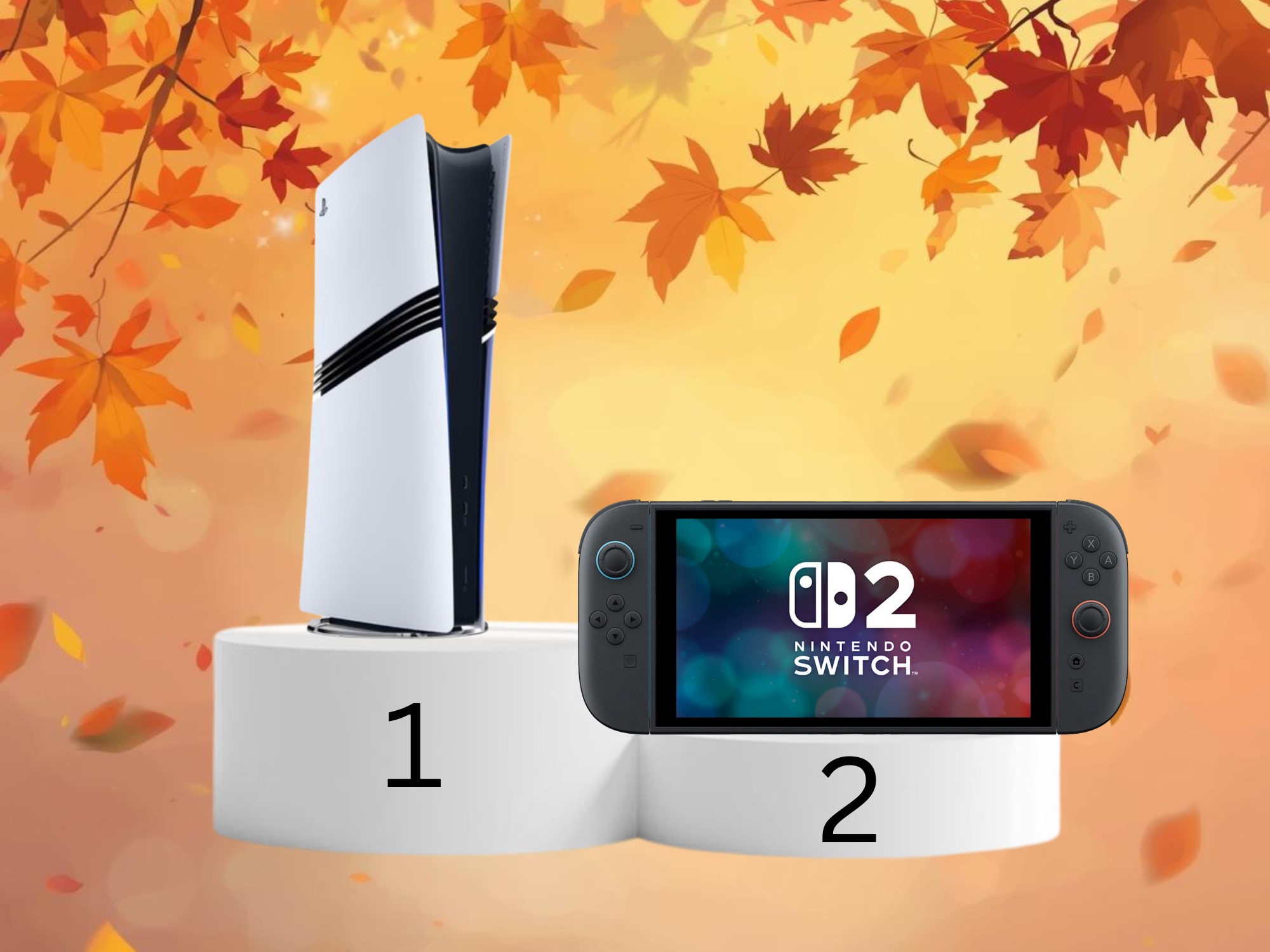
In a surprise shake-up for U.S. console sales, the PlayStation 5 climbed back to the top spot in November 2025, ending a months-long run that began when Nintendo’s Switch 2 launched in June. While the Switch 2 has been a major win for Nintendo overall, the latest retail rankings show Sony’s PS5 proving it still has plenty of momentum—especially during the most important shopping stretch of the year.
The bigger story, though, isn’t just who finished first. It’s what the numbers say about the health of the entire console market heading into 2026.
PS5 retakes the No. 1 ranking as Switch 2 cools slightly
Since its debut, the Switch 2 has consistently outperformed expectations and quickly became one of the strongest hardware launches on record. But in November, U.S. buyers pushed PS5 sales to the top of the monthly charts for the first time since the Switch 2 arrived.
Industry analyst Mat Piscatella urged gamers not to treat this as a sign that Switch 2 demand is collapsing. He pointed out that the Switch 2 is still the fastest-selling console since industry tracking began. One possible explanation for the November shift is timing: a large supply at launch may have pulled forward a wave of early purchases, leaving fewer late-year buyers than usual.
Xbox struggles, while an unexpected device beats Microsoft
With shoppers facing higher prices across the board, November also exposed how tough the market has become for premium hardware. Xbox Series X and Series S sales fell behind during the busy retail month. In an eye-catching twist, Microsoft’s consoles were even outpaced by the Nex Playground, a motion-controlled system aimed at family-friendly play.
Even with that oddball result, the overall landscape remains familiar: Sony and Nintendo continue to dominate the console competition, swapping monthly wins depending on price, availability, and seasonal promotions.
Black Friday pricing helped PS5, while Switch 2 discounts were rarer
A key factor behind the PS5’s November rebound appears to be aggressive holiday pricing. Sony benefited from widely available Black Friday deals, giving price-sensitive buyers a reason to jump in.
Nintendo’s Switch 2, on the other hand, is notably more expensive than the original Switch, and discounts were reportedly less common. That difference matters in a strained economy where shoppers are paying closer attention to total cost—especially for big-ticket gaming purchases.
Console sales are dropping fast, and the market is sending warning signs
Even with PS5 and Switch 2 battling for the top position, the broader console market is shrinking compared to last year. Total U.S. console sales in November 2025 declined 27% year over year. Spending hit about $695 million, making it the weakest November total since 2005. Unit sales also fell sharply, with roughly 1.6 million consoles sold—an unusually low figure not seen for November since 1995.
One reason is simple sticker shock. The average hardware purchase was around $439, which is a steep ask for many households. Research comparing historical console pricing to inflation suggests that a five-year-old system would typically be far cheaper in real terms. And manufacturing pressures haven’t gone away either: ongoing increases in memory and storage costs could push console prices even higher in the future, making it harder for the market to rebound.
PS5 remains strong worldwide, not just in the U.S.
While the Switch 2 had held the U.S. lead for months, Sony’s strength isn’t limited to North America. PS5 sales have continued to perform well globally, and PlayStation has already reclaimed the top position in several European countries. In other words, November may be less about a sudden Switch 2 problem and more about PS5 staying durable late in its lifecycle—especially when discounts hit at the right moment.
What this means for gamers heading into 2026
The November 2025 rankings show a competitive race between PS5 and Switch 2, but they also highlight a more pressing issue: overall console demand is slowing as prices rise and budgets tighten. If hardware costs continue climbing, next year could bring more cautious buying behavior across every platform—no matter who “wins” the monthly chart.
For now, the takeaway is clear: PS5 is far from fading, Switch 2 is still historically strong, and the real battle may be convincing shoppers that new consoles are worth today’s premium prices.