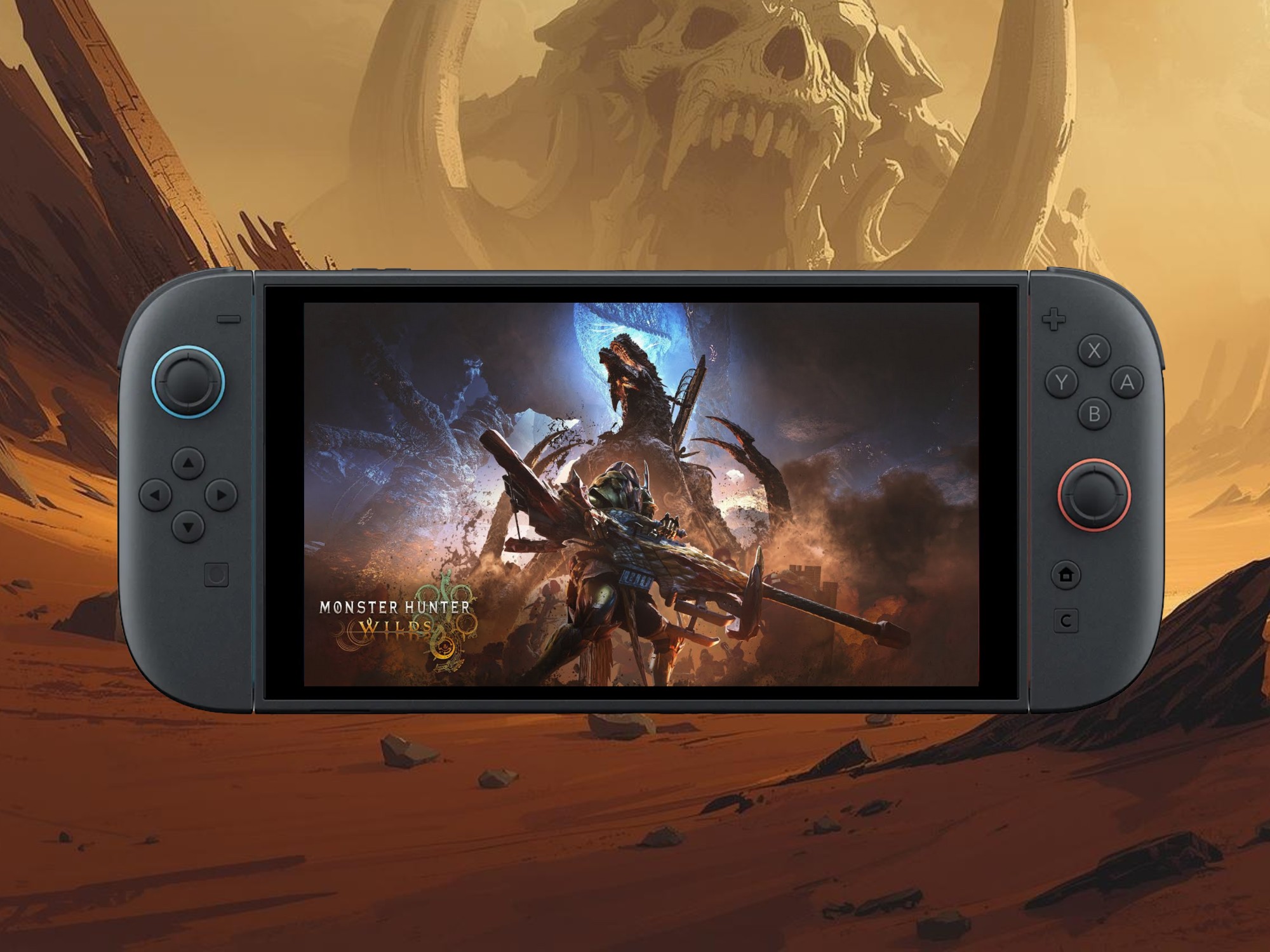
Rumors about a Monster Hunter Wilds Switch 2 version are heating up again, even though Capcom still hasn’t officially confirmed a port for Nintendo’s new handheld. With Capcom’s long history of supporting Nintendo platforms, many players assumed a Switch 2 edition would eventually happen—but the game’s early performance concerns on other systems made that far less certain.
Now, a recent datamine tied to Monster Hunter Wilds Title Update 4 is fueling fresh speculation. A Reddit user, STRCoolerSimp, reported finding references in the game’s 1.040 patch that appear to point directly to a Switch 2 release. The most attention-grabbing string is “nsw2UpgradeEdition,” along with another reference that reads “NSW2.user.” For many fans, “NSW2” is difficult to interpret as anything other than Nintendo Switch 2, which makes the discovery feel like more than coincidence.
Interestingly, the wording suggests this might not be a simple port. The “UpgradeEdition” label has players wondering if Capcom could be planning a Switch 2 version positioned as an enhanced release—potentially with extra content or features compared to the base editions. While nothing here is official confirmation, the nature of these platform-specific labels is exactly the kind of thing that often appears when a build is being prepared internally.
The big question is whether Monster Hunter Wilds can run well on Switch 2 hardware. Even after Title Update 4, opinions are mixed on how much performance has improved overall, and some PC players still feel the game leaves headroom untapped at higher settings. On the console side, the game reportedly struggles on Xbox Series S, a system often viewed as a useful comparison point when discussing how demanding games might translate to a handheld-style platform.
That said, Switch 2 may have a few advantages that could make the difference. One major boost is DLSS, Nvidia’s AI-based upscaling technology, which can help demanding games look sharper and run smoother without requiring the same raw performance as native rendering. DLSS has already proven helpful in other visually intensive titles, and Capcom has experience using similar tech to keep performance steady, such as holding 60 fps in Street Fighter 6 during matches.
Capcom could also pursue a more tailored development approach—building the Switch 2 edition with the platform’s strengths and constraints in mind, rather than relying on a quick conversion. Fans point to Monster Hunter Rise as an example of what can happen when a Monster Hunter game is designed around Nintendo hardware first. However, that path may be less likely here since Monster Hunter Wilds launched as a multi-platform release from the start.
Even with the technical challenges, the business case for a Monster Hunter Wilds Switch 2 port remains strong. Capcom leadership has previously suggested that hardware pricing may have affected the game’s momentum in Japan, where handheld gaming has historically performed extremely well. With Switch 2 reportedly gaining traction in that market, bringing Monster Hunter Wilds to the system could be a strategic move—especially if Capcom can deliver a version that feels optimized rather than compromised.
For now, the datamine doesn’t replace an announcement, but it does add real fuel to the idea that a Monster Hunter Wilds Switch 2 release is more than just wishful thinking. Fans will be watching closely for what comes next—whether that’s another update that reveals more clues, or the moment Capcom finally makes it official.