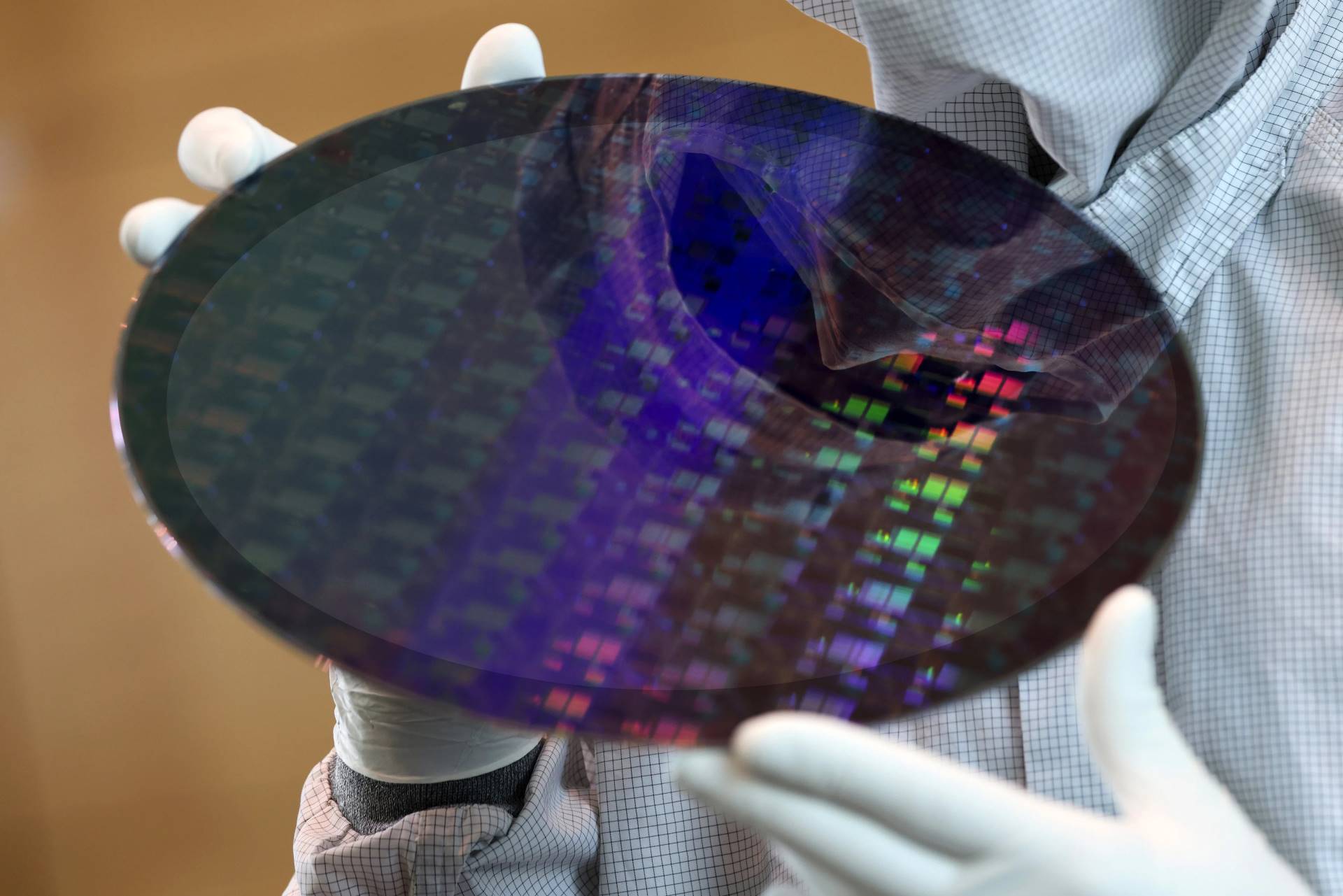
TSMC’s next-generation 2nm manufacturing is already in such high demand that supply is tightening fast. New reports indicate the company’s 2nm wafer capacity is effectively booked out through the end of 2026, creating a bottleneck just as AI chips, smartphone processors, and high-performance computing products push foundry demand to new highs.
With that pressure building, TSMC has reportedly informed customers using its most advanced processes to expect price increases for four straight years starting in 2026. Even though the first quarter is typically a quieter period for the semiconductor industry, analysts believe these higher wafer prices could help TSMC keep growth steady. Customers, however, may need to plan ahead, because the first wave of increases is expected to kick in beginning on New Year’s Day.
For 2nm specifically, the expected wafer price increase in 2026 is described as a single-digit percentage. The exact number may vary depending on factors such as order volume and contract terms. Some research firms estimate that pricing for leading-edge nodes could rise in the broader range of about 3 to 10 percent, reflecting how difficult it has become to expand supply quickly at the cutting edge.
TSMC’s 3nm process is also expected to face tighter availability. With 3nm capacity previously projected to hit its ceiling by 2026, the same reports suggest a supply squeeze could push 3nm wafer pricing up by around 3 percent in 2026 as well. In other words, it’s not just 2nm feeling the heat—demand is stacking up across multiple advanced nodes.
Despite the potential for rising costs, customers appear unwilling to slow down. While alternatives exist, TSMC’s track record for yield, reliability, and large-scale production continues to make it the preferred choice for many major chip designers. At the same time, the company is wrestling with the downside of overwhelming success: booming AI-related demand has contributed to labor constraints and a sharp rise in capital spending as TSMC races to add capacity.
A major driver behind the early 2nm capacity crunch is Apple. After reportedly being TSMC’s largest customer in 2024—accounting for roughly 24 percent of total revenue—Apple is said to have secured more than half of the initial 2nm output. That capacity is expected to support future chips such as the A20 and A20 Pro, leaving other big names like Qualcomm and MediaTek with fewer near-term options. They may have to accept limited availability at first or target a more advanced variant of the 2nm process, often referred to as N2P.
To ease the pressure, TSMC is building three facilities dedicated to 2nm production. However, even once the buildings are ready, it takes time to install equipment, qualify processes, and ramp manufacturing to meaningful volume. Until then, the combination of heavy demand and constrained supply is setting the stage for higher prices and fierce competition for wafer allocation across the industry.