PC and server buyers are getting hit with a major cost spike in early 2026, as memory and NAND flash prices continue to climb at a pace the industry hasn’t seen in years. New figures tracked through February 2026 show that Q1 2026 has already delivered a surge of more than 90% on average, and the next quarter could bring another 15% to 20% increase.
The latest analysis from Counterpoint’s memory price tracker points to a market being squeezed by widespread DRAM and NAND shortages, with demand from both consumer devices and data centers colliding with the ongoing AI boom. The result is record-breaking pricing across key categories, including DRAM, NAND, and high-bandwidth memory (HBM).
How big is the jump right now? Compared to Q4 2025, memory prices are up roughly 80% to 90% so far in Q1 2026, while NAND pricing is also racing upward. What makes this especially painful is how quickly the situation escalated. In Q4 2025, PC memory pricing was already rising by about 35% and NAND by around 20%. Servers saw even steeper increases back then, with memory up roughly 76% and NAND up about 60%. Now, Q1 2026 is shaping up to be far harsher:
For PCs, memory is estimated to jump more than 90% in Q1 2026, while NAND could exceed a 100% increase.
For servers, memory is estimated to rise more than 98%, with NAND up over 90%.
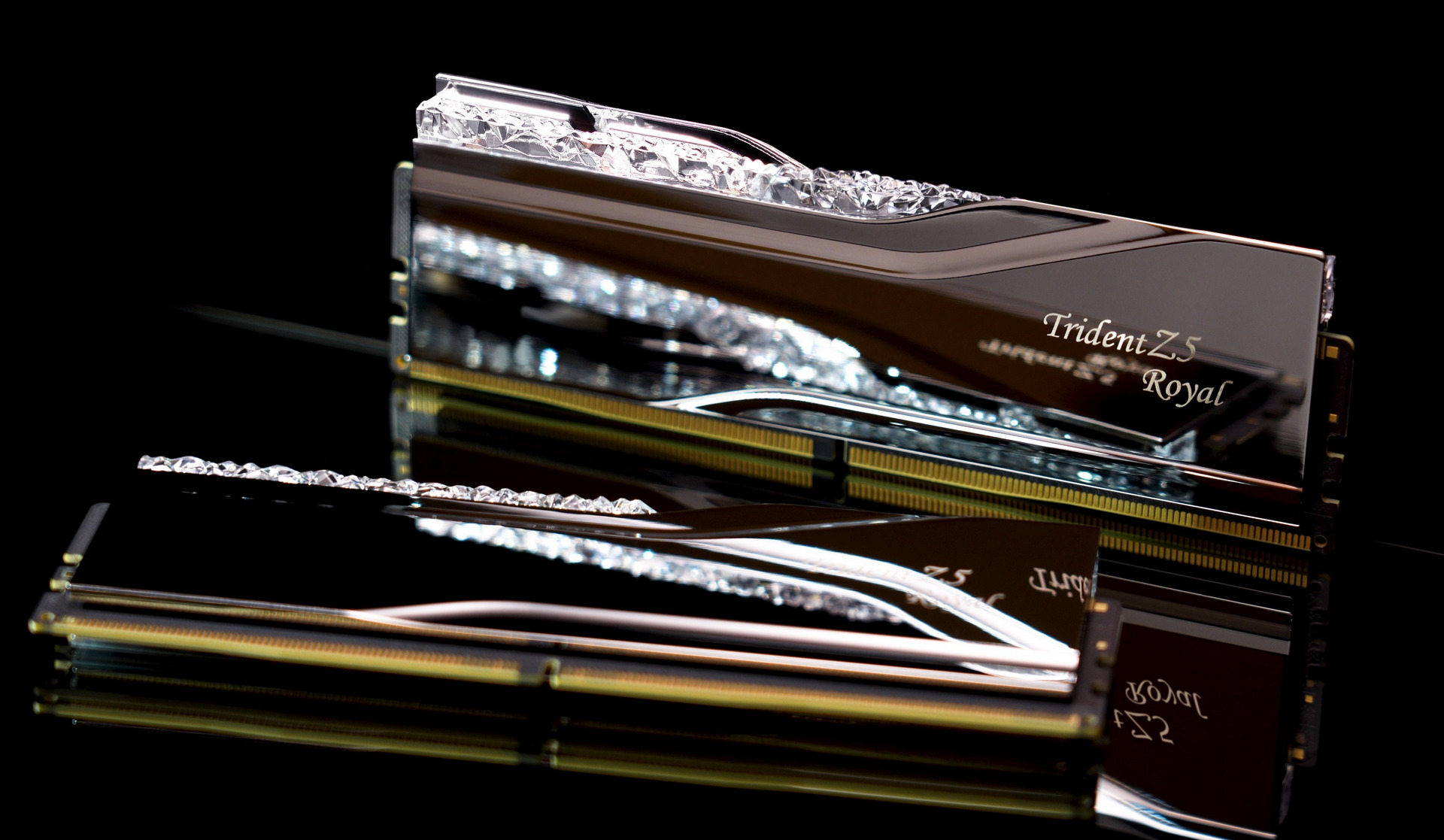
And while averages help show the overall direction, real-world pricing can look even worse depending on the product. Some premium DDR5 memory kits are reportedly selling for 3 to 5 times what they cost in Q4 2025, and NAND prices in certain segments are now accelerating at a rate similar to DRAM.
With component costs ballooning, PC and device makers are being forced to adjust. One strategy is reducing the amount of memory included in mainstream configurations to keep retail pricing from rising too sharply. Another is shifting focus toward premium lineups where higher prices are easier to justify, particularly models built around LPDDR5, where price pressure is described as more manageable than in other areas.
Counterpoint Senior Analyst Jeongku Choi described the situation as a “double whammy” for manufacturers: rising component costs combined with weakened consumer purchasing power. As prices rise, demand could start to slow later in the quarter, especially if shoppers delay upgrades or scale back spending. That puts pressure on OEMs to rethink procurement and product planning, either by changing buying patterns or pushing higher-end models that offer more perceived value.
On the supplier side, the current environment is generating unusually strong profits. Counterpoint notes that DRAM operating margins reached the 60% range in Q4 2025, a notable milestone because it marked the first time general-purpose DRAM margins surpassed HBM margins. Looking ahead, Q1 2026 is projected to push DRAM profitability beyond historical peaks, potentially setting a new benchmark for the industry. However, Choi also warned that if pricing and margins climb to extreme highs, any future downturn could look even more severe.
As for what comes next, Q2 2026 is expected to bring another 15% to 20% average increase, but the final outcome will depend heavily on how demand evolves—especially from AI-driven infrastructure spending. If orders accelerate further, it could tighten supply even more across both client PCs and the data center market.
Although there have been mentions in the wider industry that pricing may start to level off, other forecasts still suggest these elevated trends could persist well into 2027, with more meaningful normalization potentially not arriving until the second half of 2027 or even early 2028. For consumers and businesses hoping for quick relief on SSDs, RAM, and server upgrades, that timeline suggests the pressure may last longer than many would like. In the meantime, alternative supply sources—particularly emerging Chinese memory options—are increasingly being viewed by some buyers as a potential way to soften the impact of this pricing cycle.