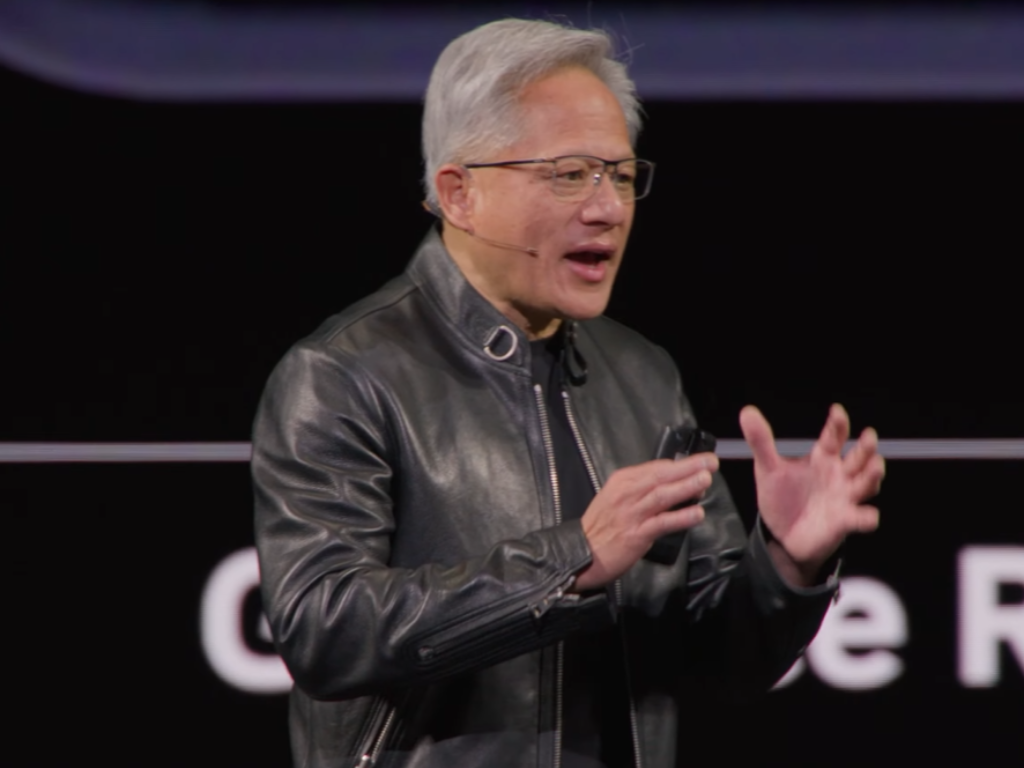
Nvidia CEO Jensen Huang is pushing back hard against a growing wave of gamer criticism aimed at DLSS 5, the company’s next-generation upscaling and image reconstruction technology revealed at GTC 2026. After early examples sparked backlash online—especially around claims that DLSS 5 “homogenizes” visuals and makes characters look strangely idealized—Huang dismissed the complaints outright, calling detractors “completely wrong.”
The controversy flared up soon after the DLSS 5 announcement, when players began sharing comparisons and screenshots from titles expected to receive DLSS 5 updates. Some argued that instead of preserving a game’s intended art style while improving image clarity, the technology appeared to push scenes toward a glossy, photorealistic look. Others described the results as “yassified,” a term used to suggest faces are being smoothed and beautified in a way that feels artificial—leading to “uncanny valley” reactions.
Much of the discussion centered on character reveals and footage from games such as Resident Evil Requiem, where players claimed the look of characters like Leon Kennedy and Grace Ashcroft appeared noticeably altered compared to the original artistic intent. Similar concerns were raised about other major titles, including Hogwarts Legacy and Starfield, with critics suggesting AI-driven rendering could blur stylistic differences between games and create a more generic visual identity.
Huang addressed the criticism during a press Q&A at GTC 2026, where he argued that the core assumption behind the backlash is mistaken. According to him, DLSS 5 isn’t a simple frame-level “filter” that sits on top of the final image. Instead, he described it as a shift toward what Nvidia calls “neural rendering,” where generative AI is applied with fine-grained control at the geometry level—meaning it can influence how textures, lighting, and detail are constructed in the rendering process rather than being slapped onto a finished frame afterward.
He also emphasized that DLSS 5 is designed to keep developers in charge. In Huang’s view, the technology is “content-controlled generative AI,” implying that any stylistic outcomes depend heavily on how a game studio chooses to implement and tune it. The message from Nvidia is clear: DLSS 5 is meant to blend traditional rendering with AI in a way that improves realism and detail while maintaining performance, but without overriding creative intent.
Even with that explanation, skepticism remains high among players who worry that widespread adoption could lead to an “AI sheen” across future releases, particularly as more big-name games are lined up for DLSS 5 support. Nvidia, meanwhile, is positioning DLSS 5 as its biggest visual leap since the arrival of ray tracing—promising more lifelike graphics without the usual performance hit.
For now, the real verdict will come from hands-on testing and real-world implementations. Nvidia says DLSS 5 will roll out gradually starting in fall 2026, which means developers and players will have time to evaluate whether it truly preserves artistic direction—or whether the fears about increasingly uniform, AI-influenced visuals are justified.