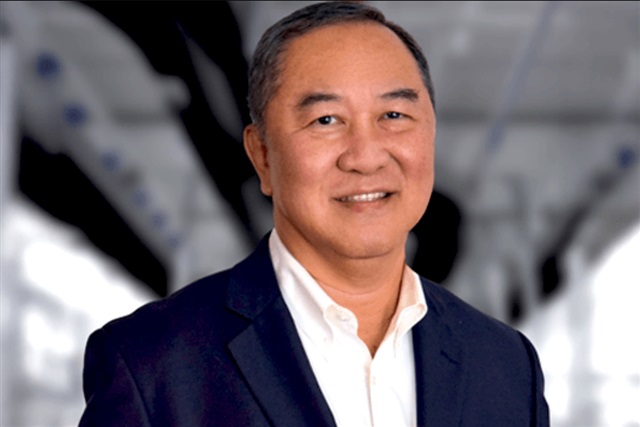
Industry veteran KC Ang has reportedly stepped down as president and head of Tata Semiconductor Manufacturing, signaling a notable leadership change at a pivotal moment for Tata Group’s semiconductor ambitions in India. The move comes as the company continues building out its chipmaking plans, a major effort closely watched by the global electronics and manufacturing ecosystem.
According to multiple India-focused business and industry reports, Ang’s exit marks a transition in leadership while Tata Semiconductor Manufacturing pushes ahead with projects tied to establishing domestic semiconductor production capacity. With India placing growing emphasis on strengthening its supply chain for chips—essential components used in smartphones, cars, consumer electronics, data centers, and industrial systems—any top-level shift inside a company of Tata’s scale is likely to draw attention from investors, partners, and policy observers.
KC Ang is widely regarded as a seasoned figure in semiconductors, and his departure is being viewed as a meaningful development as Tata continues its fab build-out and broader chip strategy. While leadership changes can be routine, they often arrive during periods of rapid expansion or organizational recalibration—especially in capital-intensive industries like semiconductor manufacturing, where timelines, partnerships, and execution discipline are crucial.
Tata’s semiconductor push is part of a broader trend: nations and major conglomerates are working to reduce dependence on a handful of manufacturing hubs and to secure stable chip supplies after years of disruptions. India’s efforts to attract chip investment and develop local fabrication capabilities have been gaining momentum, and Tata’s projects represent one of the most prominent initiatives in that national strategy.
For the semiconductor industry, the next phase will be about continuity and execution—how Tata Semiconductor Manufacturing sustains progress on its facilities, ramps up readiness, and aligns leadership priorities with long-term manufacturing goals. As new appointments and internal restructuring details emerge, the focus will remain squarely on whether development milestones stay on track and how Tata positions itself in India’s evolving semiconductor landscape.