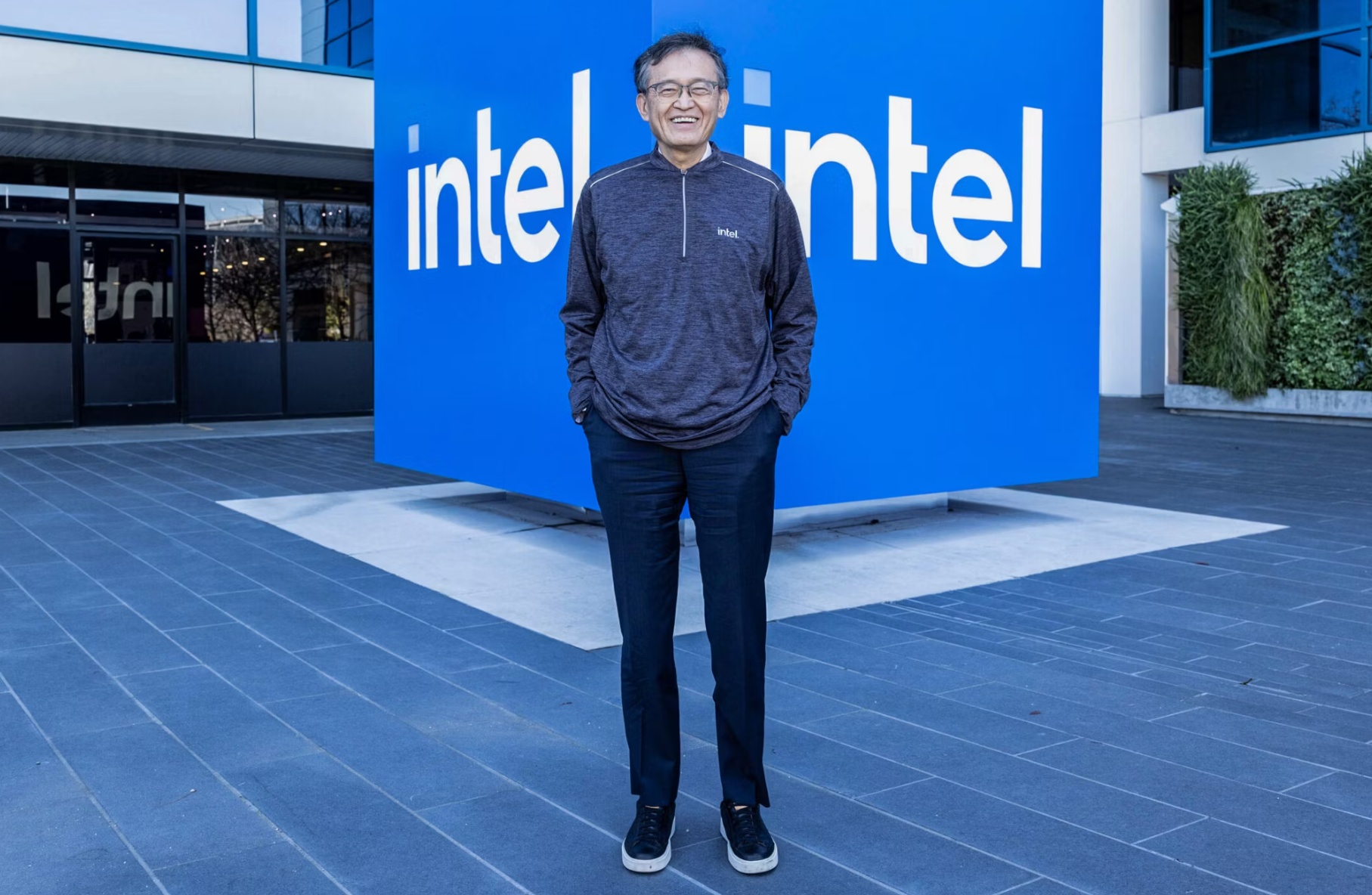
Intel CEO Says Restructuring Is 80% Complete as Chipmaker Pushes AI and Foundry Comeback
Intel CEO Lip-Bu Tan says the company’s major restructuring is now roughly 80% complete, marking a significant step in the chip giant’s effort to rebuild momentum in advanced semiconductor manufacturing, artificial intelligence, and contract chip production.
Speaking in a recent interview, Tan said he has replaced much of Intel’s senior leadership since taking over as CEO in March 2025. The shake-up is part of a broader turnaround plan designed to make Intel more competitive after years of pressure from rivals in both leading-edge chip manufacturing and AI hardware.
One of the most notable additions to Intel’s leadership team is Seok-Hee Lee, the former CEO of SK hynix. His appointment signals Intel’s focus on strengthening its technology roadmap, manufacturing execution, and position in the global semiconductor market.
The restructuring has also drawn major outside support. Nvidia purchased $5 billion worth of Intel shares, while SoftBank invested $2 billion. Investor confidence has improved sharply since Tan took charge, with Intel’s stock price reportedly rising about fourfold during his time as CEO.
Tan did not provide specific details about which parts of the restructuring remain unfinished, nor did he say when the process will be fully completed. However, his comments suggest Intel believes the most difficult internal changes are already well underway.
Intel is attempting to regain ground in advanced chip manufacturing, an area where it has fallen behind Taiwan’s TSMC. At the same time, the company is trying to strengthen its position in AI chips, where Nvidia currently dominates and other semiconductor companies are racing to expand.
Under former CEO Pat Gelsinger, Intel invested heavily in manufacturing expansion and its foundry business, aiming to produce chips not only for itself but also for outside customers. That strategy required enormous spending on factories, tools, and new production technologies. The financial pressure was clear in the third quarter of 2024, when Intel reported a net loss of $16.6 billion during a period of deep restructuring. Gelsinger stepped down in December 2024.
Tan acknowledged that rebuilding Intel’s contract manufacturing business will not happen quickly. He pointed to TSMC’s rise as an example, noting that it took the Taiwanese company roughly 10 to 20 years to become the world’s leading semiconductor foundry. Developing advanced chipmaking technology and constructing cutting-edge fabrication plants requires years of investment and billions of dollars in capital.
Government support could play an important role in Intel’s long-term recovery, according to Tan. The U.S. government previously converted allocated federal funding into an $8.9 billion investment in Intel, taking a 9.9% stake in the company. After a later share offering, that stake dropped to around 8.2%.
Tan said the U.S. administration is not using its ownership stake to direct Intel’s strategy. He emphasized that Intel remains independent in its business decisions, including its plans for manufacturing, AI, and foundry services.
The Intel CEO also addressed rising competition from China’s semiconductor industry. He said both American and Chinese companies have their own strengths and weaknesses, and that the key question is which technologies provide the best solutions for consumers and enterprise customers. He also noted that geopolitical restrictions remain an important factor in the global chip industry.
When asked whether China could catch up with the United States in semiconductor technology within the next five to ten years, Tan said Chinese companies are “not that far behind” already.
Intel’s turnaround remains one of the most closely watched stories in the semiconductor industry. The company is trying to compete on several fronts at once: advanced manufacturing, AI processors, data center chips, and foundry services. While the restructuring appears to be nearing its final stretch, Tan’s comments make clear that Intel’s full recovery will be a long-term effort rather than a quick reset.


