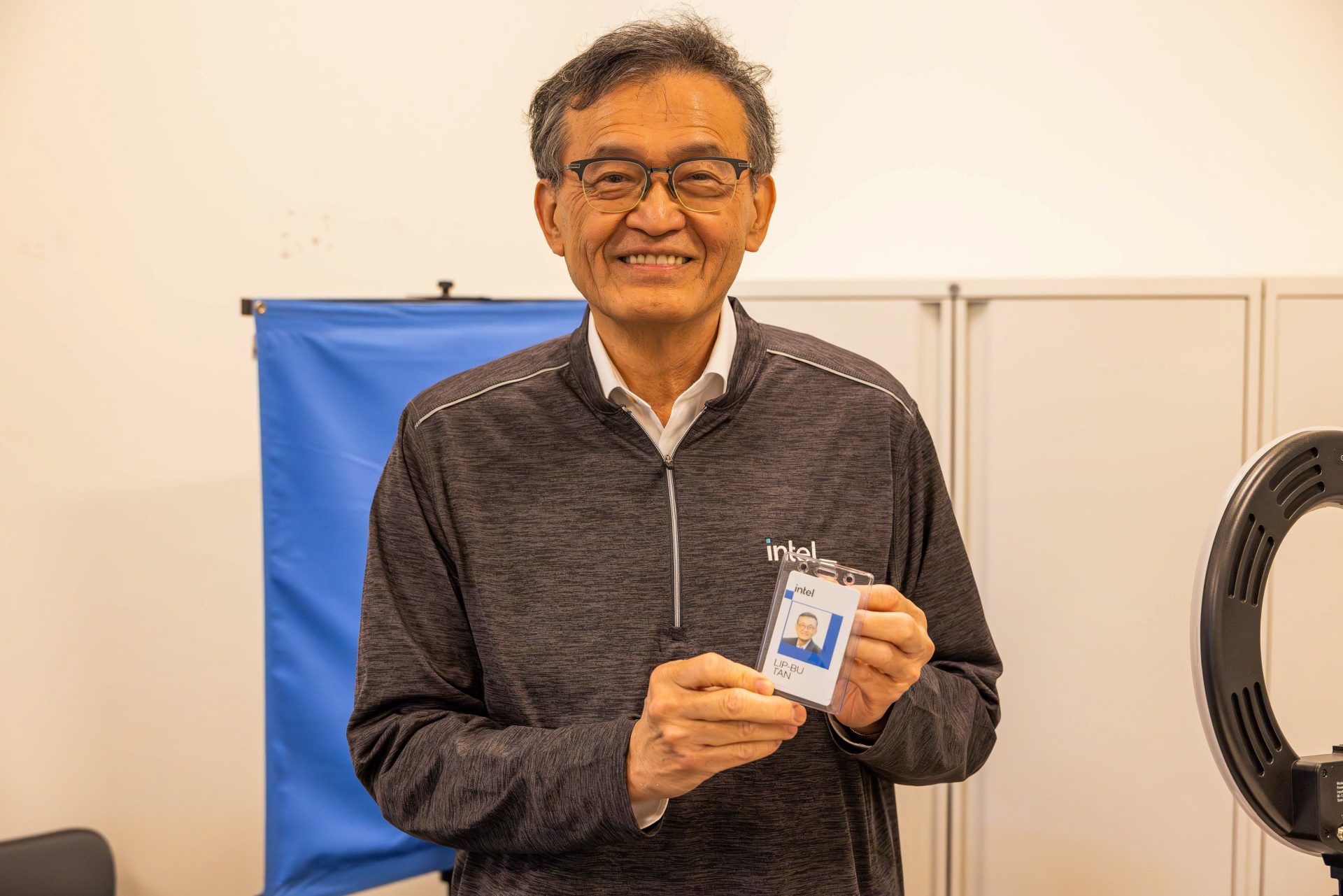
Intel CEO Lip-Bu Tan Sees TSMC as a Partner, Not an Enemy, as Turnaround Efforts Intensify
Intel CEO Lip-Bu Tan is taking a notably different approach to competition in the semiconductor industry. While Intel is working to strengthen its position as a standalone foundry business, Tan says he does not view TSMC as a direct enemy. Instead, he sees the Taiwanese chipmaking giant as a peer, a partner, and an important part of the global semiconductor ecosystem.
Tan discussed his leadership philosophy, Intel’s turnaround strategy, and his view of major industry players during a recent interview on the A Bit Personal podcast hosted by Jodi Shelton, founder of the Global Semiconductor Alliance. His comments offer a closer look at how Intel’s new leadership is trying to rebuild confidence, improve execution, and compete in one of the most demanding technology markets in the world.
Tan took over Intel during a difficult period for the company. The chipmaker has been under pressure from several directions, including delays in advanced manufacturing, stronger competition from AMD, and TSMC’s continued dominance in contract chip production. Intel has also been working to convince major customers that its foundry business can become a serious alternative for advanced chip manufacturing.
Rather than focusing only on rivalry, Tan emphasized products, customers, and partnerships as the foundation of his strategy. That mindset appears to be shaped by his long career in technology, including his time leading Cadence through a successful turnaround and his experience in venture capital.
One of the more personal topics Tan discussed was how leaders should handle layoffs and difficult workforce decisions. According to Tan, when companies have to let people go, they must do it with “respect and caring.” He said leaders should remember that everyone makes mistakes and everyone has shortcomings, but the goal should always be to do the right thing.
Tan explained that this approach has helped him maintain strong relationships, even with people he had to remove from previous roles. Some of those individuals, he said, remain friends and later returned as investors. For Tan, the way a company treats people during hard moments says a lot about its culture and leadership.
The Intel CEO also opened up about the emotional weight of leading a major corporate turnaround. He admitted that during his first month in the role, he had trouble sleeping. The pressure, he said, comes from knowing that thousands of employees depend on the decisions made at the top.
Tan recalled advice from former Xilinx CEO Moshe Gavrielov, who told him that if 70% of his decisions were right, he would be a good CEO. That guidance appears to have helped Tan accept that no leader can be perfect, especially when managing a company as complex and strategically important as Intel.
A key part of Tan’s leadership style is his willingness to work with people others may consider competitors. He said some were surprised when he began working more closely with NVIDIA CEO Jensen Huang, given that NVIDIA is one of the most powerful companies in the AI chip market. However, that relationship produced a major result, with NVIDIA making a $5 billion investment in Intel.
Tan also spoke warmly about AMD CEO Lisa Su. Although AMD has taken market share from Intel in recent years, Tan described Su as a close friend. He noted that during his venture capital career, Su acquired three companies he was involved with. His comments suggest that Tan views the semiconductor industry as a network of long-term relationships rather than a simple battlefield of rivals.
That same philosophy applies to TSMC. Even though Intel is investing heavily in its foundry ambitions and wants to compete in advanced chip manufacturing, Tan said he sees TSMC CEO C. C. Wei as a partner, not an adversary. He believes there is enough demand in the market, especially from artificial intelligence, for multiple leading manufacturers to play important roles.
Tan also expressed deep respect for TSMC founder Morris Chang, one of the most influential figures in the history of the semiconductor industry. He said he specifically attended Computex so he could have lunch with Chang. During their conversation, Tan told Chang that without TSMC, the chip industry would not have grown the way it did.
His reasoning is simple: TSMC allowed fabless chip companies to thrive. Without a dedicated foundry partner, many chip designers would have had to build their own fabrication plants, a costly move that could have damaged profitability and slowed innovation across the sector.
Tan praised TSMC’s service to fabless customers, calling it world-class. He also said Intel expects to remain one of TSMC’s top customers, highlighting the complex relationship between the two companies. Intel may want to become a stronger foundry competitor, but it also continues to rely on TSMC for certain manufacturing needs.
According to Tan, Wei also understands the need for cooperation. The explosion in AI chip demand is so large that no single foundry may be able to satisfy the entire market. That creates room for both TSMC and Intel to participate in the next wave of semiconductor growth.
Tan’s early days at Intel were intense. He revealed that shortly after taking over, he once held 22 meetings in a single day, setting a personal record. Since then, he has adjusted his schedule to a more manageable pace, typically holding between 10 and 12 meetings per day.
His comments paint a picture of a CEO trying to balance urgency with long-term discipline. Intel’s turnaround will not happen overnight, especially in an industry where manufacturing progress can take years and customer trust must be earned step by step. Still, Tan’s approach is clear: focus on execution, treat people with respect, build partnerships where possible, and compete without burning bridges.
For Intel, the stakes are enormous. The company is attempting to regain momentum in advanced chipmaking while expanding its foundry business at a time when AI, data centers, and high-performance computing are driving massive demand. Whether Intel can close the gap with industry leaders remains to be seen, but Tan’s message suggests that he believes collaboration and competition can exist side by side.
In a semiconductor market defined by rapid innovation, global supply chain challenges, and surging AI demand, Intel’s future may depend not only on better chips, but also on stronger relationships. Tan appears to be betting that respect, partnership, and sharper execution can help Intel return to a more influential position in the global chip industry.