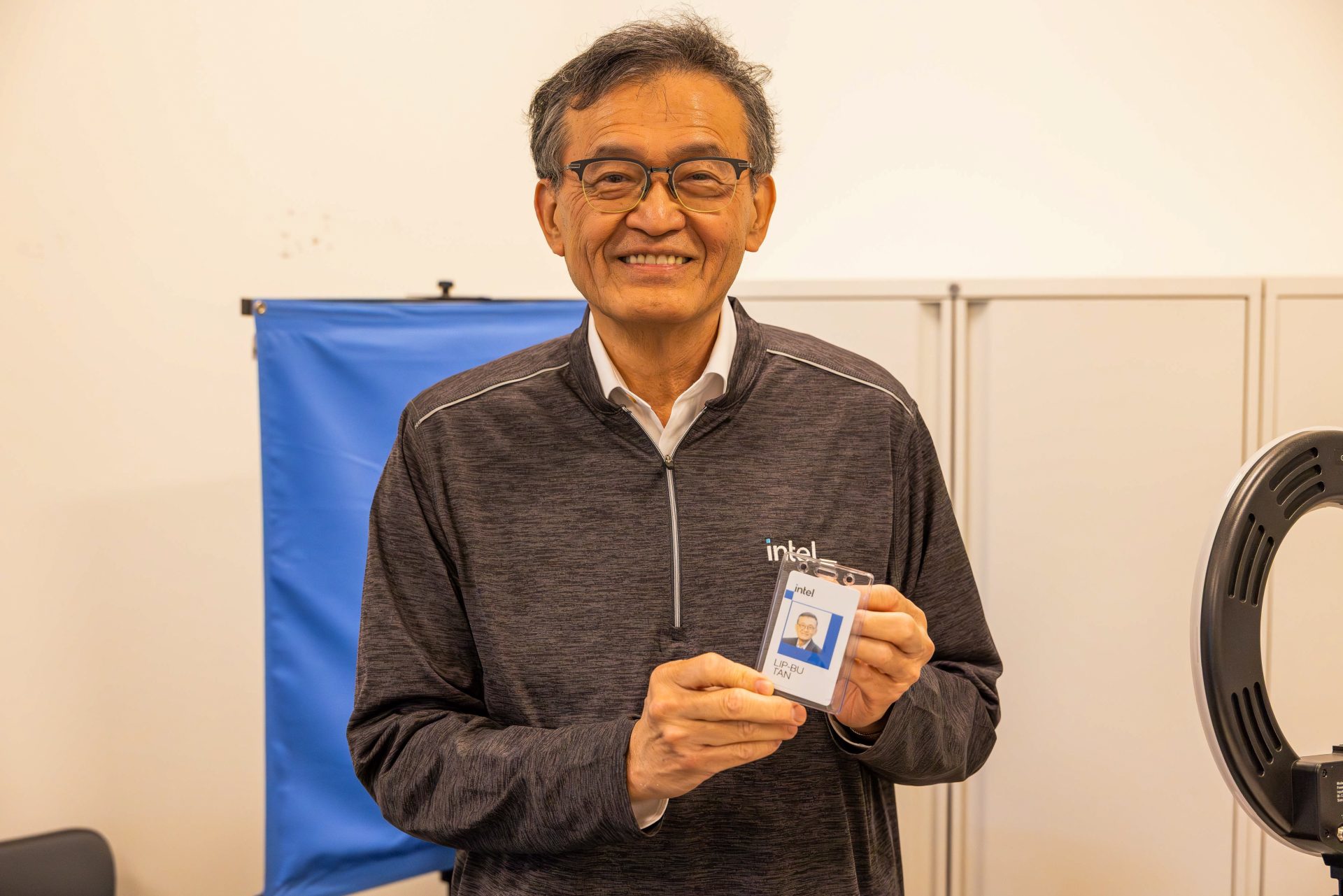
Intel CEO Lip-Bu Tan Signals Aggressive Push to Regain CPU Leadership and Expand Foundry Deals
Intel CEO Lip-Bu Tan has shared new details about the company’s strategy to regain its position in the semiconductor industry, with a strong focus on custom silicon, advanced manufacturing nodes, and deeper customer relationships.
Speaking during a recent fireside chat hosted by the Chinese American Semiconductor Professional Association, Tan said he is “very determined” to bring Intel back to CPU leadership. His comments suggest that Intel is not only trying to improve its product roadmap but also change the way it works with customers, especially in the high-performance computing, server, and artificial intelligence markets.
One of Tan’s clearest messages was that Intel needs to become more customer-focused. He acknowledged that the company has historically been too rigid, saying Intel was often reluctant to adapt its products to fit customer needs. That approach appears to be changing.
Tan said Intel is now doubling and tripling down on customized silicon, with Xeon processors being one of the key areas of focus. This is important because major cloud providers, AI companies, and enterprise customers increasingly want chips tailored for specific workloads rather than one-size-fits-all server processors.
Tan also provided an update on Intel Foundry’s next-generation manufacturing roadmap, especially the Intel 18A and 14A process nodes. According to him, Intel 18A is already in volume production, while Intel 14A is progressing strongly.
He noted that Intel already has a 0.5 Process Design Kit for 14A and expects to move to a 0.9 PDK soon, followed by a 1.0 PDK early next year for volume production readiness. In chip manufacturing, a Process Design Kit is a critical package of design rules, models, and technical data that helps customers develop chips for a specific manufacturing process.
A 0.5 PDK typically represents an early-stage version of a process node, while a 0.9 PDK indicates that the node is close to being ready for tape-out and risk production. A 1.0 PDK usually signals a more mature stage, allowing customers to move toward large-scale production.
Tan’s comments suggest that Intel is working to make 14A a major pillar of its foundry ambitions. The node is expected to attract interest from companies seeking advanced manufacturing capacity outside of the current industry leaders.
One of the most notable moments from the fireside chat came when Tan reportedly said he has spoken with AMD CEO Lisa Su about possible areas of cooperation. Intel and AMD have been fierce competitors for decades, especially in the CPU market, so any discussion of collaboration is likely to draw attention across the semiconductor industry.
While no specific partnership details were shared, the mention alone is significant. The semiconductor sector is becoming increasingly complex, and even traditional rivals may find opportunities to cooperate in areas such as packaging, manufacturing, ecosystem development, or supply chain resilience.
Tan also shared an anecdote that highlighted Intel’s need to rebuild trust with customers. According to him, one customer waited six to eight months in the hope that he would become Intel’s CEO. After Tan took the role, the customer reportedly presented a list of 15 areas where Intel was falling short.
Tan said previous Intel leadership had not always listened properly to customers and sometimes even lectured them. He said he addressed the customer’s concerns one by one, which helped rebuild confidence. The customer then indicated they were willing to “go deep” with Intel because they trusted him.
That story reflects one of the central challenges facing Intel today: winning back customers who may have lost confidence in the company’s execution, manufacturing timelines, or flexibility.
Recent industry checks also suggest Intel may be gaining traction with major technology customers. Reports indicate that Intel has secured contracts to manufacture networking switches for Broadcom and server CPUs for Google. Intel is also said to be involved in manufacturing server CPUs for Microsoft and gaming GPUs for NVIDIA.
Several other major companies are reportedly evaluating Intel’s advanced foundry processes, including Anthropic, Amazon, and SpaceX or Tesla-related projects. These companies are said to be looking at Intel 18A-P and 14A, with many observers believing 14A could become the more attractive option for future high-performance chips.
There is also speculation that Intel may have secured a multi-generation, multi-series contract involving Apple’s M-series and A-series chips on the 14A process. If accurate, such a deal would represent a major win for Intel Foundry and a strong validation of its advanced node strategy. However, this claim remains the subject of debate among semiconductor analysts, and Intel has not formally confirmed such an agreement.
At the same time, challenges remain. Advanced packaging and substrate yield rates are still critical issues for Intel’s broader manufacturing ambitions. Industry checks suggest Intel’s EMIB-T substrate yields are currently around 50% to 60% at one supplier and only 20% to 30% at another. Improving those yields will be essential if Intel wants to compete effectively in advanced AI accelerators, server processors, and complex multi-chip designs.
Tan’s remarks make it clear that Intel is trying to reposition itself on multiple fronts. The company wants to regain CPU leadership, expand its foundry business, improve customer trust, and compete more aggressively in the custom silicon market.
The road ahead will not be easy. Intel faces intense competition from established foundry leaders, fast-moving chip designers, and cloud companies building more of their own silicon. But Tan’s comments indicate a more flexible and customer-driven Intel, one that is willing to adapt its strategy to meet the demands of the modern semiconductor market.
If Intel can deliver on 18A, accelerate 14A, improve packaging yields, and secure major long-term customers, the company could become a much stronger force in the global chip manufacturing race. For now, Tan’s message is clear: Intel wants to listen more, customize more, and compete harder.


