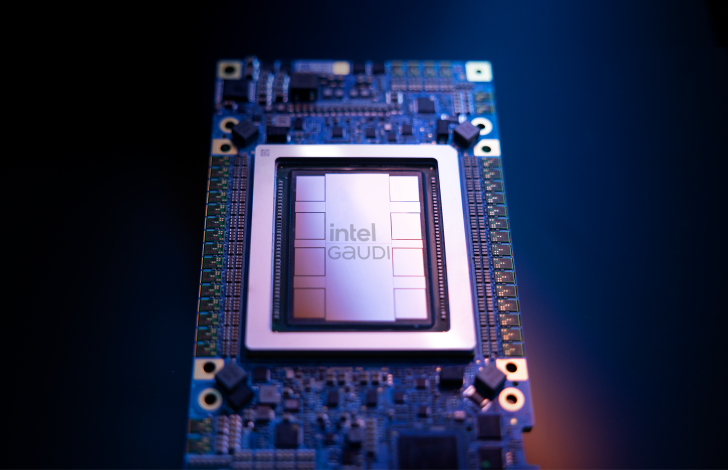
In recent developments, the US’s stringent trade policies have cast a shadow over Intel, as the chipmaker is now required to obtain an export license to sell its Gaudi chips to China. This move echoes similar constraints faced by tech giants NVIDIA and AMD, both of which have encountered substantial hurdles due to these regulations.
NVIDIA, in particular, is anticipated to endure significant financial losses, with the restriction on selling their H20 AI accelerators to China threatening billions of dollars in potential revenue. Similarly, AMD faces a challenging path without the ability to conduct direct sales in this lucrative market.
Hopes that Intel might receive special treatment, given its status as a native chipmaker, have been dashed. Reports indicate that the Gaudi chip, which boasts a DRAM bandwidth of 1,400 GB/s or higher, falls under new restrictions. This situation affects Intel’s ability to supply AI accelerators to Chinese clients, notably disrupting relationships with companies like ByteDance, who previously sought Intel’s chips as a viable substitute for NVIDIA’s offerings.
Although Intel’s footprint in China does not rival NVIDIA’s in scale, the impact is nonetheless significant. With potential customers now faced with bureaucratic hurdles, Intel must navigate a complex licensing process to deliver their technology across borders.
While these trade policies aim to bolster domestic markets by encouraging the reliance on local alternatives like Huawei’s Ascend chips, they present a conundrum for the affected US companies. They are pressured to devise strategies, possibly offering scaled-down product versions or exploring alternative business models, to sustain their presence in the Chinese market. An outright market withdrawal remains unlikely, as companies strive to adapt to this evolving trade landscape.
As the situation unfolds, it remains to be seen how these tech leaders will balance the challenges imposed by these regulations with their long-term business visions and goals within the Asian market.


