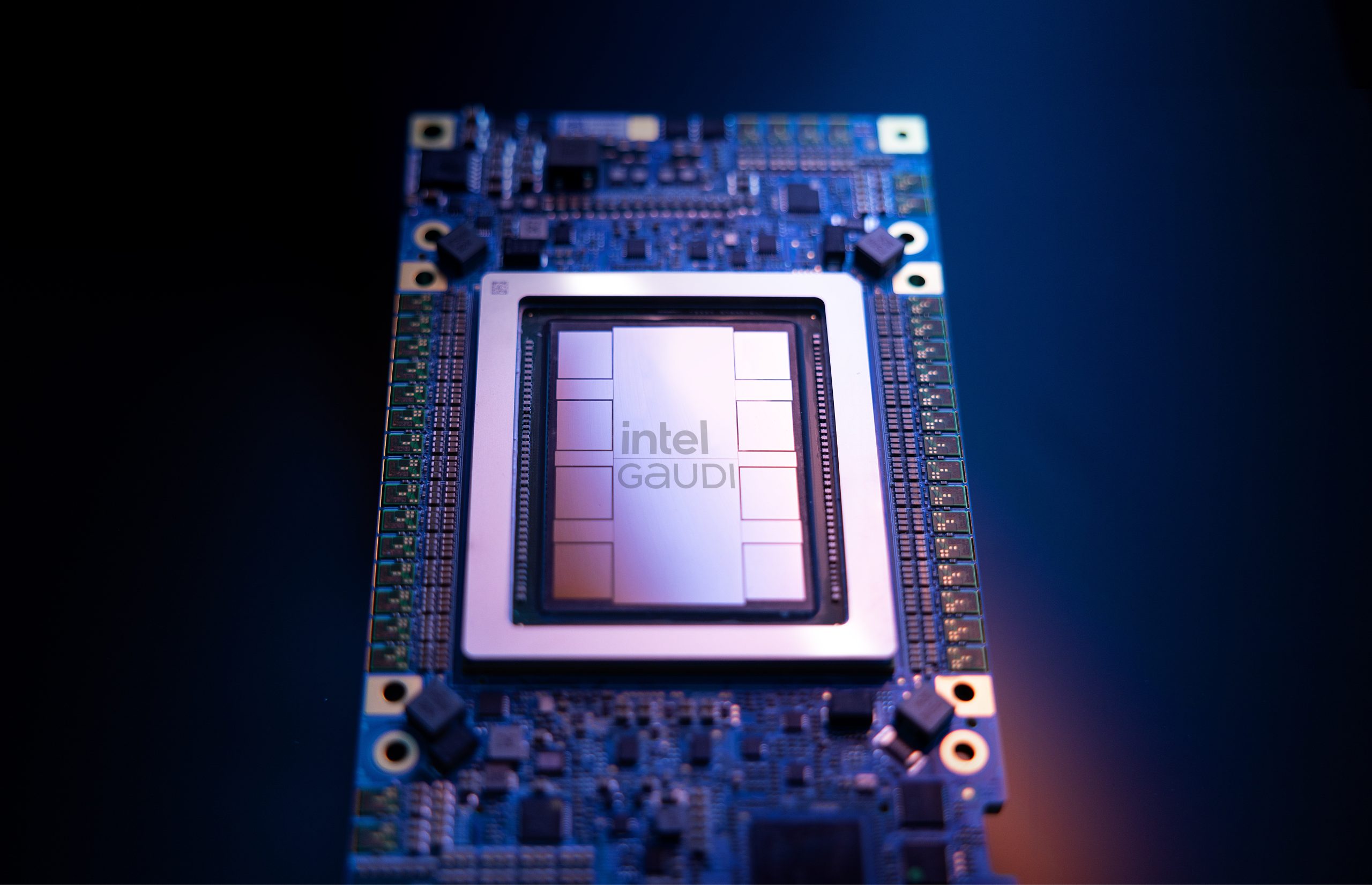
Intel’s Latest Move with Gaudi 3 AI Accelerators: A Bold Pricing Strategy
Intel is gearing up to make a substantial impact in the competitive AI industry with its next-generation Gaudi 3 AI accelerators. With a pricing strategy that undercuts its main competitors, Intel is positioning itself to be a more attractive option to the AI market, potentially drawing particular interest from Chinese consumers.
Significance of Intel’s Gaudi 3 AI Accelerators
Intel’s latest line of AI accelerators, the Gaudi 3 series, is making waves due to its competitive pricing. The AI industry, currently dominated by giants like NVIDIA and AMD, has seen Intel striving to gain a foothold, and with the Gaudi 3, the tech firm may have found a substantial leverage point. The pricing of these accelerators could be a game changer for Intel, as they seek to attract more users to their ecosystem.
The Competitive Pricing Edge of Gaudi 3
During a recent keynote by CEO Pat Gelsinger, Intel disclosed the cost of their Gaudi 3 accelerator kit, which encompasses eight units. With a collective pricing at approximately $125,000, the cost per unit comes to $15,625. This is a strategic price point, considering the nearest competitor, NVIDIA, prices their Blackwell B100 AI GPU at an expected $35,000. Notably, this is over twice the amount of Intel’s top-tier accelerator. Despite the preeminence and high demand of NVIDIA’s Blackwell offerings, Intel’s lower pricing has the potential to draw interest from budget-conscious consumers and enterprises.
Intel versus NVIDIA: More Than Just Pricing
Competitive pricing is just one piece of the puzzle. NVIDIA’s robust AI ecosystem, which encompasses cutting-edge CUDA libraries, Grace CPUs, and other unique assets, is a significant reason behind its strong market presence. Consumers don’t solely consider pricing but also the value and infrastructure that a comprehensive AI ecosystem provides. Intel recognizes this and is attempting to construct an ecosystem of its own around the Gaudi 3 AI accelerators. Their options range from a base of 8 accelerators to massive super-clusters that boast up to 8192 units, delivering tremendous performance and capacity.
Intel’s Strategic Opportunity in China
In the pursuit of increasing their market share, Intel has reconfirmed their commitment to the Chinese market. Despite challenges, the tech giant can leverage its strong ties with the US government and the cost-effectiveness of the Gaudi accelerators to make inroads in China—a market where NVIDIA currently enjoys dominance. While it is yet to be seen how Intel’s strategy will unfold in practice, the potential for reshaping the competitive landscape in China is an intriguing possibility.
As Intel continues to advance in the field of AI accelerators, the combination of aggressive pricing and a growing support ecosystem could very well make them a formidable competitor. This aggressive move in the AI hardware space is set to stir the market, inviting industry professionals and enterprise customers to reconsider their AI infrastructure investments. Whether Intel’s Gaudi 3 AI accelerators will disrupt NVIDIA’s stronghold in certain markets remains to be seen, but it’s clear that the battle for AI market share is intensifying.


