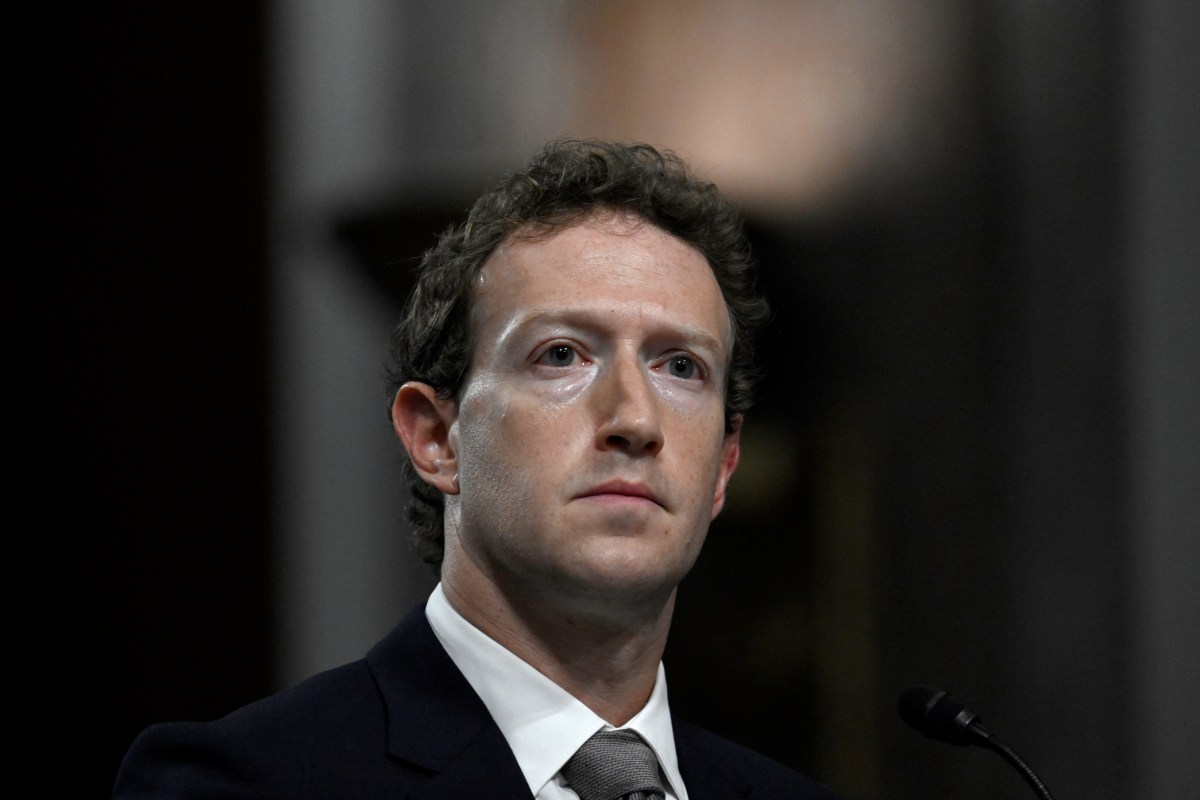
In a dramatic turn at Meta’s antitrust trial this week, CEO Mark Zuckerberg took the stand to discuss the impact of TikTok on his company. Zuckerberg revealed that when TikTok stormed into the scene in 2018, it wasn’t just another app to watch—it was a formidable competitor that necessitated immediate attention from Meta.
This revelation emerged during the U.S. Federal Trade Commission’s trial against Meta, a critical legal battle that could have significant consequences. Should the FTC succeed, Meta might face the prospect of spinning off Instagram or WhatsApp as independent entities.
Zuckerberg admitted that TikTok’s rapid rise led to an immediate and noticeable deceleration in Meta’s growth trajectory. Recognizing the app as a long-term threat, he confessed that TikTok has continuously been a top priority for Meta’s strategic efforts.
TikTok’s roots trace back to its merge with Musical.ly in 2017, effectively marking the beginning of its explosive growth. In response, Meta, which was rebranding from Facebook around that time, stopped isolating Facebook’s user statistics in favor of a comprehensive “family of apps” metric. This move sought to obscure the slowed growth in Facebook’s individual user numbers.
An intriguing moment from the trial occurred when Zuckerberg discussed the evolving dynamics of social media. He noted a shift away from platforms solely relying on personal connections as a growth strategy. Instead, he described these apps as “discovery engines,” where content is shared through various messaging platforms.
Despite this shift, Facebook seems keen on rediscovering its original charm. Recent feature updates aim to rekindle the personal connections that initially defined the platform. The newly enhanced Friends tab is part of this initiative, making it simpler for users to engage with friend requests and activities.
In a statement from January, Zuckerberg reiterated a commitment to this nostalgic transformation, emphasizing that recapturing the essence of “OG Facebook” is a primary objective for 2025. As the trial unfolds, it will be intriguing to see how these strategic priorities play into Meta’s defense and future direction.


