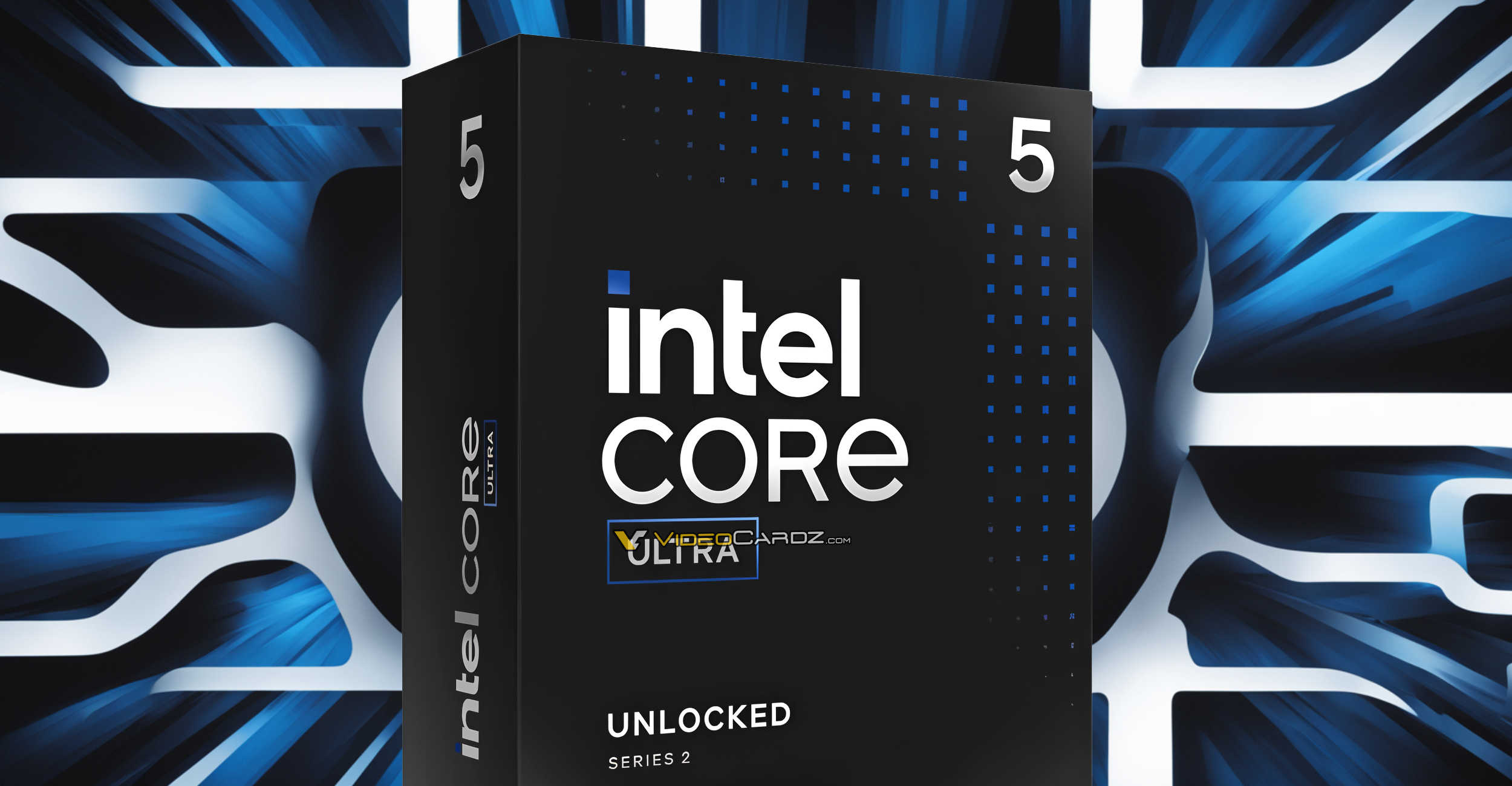
The highly anticipated Intel Core Ultra Series 2, codenamed Arrow Lake-S, is generating quite a buzz in tech circles. Among the new releases, the 20-core Ultra 7 265K is stealing the spotlight with impressive performance benchmarks. Confusing as the new naming scheme might be, this Core Ultra 7 model is not a direct successor to the earlier 14600K(F) series but instead steps into the shoes of the Core i7 lineup.
In recent testing, the 265K and its 265KF variant (the latter lacking integrated Arc graphics) show substantial improvements over their predecessor, the 14700K. Initially, these CPUs demonstrated a modest sub-10% performance boost. Now, they’re punching above their weight, nearing the prowess of Intel’s flagship Core Ultra 9 285K.
The tests were conducted on the ASUS TUF Gaming Z890 WIFI motherboard, furnished with 64GB of DDR5 memory. The Ultra 7 265K features a blend of 8 Performance Cores (P-Cores) and 12 Efficiency Cores (E-Cores), resulting in a total of 20 cores. These cores, while not hyperthreaded, still manage to outstrip the 14700K by an impressive 15% in both single-core and multi-core performance tests.
This significant leap in performance suggests that the CPU may be utilizing a non-standard power configuration but maintains Intel’s reference frequency of 5400 MHz. This indicates efficient usage of active cores without overclocking, enhancing the chip’s overall effectiveness.
The Core Ultra 7 265K’s benchmark results are promising, positioning it favorably against competitive models from AMD, like the Ryzen 9 9950X and Ryzen 7 9700X. As the official launch date of October 24th approaches, tech enthusiasts eagerly await more leaks and detailed specifications.
Interestingly, there has been no sign yet of the Core Ultra 5 245K(F) in the Geekbench database, leaving some mystery about how this mid-tier model will perform compared to its higher-tier siblings.
Keep an eye out for more updates as the launch date nears, promising to deliver powerful new options to the tech community. This new line of processors is set to redefine expectations and bring tangible enhancements to desktop performance.


