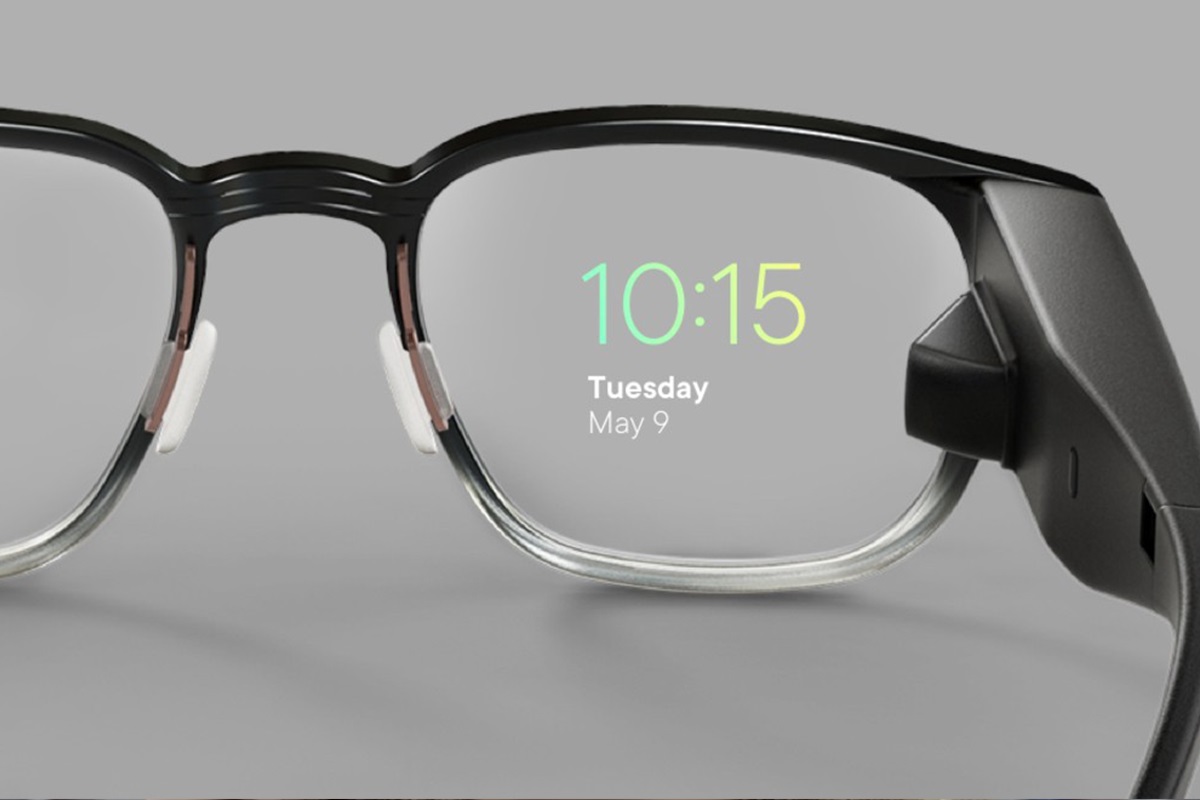
Apple is gearing up to revolutionize the wearable tech market, potentially aiming to launch a pair of smart glasses by 2027. However, before diving headfirst into this ambitious project, the tech giant plans to introduce a groundbreaking product that promises to pave the way. Enter the new generation of AirPods, expected to be equipped with AI capabilities and innovative camera modules.
Creating Apple’s smart glasses involves overcoming significant technological hurdles, the most daunting of which is achieving iPhone-level performance while consuming a mere fraction of the power. Apple CEO Tim Cook has acknowledged this challenge, admitting that while the goal is within sight, the current technology isn’t quite there yet.
To bridge this gap, Bloomberg’s Mark Gurman has suggested in his ‘Power On’ newsletter that the upcoming AirPods will play a crucial role. These new wireless earbuds are anticipated to feature cameras that deliver real-time information about the user’s surroundings, with AI lending a helping hand for seamless operation.
Industry analyst Ming-Chi Kuo of TF International Securities also supports this claim, predicting that AirPods with camera modules will enter mass production by 2026. These advanced earbuds are likely to offer an enhanced spatial audio experience, serving as a stepping stone toward more sophisticated wearable technology.
Despite the progress, Apple’s smart glasses remain a few years away. Challenges and delays could arise, potentially allowing competitors like Meta to gain an advantage. However, Gurman remains skeptical about such a scenario, pointing out that Meta’s own venture, codenamed Orion, is still in the prototype stage and years from being market-ready. Unlike some competitors, Apple has a track record of not overhyping products that aren’t on the cusp of mass production.
The race is on to see who will first deliver a commercially viable product with true utility. While Meta may have an early lead in transparency and future planning, Apple’s meticulous and strategic approach could ultimately result in a more refined and functional market entrant. As the wearable tech landscape evolves, consumers can look forward to exciting developments that could redefine the way we interact with the world around us.