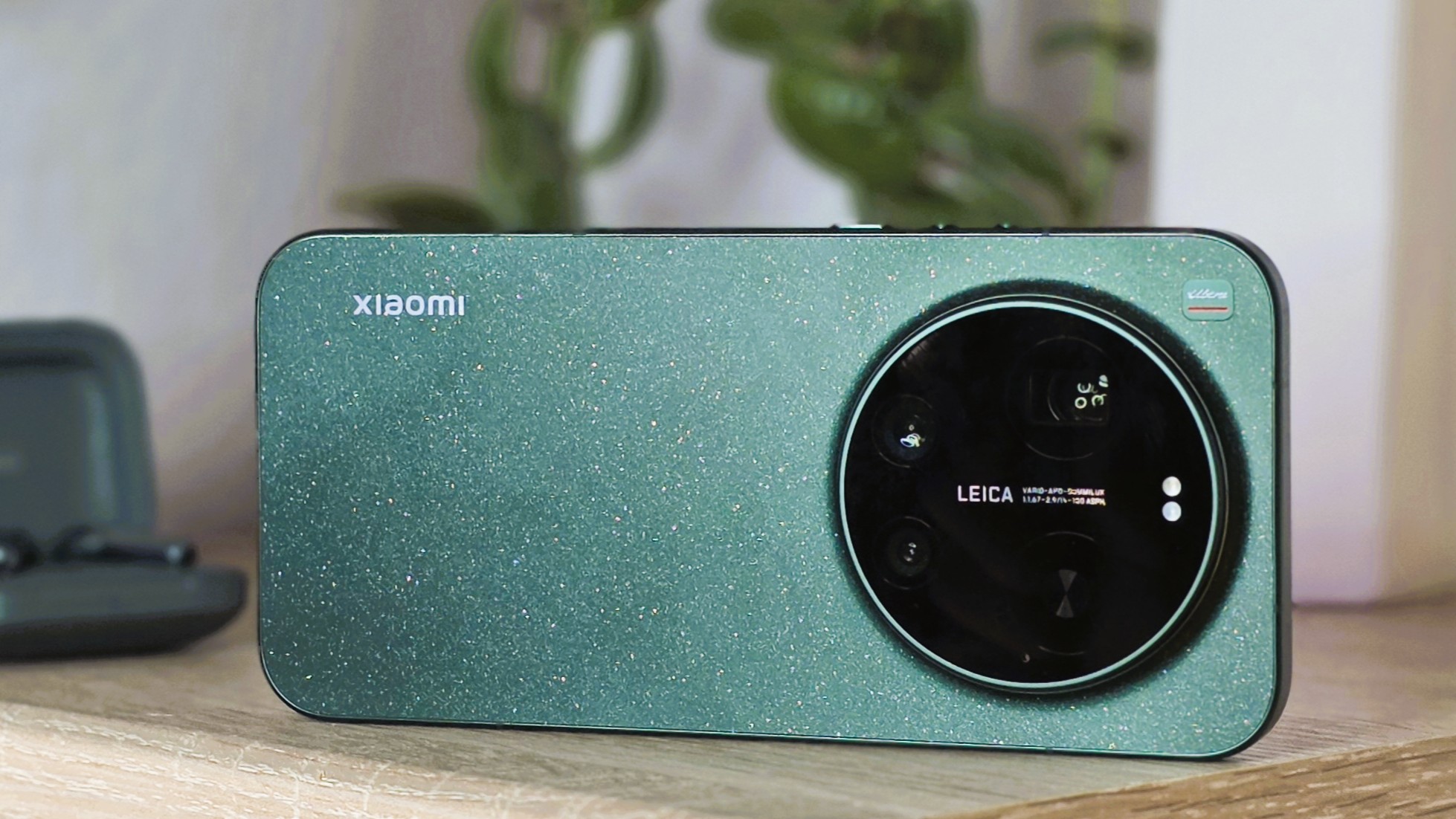
Importing the Xiaomi 17 Ultra can look like a tempting way to save money or get your hands on the phone sooner, but there are a few important trade-offs to understand before you choose the Chinese version.
The biggest drawback comes down to software. The Chinese Xiaomi 17 Ultra runs HyperOS with a China-focused setup, and unlike some competing imports that offer a broader language bundle, this model doesn’t include a full multi-language package. Outside of China, English is essentially the only usable system language, and you should still expect to see Chinese characters in parts of the interface and system apps.
Customization and “fixing it later” is also far harder than many buyers assume. With HyperOS, the bootloader isn’t easily unlocked, which means flashing an alternative firmware is no longer a simple solution. If you were hoping to import the phone and then swap to a different ROM to clean up the experience, that may not be a realistic plan for most users.
There are also feature limitations that matter depending on how you use your phone day to day. The Chinese Xiaomi 17 Ultra does not support eSIM, and it won’t work with Android Auto or WearOS. For drivers who rely on Android Auto for navigation and calling, or anyone using a WearOS smartwatch, these missing features can be deal breakers.
The good news is that network compatibility is far less of a concern. There are no stated restrictions on LTE and 5G frequency support, so the Xiaomi 17 Ultra should still work on mobile networks outside China—making it a viable option for international use from a connectivity standpoint.
One clear perk of the Chinese model is what you get in the box: it includes a power adapter. Since many global smartphone releases no longer bundle a charger, this can add real value and reduce the total cost of ownership—especially if you want fast charging without buying extra accessories.
Bottom line: the Chinese Xiaomi 17 Ultra can be a strong import choice if you prioritize hardware value, bundled accessories, and broad LTE/5G compatibility. But if you need eSIM, Android Auto, WearOS, an easier path to firmware changes, or a cleaner multi-language software experience, it’s worth thinking twice before importing.