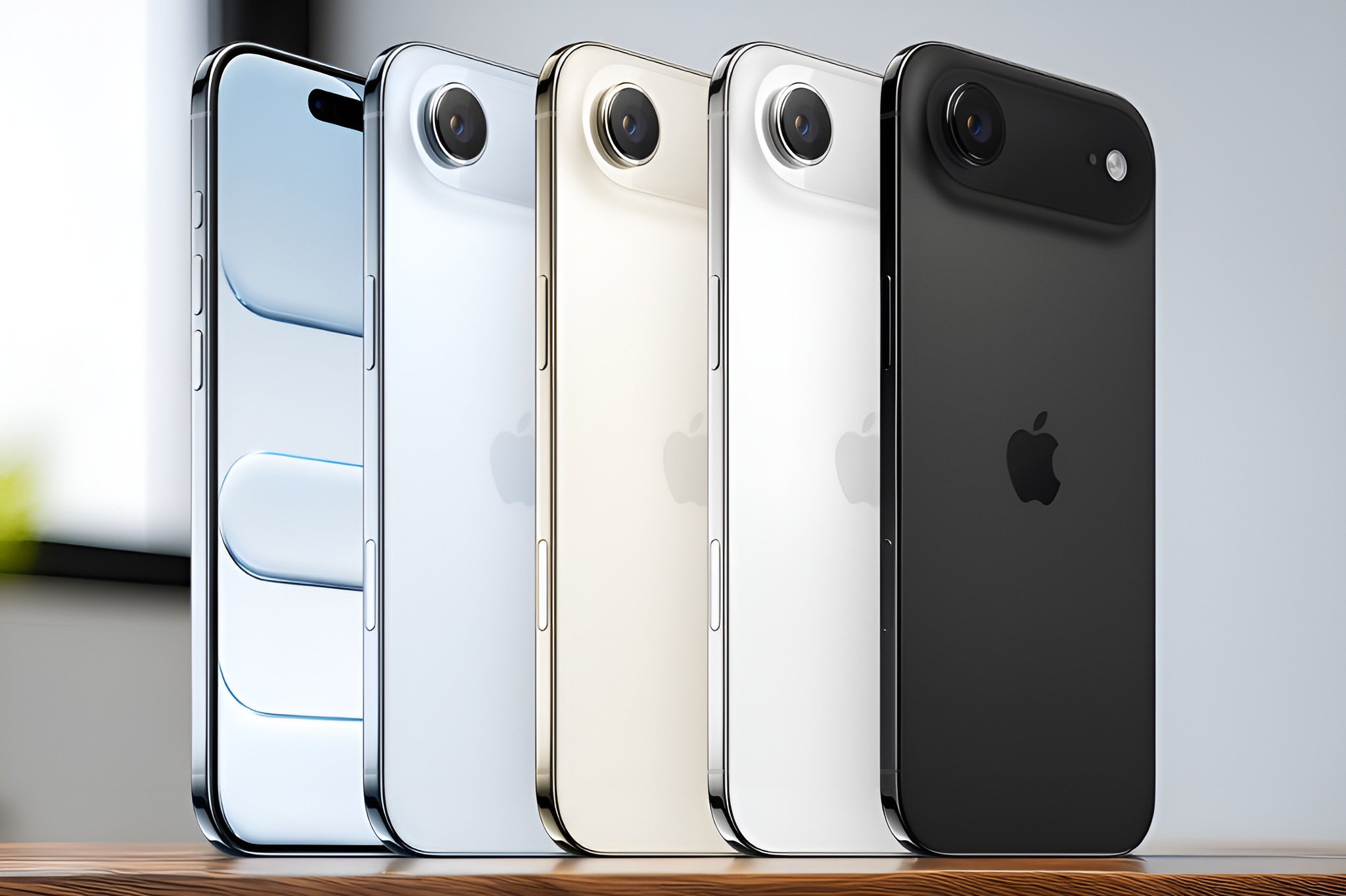
New sales numbers out of China are painting a clear picture: Apple’s ultra-thin iPhone Air isn’t coming close to matching the momentum of the iPhone 17 series.
A well-known tipster, Ice Universe, claims Apple has sold only about 200,000 units of the iPhone Air in China. Put next to the iPhone 17 lineup’s reported 17 million units sold in the same market, that’s a dramatic gap—roughly 1.1 percent of the iPhone 17 series’ sales volume.
What makes the situation even more surprising is that China was widely seen as a strong potential market for a sleek, ultra-slim iPhone. The iPhone Air also helped push broader interest in eSIM adoption in China, a region that had long been reluctant to embrace eSIM technology. Even with that tailwind, the iPhone Air appears to be struggling to break through with mainstream buyers.
Price cuts and subsidies haven’t been enough to change the story. Apple’s official online store presence on Tmall has reportedly offered discounts as high as 2,000 yuan (about $286), bringing the iPhone Air’s price down to around $788. On top of that, JD.com has reportedly stacked an additional subsidy of roughly $57, producing a combined reduction said to total around $415. For shoppers waiting for a deal, the iPhone Air has become noticeably more affordable—but the sales impact still looks limited.
Resale value trends also suggest demand may be softer than Apple hoped. Data indicates the iPhone Air has posted the steepest depreciation of any iPhone released since 2022, losing about 47.7 percent of its original value in the first 10 weeks after launch. That kind of drop often signals weaker secondhand demand, which can further influence new buyers who factor trade-in and resale value into their purchase decision.
Part of the challenge may come down to compromises made in the name of thinness. The iPhone Air is said to feature a reduced battery capacity, a single 48MP rear camera (with a telephoto-like “optical-quality” 2x zoom), and only one speaker. For many buyers, especially in a highly competitive smartphone market like China, those trade-offs can be hard to justify when flagship alternatives offer multi-camera arrays, bigger batteries, and richer audio.
Still, Apple may not view the iPhone Air as a failure—even if the early numbers look rough. Bloomberg’s Mark Gurman previously reported that Apple expected the iPhone Air to make up around 6 percent to 8 percent of annual iPhone sales, positioning it as a niche model rather than a mass-market blockbuster. The device also reportedly remains valuable internally as a testing ground for future technologies, suggesting Apple may be using the iPhone Air to experiment with new design and engineering approaches that could later influence mainstream iPhone models.
For now, the takeaway is straightforward: in China, the iPhone 17 series is dominating, while the iPhone Air is fighting for relevance—even with aggressive discounts, retail subsidies, and the appeal of an ultra-slim design.