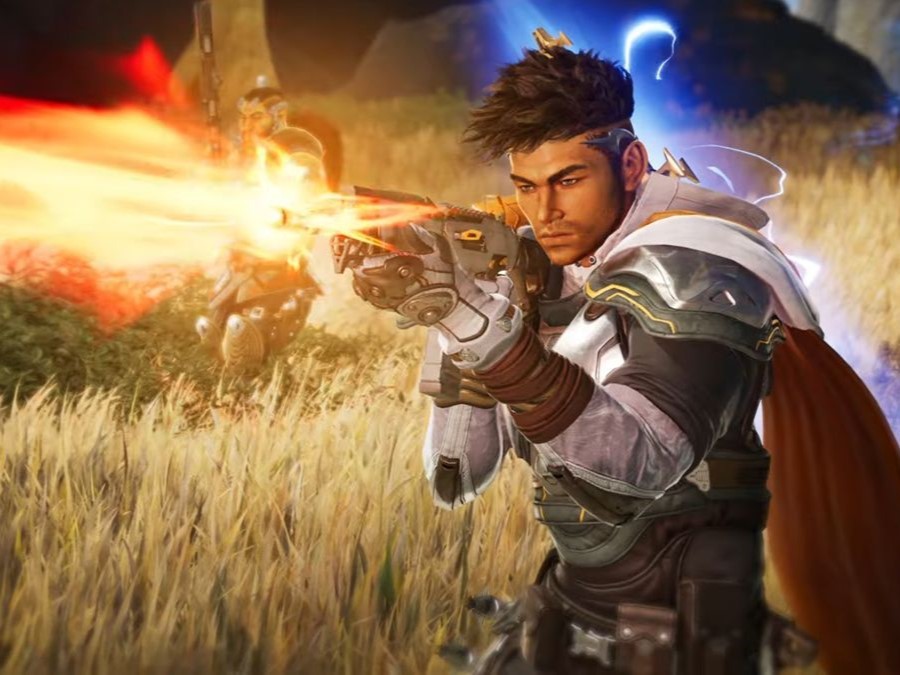
Highguard was supposed to be Wildlight Entertainment’s big breakout moment. The multiplayer shooter had real buzz heading into launch, helped by the fact that parts of the team had previously worked on major titles like Apex Legends and Titanfall. Early interest looked promising, too: the game opened with solid player numbers. But the drop-off was brutal. In less than a day, Highguard lost most of its player base and never regained momentum. Things reportedly escalated even further when news spread that Wildlight Entertainment had laid off the majority of its staff.
Now, former Lead Tech Artist Josh Sobel has weighed in on why Highguard collapsed so quickly, and his explanation focuses less on gameplay balance or server stability and more on the online culture that formed around the game before it even had a chance to find its footing.
In a lengthy post on X, Sobel described the lead-up to The Game Awards 2025 as one of the most exciting periods of his life. After more than two years of development, he says the team genuinely believed they were building something special. Internal feedback was strong, and the game also earned encouraging reactions from people outside the studio. In Sobel’s view, Highguard had the kind of mainstream potential that could have turned a new multiplayer release into a long-term success.
That optimism, he says, disappeared almost immediately after the reveal trailer went live.
Sobel claims the negative reaction hit fast, and he argues that content creator incentives played a major role in how the narrative formed. According to him, while creators sometimes get criticized for “too positive” preview coverage, negative takes often drive significantly more views, clicks, and engagement. He believes Highguard became an easy target for that kind of rage-driven content, and that within minutes of the reveal, the online conversation had already decided the game was “dead on arrival.”
He also described how social media engagement around the game turned toxic. Sobel says Highguard-related posts were heavily downvoted, and comment sections filled with repetitive meme-style phrases like “Concord 2” and “Titanfall 3 died for this.” In his telling, the flood of copy-paste insults didn’t just shape perception—it buried the game’s own marketing efforts and helped lock in a negative reputation before many people had even played it.
Sobel adds that the backlash became personal. He says harassment aimed at him online grew intense enough that he made his account private to protect his mental health. He also claims that this move led to additional mockery from some creators, which brought even more unwanted attention and piled on further stress.
To be clear, Sobel doesn’t deny Highguard had flaws. He acknowledges there were legitimate problems and that constructive criticism was fair. Where he draws the line is at what he describes as a rush to label the game a failure before it could improve, stabilize, and develop a real community—something live-service and multiplayer games often need time to do.
One of his biggest points involves reviews. Sobel alleges that Highguard was hit by a wave of review bombing at launch, including a large number of negative ratings from accounts with very little playtime. He specifically claims the game received more than 14,000 review bombs from users who played less than an hour, with many not even finishing the required tutorial. If accurate, that kind of review pattern can severely damage a new multiplayer game’s visibility and long-term player growth, especially during the crucial launch window when interest is at its highest.
Beyond Highguard’s own fate, Sobel warns that this situation could have wider consequences for the industry—particularly for independent studios trying to compete in the crowded multiplayer market. In his view, if online dogpiling and engagement-driven negativity keep determining the public narrative so quickly, fewer smaller teams will be willing to take the risk of making multiplayer games without the resources and protection that come with a large corporate publisher.
Whether players agree with Sobel’s assessment or feel Highguard’s problems were more fundamental, his comments highlight a growing tension in modern game launches: perception can harden instantly, and once a game is branded as a joke, it can be nearly impossible to recover—no matter how much work the developers put in after release.


