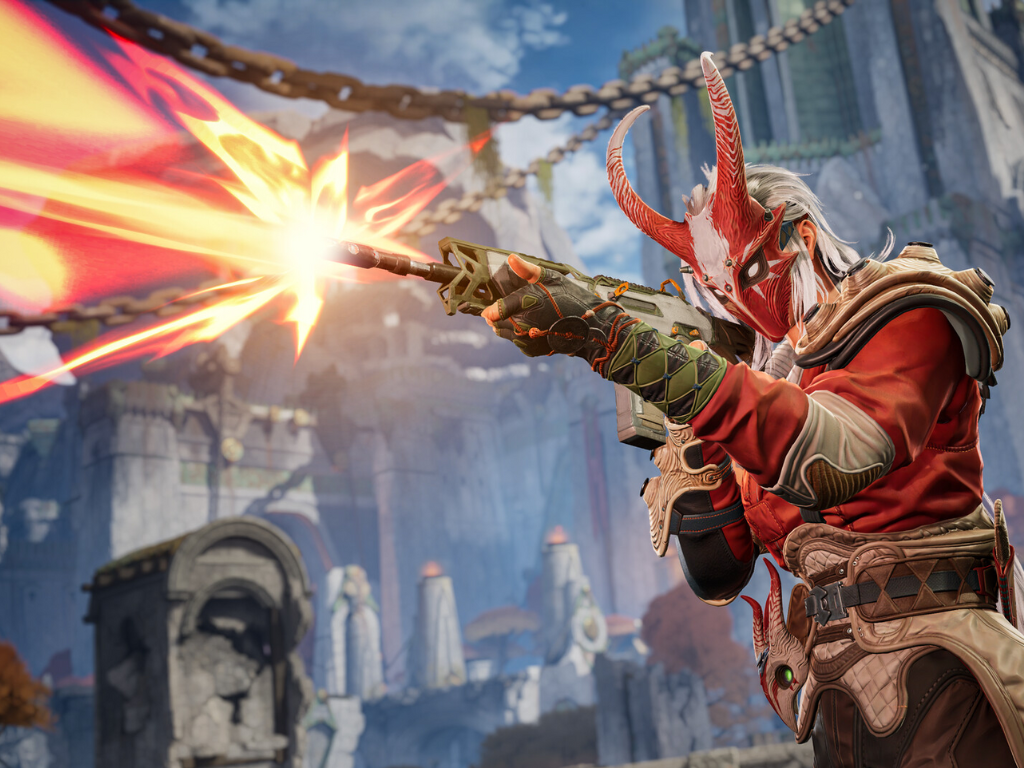
Highguard just launched on Steam on January 26, 2026, and it wasted no time becoming one of the platform’s biggest new draws. The free-to-play online shooter surged to a peak of 97,249 concurrent players within its first day, powered by curiosity and the pedigree behind it: Wildlight Entertainment, a studio founded by lead designers associated with Titanfall and Apex Legends.
But the honeymoon period has been rough. Highguard is currently sitting under a crushing wave of feedback—around 16,500 user reviews—with roughly 71% landing on the negative side. For a brand-new multiplayer release, that combination of huge player interest and “Mostly Negative” reception is a red flag that something isn’t matching expectations.
So what is Highguard trying to be? The developers describe it as a “PvP Raid Shooter,” built around tight team competition but with bigger objectives than a standard arena match. It uses a 3v3 format and blends hero-style abilities with base assault ideas more commonly found in MOBA-inspired modes. Players step into the role of a “Warden,” described as an arcane gunslinger, and each match begins with a key decision: choosing a literal castle to defend and fortify.
From there, the match unfolds in four phases designed to escalate from preparation to all-out siege. You get a short window to reinforce your defenses, then you ride mounts across a large map to loot stronger gear. The action then pivots around fighting for a special objective, the Shieldbreaker sword. Secure it, and the finale kicks in: a siege tower is summoned, bombs come into play, and your team races to destroy the enemy’s power generators before they can defuse your charges.
On paper, that structure sounds like a refreshing twist on PvP shooters—strategy, mobility, and a clear endgame. In practice, many early players say the pacing collapses under its own weight. A major criticism is that the maps feel far too large for 3v3, which turns long stretches of the match into travel time rather than combat. Reviewers describe extended periods of riding without seeing opponents, which makes the loop feel slow and, for some, outright dull.
The other major pain point is performance. Players report severe optimization issues, including unstable frame rates even on high-end graphics cards, plus heavy reliance on upscaling that leaves the image looking blurry and unfinished. For a competitive online shooter—where clarity and responsiveness are everything—those problems can instantly sour first impressions.
There’s also controversy around the game’s anti-cheat setup, which includes a secure boot requirement. That single hurdle has reportedly stopped a portion of potential players before they can even get into a match, adding frustration on top of the tech complaints.
Some of the backlash may also be amplified by inflated expectations. Highguard appeared in a highly visible “one more thing” showcase slot at The Game Awards 2025, which put a massive spotlight on it. Since then, critics and players have pointed to confusing marketing and unclear first impressions, arguing that the initial reveal didn’t communicate the gameplay loop effectively. Wildlight Entertainment CEO Dusty Welch has reportedly acknowledged that the original trailer didn’t do a great job of showing how the game actually plays.
Right now, Highguard is in a familiar but urgent spot for new live-service PvP games: it has attention and a big opening-day population, but it needs rapid improvements to performance and pacing if it wants that player count to stick. If the studio can optimize the experience, tighten the flow of matches, and address access barriers like the secure boot requirement, Highguard still has a chance to turn those early curious clicks into a committed community. If not, the concern is that the Steam rating—and the player numbers—could slide in the same direction.