Highguard is already being compared to one of the biggest recent cautionary tales in multiplayer shooters: Concord. Concord was a sci-fi, multiplayer FPS hero shooter from Firewalk Studios built around character-based PvP combat. From the moment it was revealed, the reception was rough, and the situation only worsened after launch. The game shut down just two weeks later, and the studio closed not long after. For many players, Concord became the modern shorthand for a blockbuster multiplayer flop.
On January 26, a potential new contender entered the conversation: Highguard.
The game arrived with major stage presence and big promises. Highguard was positioned as the final “big” reveal at a major awards show, with presenter Geoff Keighley framing it as the next project from Wildlight Entertainment, Inc., spotlighting talent tied to Apex Legends and Titanfall. The messaging was ambitious, too—talk of “pushing the shooter genre forward” and delivering something fresh. Right before release, Keighley even amplified the hype with a meme-like post suggesting people would soon be “accepting your apologies,” a nod to skeptics who felt they could already see where things were headed.
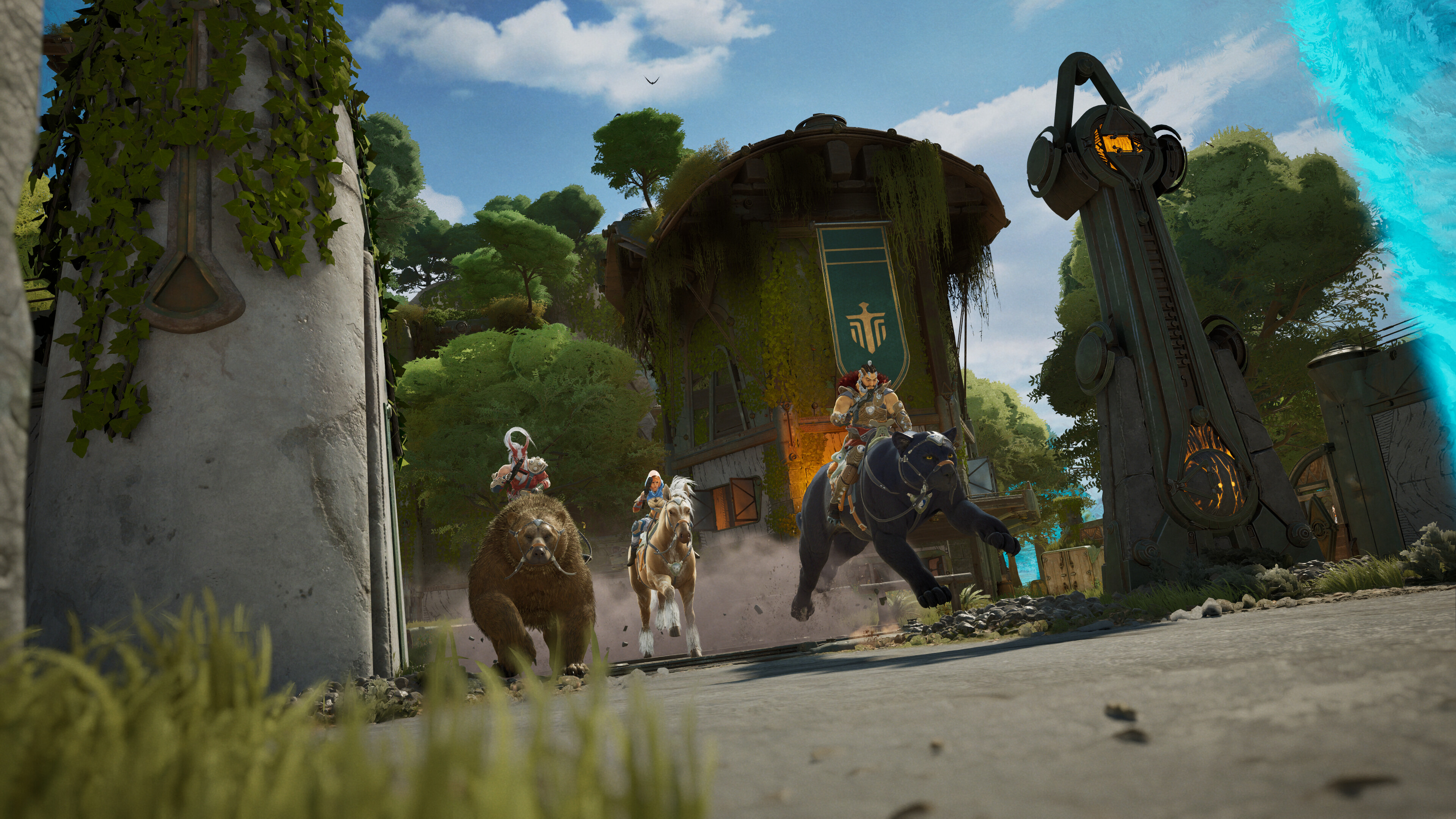
So what is Highguard? It’s a free-to-play hero shooter that focuses on 3v3 battles with a Paladin-like, MOBA-style structure—team compositions, role-driven play, and ability-focused combat. It launched on Steam on January 26 and initially pulled in strong interest, hitting a peak player count of 97,249. The problem is what happened next: the numbers dropped fast. The latest 24-hour peak is down to 12,748, and the current count at the time of writing sits around 7,195, with the trend continuing downward.
That decline wouldn’t be a guaranteed death sentence on its own—free-to-play games can spike and settle—but player feedback has been harsh. Highguard is currently sitting at a Mostly Negative rating on Steam, with more than 28,000 reviews. Complaints range from poor performance to dissatisfaction with the core gameplay loop. One review from a player with over 12 hours described it as “another mid-AAA graphic-focused shooter that doesn’t know what it’s trying to be,” echoing a broader feeling that the final product doesn’t match the way it was marketed.
A major sticking point for many players is the gap between expectation and reality. Because Highguard was introduced as a showstopper reveal, it naturally carried “big game” expectations. When the gameplay didn’t feel like a breakthrough—or even particularly distinctive—some of that disappointment quickly turned into frustration.
Commentators also piled on. YouTuber Legendary Drops called it “the most aggressively generic reveal we saw the entire night,” while others criticized the roster’s visual identity. One recurring argument is that hero shooters live and die by character appeal: if players don’t connect with the look, personality, or fantasy of the roles, they won’t stick around long enough to master them. Asmongold highlighted similar concerns while reacting to comparisons between Highguard and Concord, questioning why players would commit if the characters and roles don’t feel exciting to inhabit.
The early performance also looks worse when compared to successful competitors in the hero shooter space. Marvel Rivals, for example, posted an all-time peak of 644,269 a week after launch and still holds strong numbers, with a current count around 80,290. Highguard doesn’t have a famous brand behind it, but being free-to-play should, in theory, help retention. Instead, the rapid drop suggests the game isn’t converting curiosity into long-term engagement.
It’s still early, and weekends often provide a clearer picture of how a new multiplayer release will stabilize. But based on the quick falloff in player count, the negative review trend, and the harsh “generic” reputation forming around it, many players believe Highguard may be heading toward the same kind of grim narrative that followed Concord—an overhyped hero shooter struggling to justify its place in an already crowded genre. Whether this is a temporary stumble or “the writing on the wall” moment will depend on what happens next, but the first signals are hard to ignore.