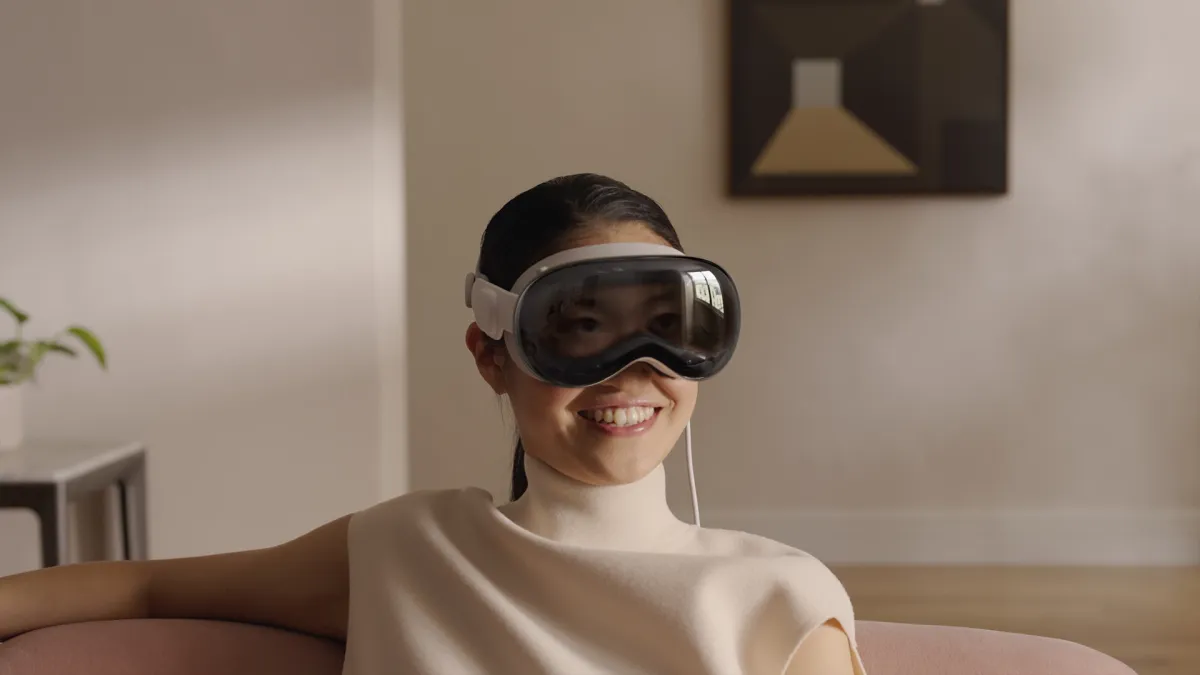
After nearly two years of waiting, YouTube has finally released a dedicated Apple Vision Pro app, giving visionOS users a proper way to watch videos without relying on a browser.
When Apple’s headset first arrived, YouTube chose not to build a native app and instead pushed viewers toward a web-based experience through Safari. That workaround did the job for basic viewing, but it also meant missing practical features many people expect from the YouTube experience—especially offline downloads, which are essential for flights, commuting, and any situation where Wi‑Fi isn’t reliable.
In the meantime, the demand for a true YouTube app on Apple Vision Pro led to temporary third-party alternatives. Some of those options surfaced briefly on visionOS, only to be removed after running into YouTube’s Terms of Service. Now, YouTube itself is stepping in with an official solution.
With the new app, Apple Vision Pro owners can watch standard YouTube videos and YouTube Shorts on a huge, theater-style virtual screen designed for immersive viewing. The experience is tailored to the headset, offering a more comfortable, living-room-size vibe than watching through a traditional mobile or desktop layout.
One of the most notable additions is a Spatial tab built to help users discover spatial content, including 3D video formats, VR180, and 360-degree videos. That’s a major step for creators and viewers interested in more immersive media, especially as spatial and VR-style content continues to grow.
There’s also a performance boost for users with newer Apple Vision Pro models powered by the M5 chip. On those devices, the YouTube app supports 8K playback, adding sharper detail and higher-quality viewing for compatible content.
Navigation is designed around visionOS interaction as well. Users can control the app with gestures, including resizing the viewing window or scrubbing through a video timeline without needing traditional touch controls.
The timing is notable. YouTube originally held back on building a dedicated visionOS experience, possibly waiting to see how much momentum the Apple Vision Pro would gain. Meanwhile, many major streaming platforms delivered native apps for the headset early on, giving users polished alternatives from day one.
What makes this launch even more interesting is that interest in the headset appears to have cooled compared to its early spotlight. Even with Apple Intelligence-powered features introduced nearly a year ago, engagement has reportedly been mixed. Estimates suggest sales dropped sharply, with around 45,000 new units shipped in Q4 2025. Reports also indicate production was halted due to weak demand, alongside reduced marketing activity in key regions.
Still, for current owners—and for anyone considering the headset—YouTube’s official arrival removes one of the biggest missing pieces from the platform’s entertainment lineup.
The YouTube app is available now in the visionOS App Store, and it works on Apple Vision Pro models using both the M2 and M5 chips.


